Falklands War Influence on World Cup Referee Choices Explored
World Cup Referees and Politics
At the 2026 World Cup, discussions have extended beyond players to focus sharply on referees, their decisions, and how they are selected. The controversy grew after an all-Argentine officiating team was assigned to oversee France’s 2-0 quarter-final victory over Morocco.
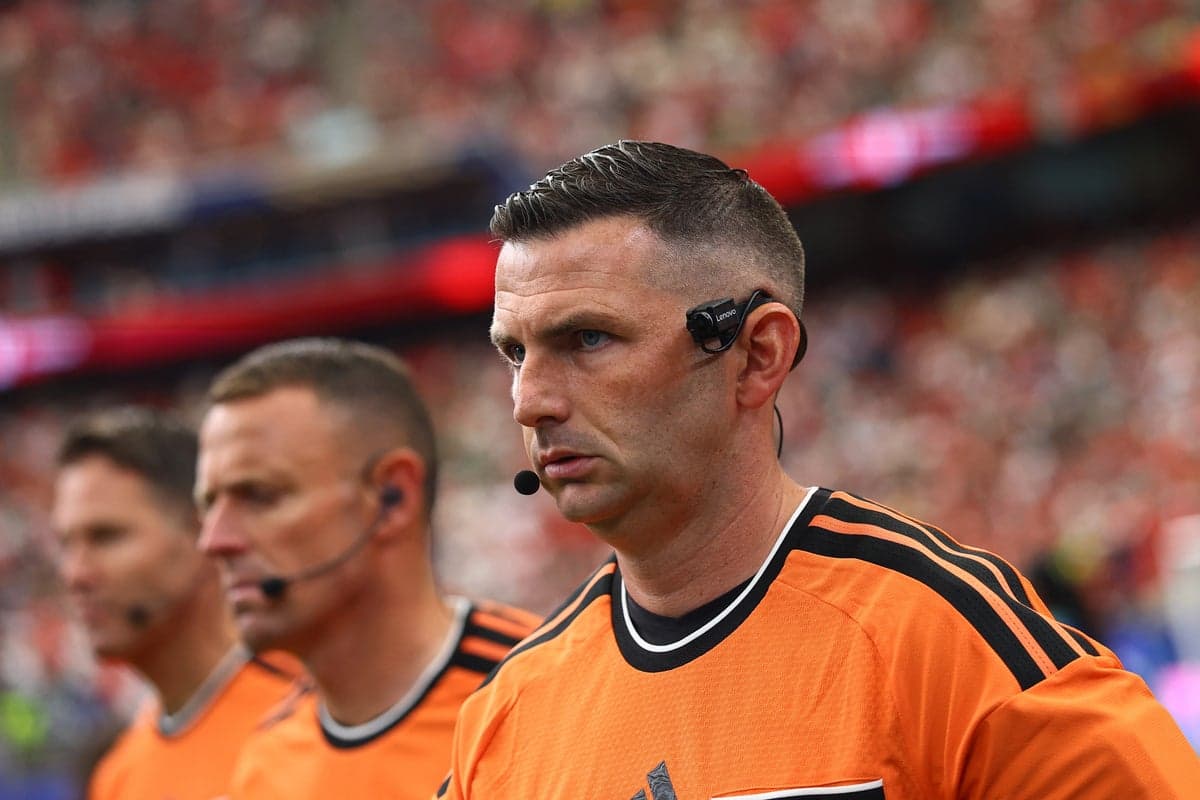
Fans expressed surprise online, especially since France might face Argentina in a final rematch of the 2022 championship. Fifa revealed that English referees Anthony Taylor and Michael Oliver were barred from handling Argentina's matches because of the lingering impact of the Falklands War that happened 44 years ago.
How Does Fifa Choose Referees?
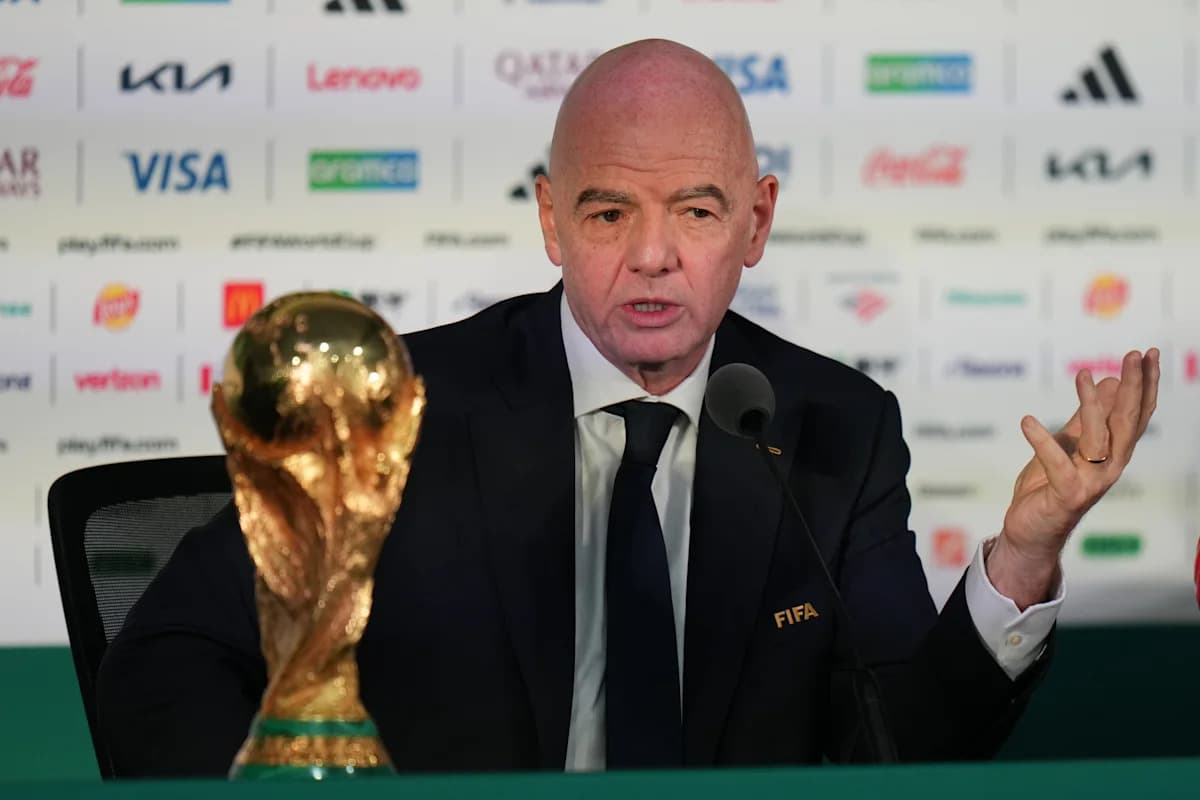
Referee selection largely depends on consistent performance and teamwork with assistant referees. This process spans several years and is overseen by the Fifa Referees Committee, led by Pierluigi Collina, who is widely regarded as one of the greatest referees ever.
Referees must demonstrate good form and accurate decisions. Yet, politics also plays a role. No official can oversee matches involving their own country, and they will avoid games that could directly affect their nation's progression.
For instance, English referees won’t be appointed to games like Panama vs Croatia, or Argentina vs Switzerland when the winner might face England later. Despite this, officials sometimes manage matches where potential opponents come from the same nation, as seen when an all-Argentine crew officiated the France-Morocco game.
Neutrality and Geopolitics
Fifa prefers referees from neutral confederations to avoid bias. When teams from different continents face off, a referee from a third confederation is often chosen. But if two European teams meet, a European referee remains a suitable choice, such as Michael Oliver for Spain vs Belgium.
Geopolitical tensions also influence assignments. For example, American referees were not placed in matches involving Iran due to ongoing hostilities between those countries. Fifa aims to apply common sense, adapting to sensitive political contexts, making referee appointments a flexible process.
Falklands War Still Matters
A Fifa spokesperson confirmed that the 1982 Falklands War influences referee appointments. English referees cannot officiate Argentina matches or any game that might immediately affect Argentina’s tournament path, and vice versa. This restriction lowers the chances that English officials like Oliver or Taylor will oversee the final, since England and Argentina share the same half of the bracket.
The war remains politically charged, highlighted when Argentine players sang "Muchachos," referencing the "Malvinas" (the islands' Argentine name) after their victory over Egypt.
Conflicts older than that, such as World War II, don’t impact referee choices. For example, German referees may still handle England matches.
Exceptions to the Rules
There have been instances defying current guidelines. In 2006, Argentine referee Horacio Elizondo managed England’s quarter-final loss to Portugal, a match remembered for Wayne Rooney’s controversial red card. Fifa has not clarified why today's policies regarding the Falklands War were not applied back then.