Enzo Maresca's Challenge: Closing the Gap to Arsenal
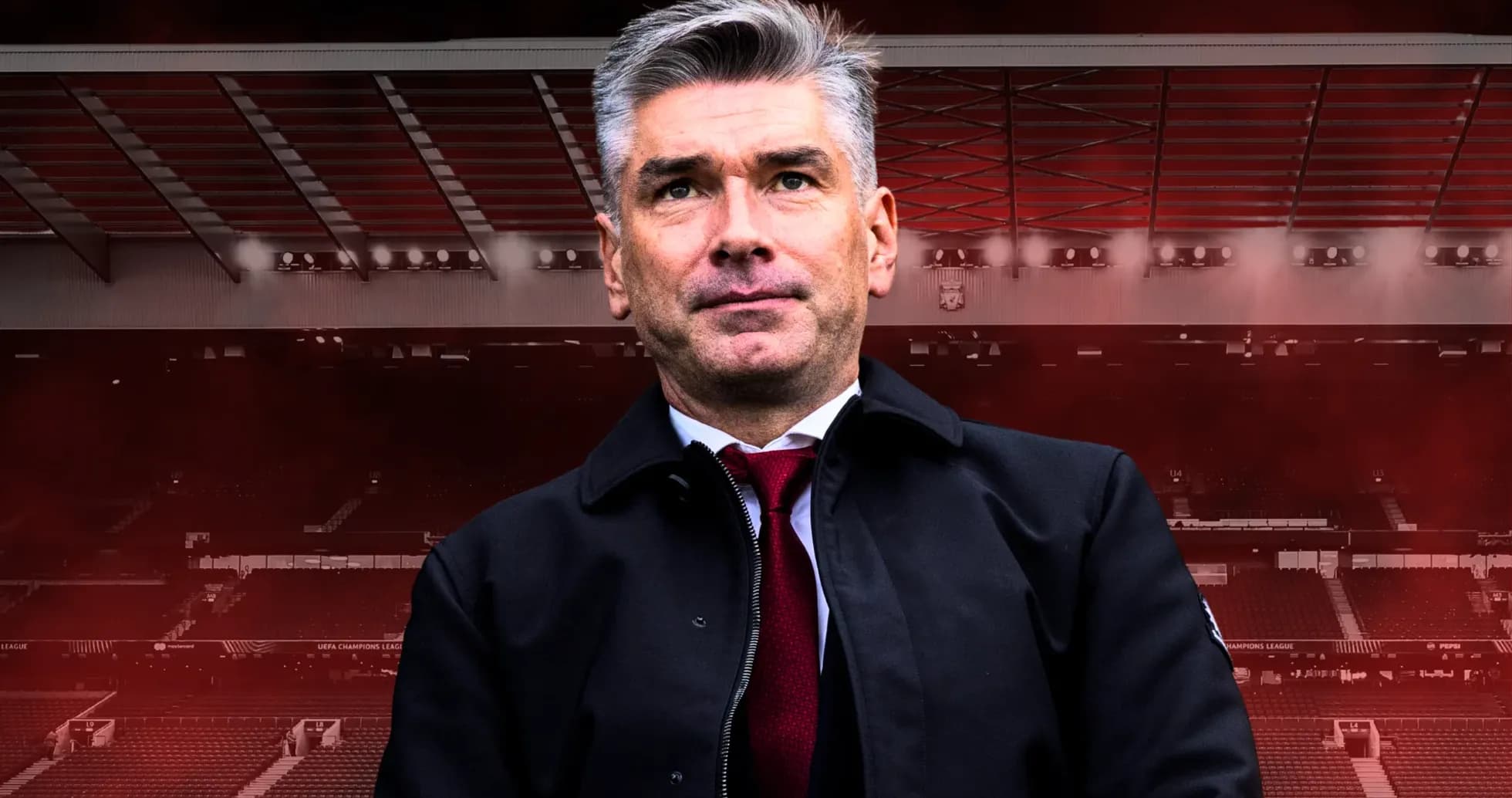
Enzo Maresca arrived at Wembley talking about “closing the gap” to Arsenal. Ninety minutes later, the gulf looked wider than ever.
Manchester City’s 3-0 defeat in the Community Shield was not just a bad day at the office. It was a tactical undressing. The champions were picked apart straight through their spine, exposed in every department Maresca insists will define his new era.
Arsenal did not just win; they underlined where City are short: disorganised at the back, incoherent in midfield, and strangely leaderless.
A plan without the pieces
Maresca tried to sound calm afterwards. City, he said, “have it quite clear what we need to do” in the transfer market, promising movement before the window shuts. Hours later came confirmation that Rodri is heading to Barcelona.
That was not the kind of movement he meant.
City’s hierarchy trust Maresca enough that a Community Shield defeat will not set off alarms on its own. But the manner of it demands a hard look at the project. Does he actually have the players to run the system he wants? On Sunday’s evidence, the answer is no.
His side had the ball, plenty of it. They played 200 more passes in the opposition half than Arsenal. It sounded like control. It never felt like it. Arsenal carved out four big chances from open play; City mustered one, which Erling Haaland wasted.
For a team loaded with creators and finishers, that is a damning return.
Disconnected and easy to play against
The more City tried to impose themselves, the more disjointed they looked. Units moved in isolation. Arsenal picked them off.
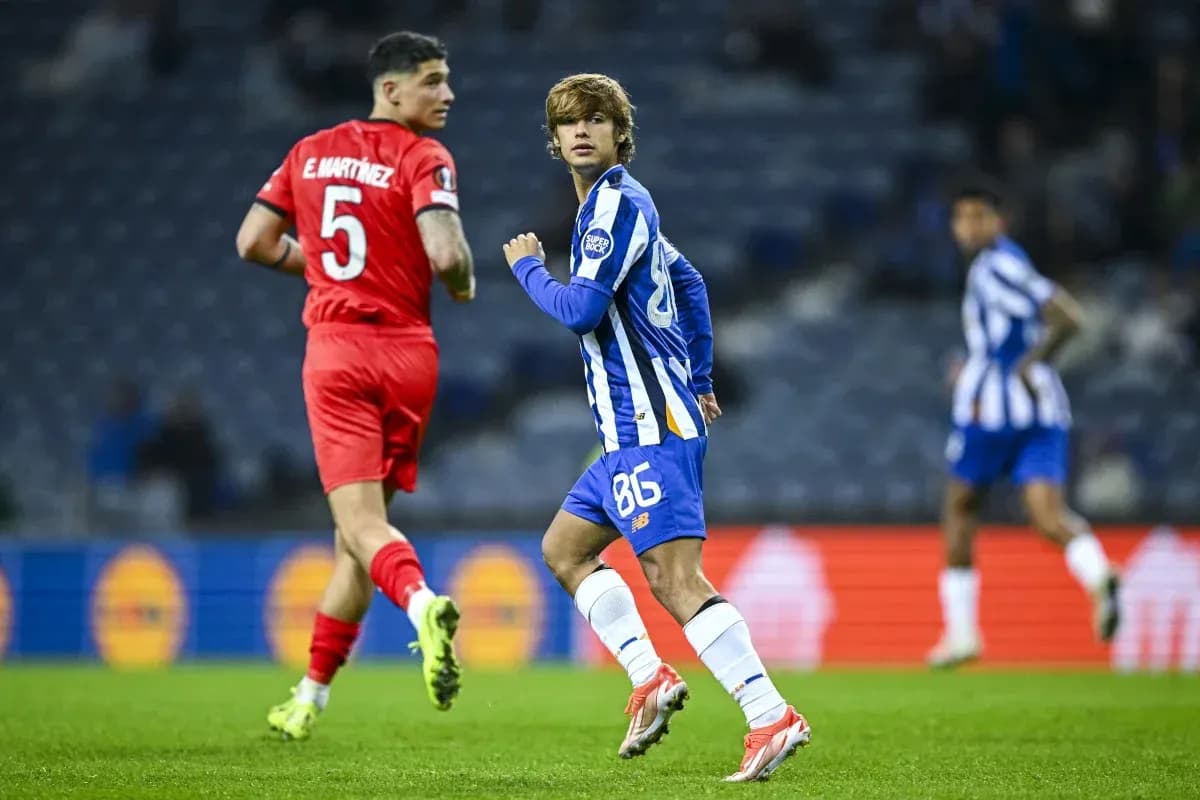
Mateo Kovacic, tasked as the central rotator, never really knitted anything together. Nico O’Reilly, stepping into midfield to form the 3-2 structure Maresca wants in build-up, only succeeded in leaving huge gaps behind him.
Those spaces became a playground for Noni Madueke. At times Ben White was operating like an auxiliary winger, such was the freedom down that side. O’Reilly, 21 and talented, has the tools to grow into a hybrid role, but on this stage he was overrun by Arsenal’s midfield enforcers. He is not Bernardo Silva. He is certainly not Rodri.
The context offers some mitigation. O’Reilly, Elliot Anderson and Haaland had only just returned from post-World Cup breaks. None looked sharp. None were especially effective. Their rust, though, is a footnote compared to the structural issues Maresca must fix.
A high line, and an open invitation
When Arsenal did commit numbers, City’s defensive shape veered towards reckless. The line was high, the press passive. No one engaged the ball. The space in behind screamed to be used.
Martin Odegaard did not need a second invitation. With time and room to survey, he clipped a measured cross to Christos Tzolis, who cushioned it perfectly for Kai Havertz to finish. It looked simple because City made it simple.
This is not a new criticism of Maresca. At Chelsea he faced the same accusation: a high line without coordinated pressure is not bravery, it is an accident waiting to happen in the Premier League.
Midfield lightweights and a transfer puzzle
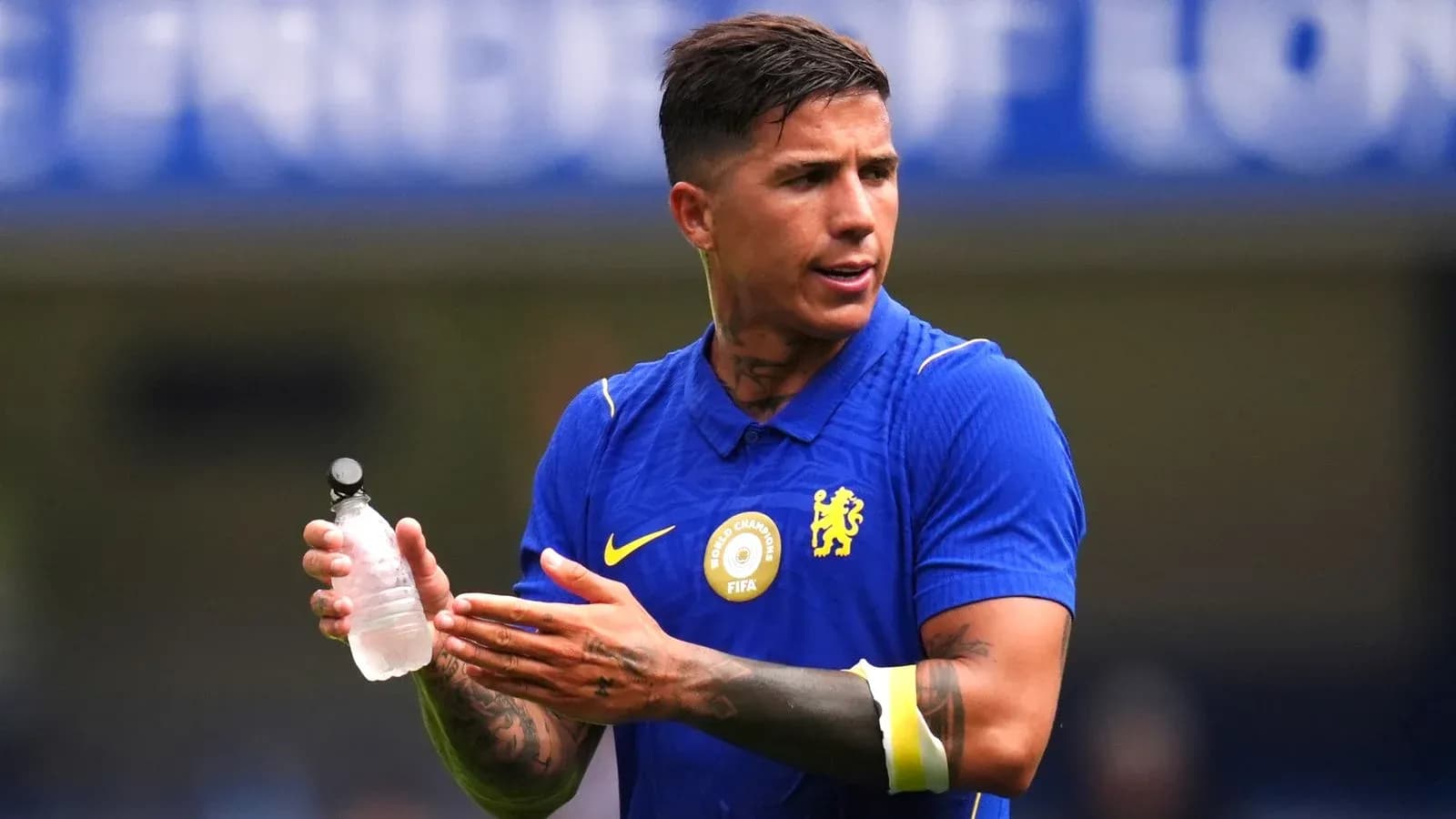
Between now and the 1 September deadline, City have serious work to do. Enzo Fernandez remains a live target, though he arrives with baggage. He splits opinion, was booed by sections of his own support at the weekend, yet built a strong working relationship with Maresca at Chelsea.
He is not a Rodri replacement. No one is.
What Fernandez does bring is exactly what City’s midfield lacked at Wembley: goals and guile. He is combative, sometimes too much so, but City badly need presence in that zone. On Sunday they were so flimsy that Arsenal controlled the middle third almost unchallenged.
The situation is complicated by departures. Tijjani Reijnders is set to move on, stripping away another option and heaping pressure on young shoulders. Anderson is 23. Key target Ayyoub Bouaddi is just 18. Kovacic, at 32, is on the far side of his peak.
Where is the balance in that mix?
Time, but not endless
Some of this, of course, is rust. This was game one, a curtain-raiser rather than a defining occasion. Haaland will sharpen. Anderson will grow into the role of anchoring midfield with guidance. The back four, oddly shaped and uncertain, should tighten as they absorb the pressing distances and triggers Maresca demands.
And City will not face Arsenal every week.
Even so, Sunday stripped away any illusions about where this team stands. The gap Maresca spoke about is not closing. On this evidence, it is stretching.
He has three and a half months to reshape, recruit and recalibrate before the next meeting with Arsenal in late November. The warning has come early, and that might be his biggest blessing: a brutal but timely snapshot of what must change.
Now he has to act on it.