England's World Cup Build-Up: Supercomputer Insights and Phil Neville's Role
England’s World Cup build-up has taken one of those strange turns only international tournaments seem to produce. On the surface, the headlines scream about a “shock role” for Phil Neville and a supposed national crisis of confidence. Underneath, the reality is far calmer, more calculated – and occasionally absurd.
England, the ‘warning’ and the supercomputer
Somewhere inside The Sun’s offices, a “supercomputer” has spat out its verdict on England’s chances. The machine places Gareth Southgate’s side as third favourites behind Spain and France, handing them an 11.3% probability of lifting the World Cup.
In other words: they’re one of the leading contenders. The numbers broadly match what bookmakers are offering. That’s usually the point where most fanbases feel quietly optimistic.
Instead, the framing is apocalyptic. England fans are “warned” that the country’s long wait for an international trophy “may not end this summer”, as if the revelation that not every nation in a 48‑team tournament can win it is some kind of brutal twist.
The data suggests England are in the conversation. The coverage suggests they should brace for disaster. The gap between the two says more about the noise around this team than the team itself.
Phil Neville’s ‘shock role’ that wasn’t
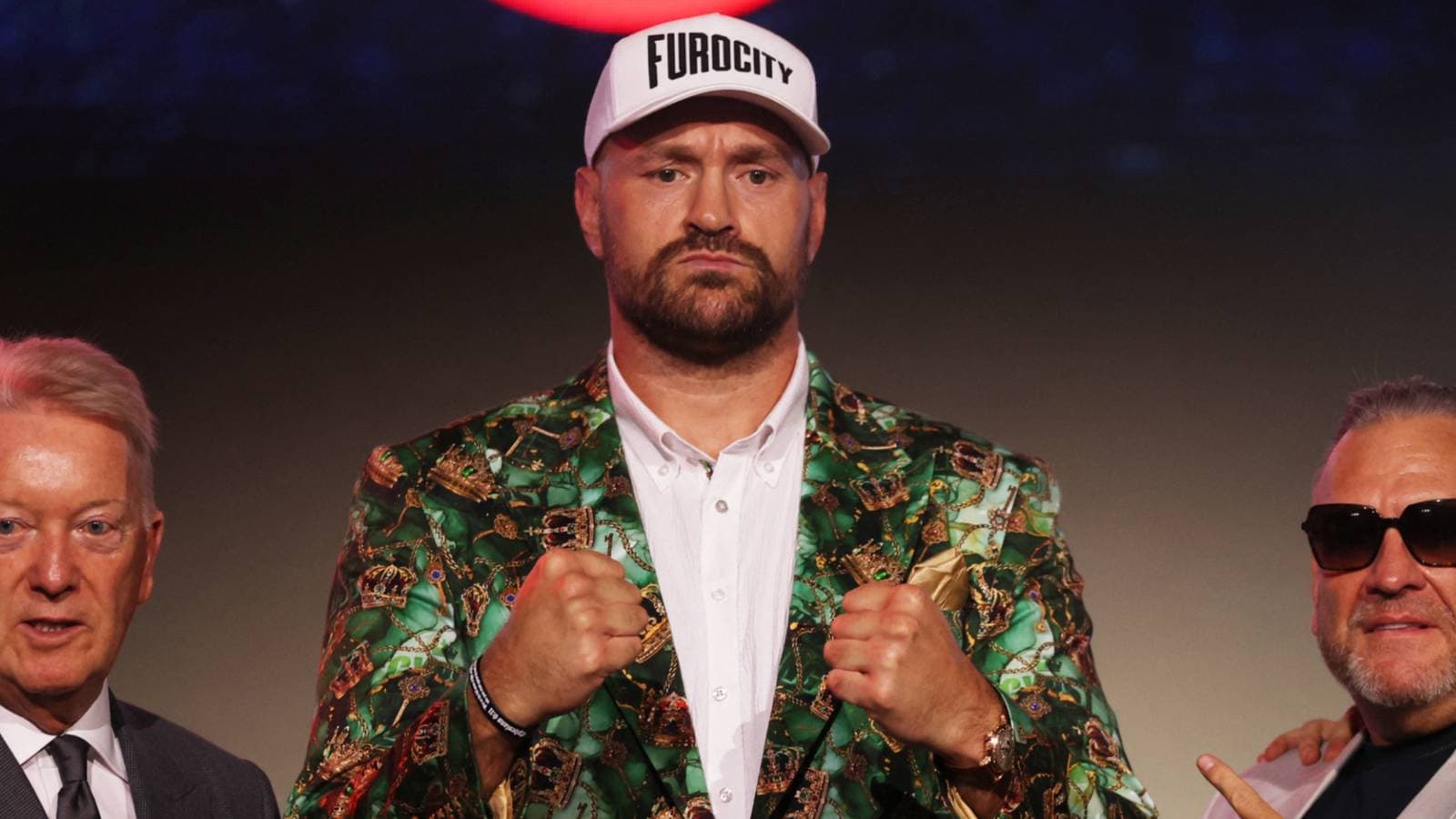
Then comes Neville, dragged into the build-up under the banner of a “shock role for England at World Cup” just two weeks after his MLS exit.
Strip away the drama and the story is simple. Thomas Tuchel and the FA sought the views of Neville and fellow coach John Herdman, two Englishmen with recent experience working in the United States, on the logistical and environmental challenges of a World Cup there: climate, time zones, travel, even traffic.
It’s basic due diligence. Neville has been part of the England set-up before, spent three years managing a women’s team that played two tournaments in the States, and has worked in American football for the last five years. Of course you ask him how to acclimatise.
The “revelation” isn’t even new. Neville himself laid out the process in a column for The Times last week, explaining how FA technical director John McDermott called him last year, while he was managing Portland Timbers, to “pick [his] brain” about the specific demands of a World Cup in the US.
So the role is not shocking. It’s not particularly recent. It’s a 90‑minute Zoom call with someone who knows the terrain. That’s preparation, not drama.
World Cup fever, New York style
While England quietly go about their planning, another Sun piece laments the supposed absence of World Cup fever in New York.
Martin Lipton wandered Manhattan on a Monday morning, scanned the sports pages of the city’s three main papers and, finding no mention of Harry Kane, Lionel Messi or Ronaldo, declared the city cold on the tournament. Instead, he found coverage of the NBA playoffs and the New York Yankees and Mets deep into their MLB seasons.
Of course he did. The games actually being played always dominate the back pages. A World Cup that hasn’t kicked off yet will sit in the background until the first ball is struck. That’s not apathy; that’s the basic rhythm of a sports-mad city.
England’s base and a different kind of scouting
Back on the England beat, The Sun found a different angle: geography of a more voyeuristic kind.
The national team’s World Cup training base sits near Swope Park, a sprawling area in Kansas City. The paper reports, with breathless relish, that the park is a “notorious dogging spot loved by randy couples”, citing adult websites, social media apps and even a Facebook post asking, “Anyone know what goes on at Swope Park at night?”
The details run on: cars parked near a golf course, late‑night meetings by the Grecian-style Thomas H. Swope Memorial, a short walk from the football pitches England will use.
It’s the kind of story that has nothing to do with tactics, fitness or form, yet finds its way into the World Cup conversation because tournaments always attract this sort of sideshow. Somewhere, amid the incognito browser tabs, someone will call it essential colour.
Manchester United’s ‘PSG-style’ plan
While England fine-tune, Manchester United are plotting their own rebuild. Or at least, that’s the pitch.
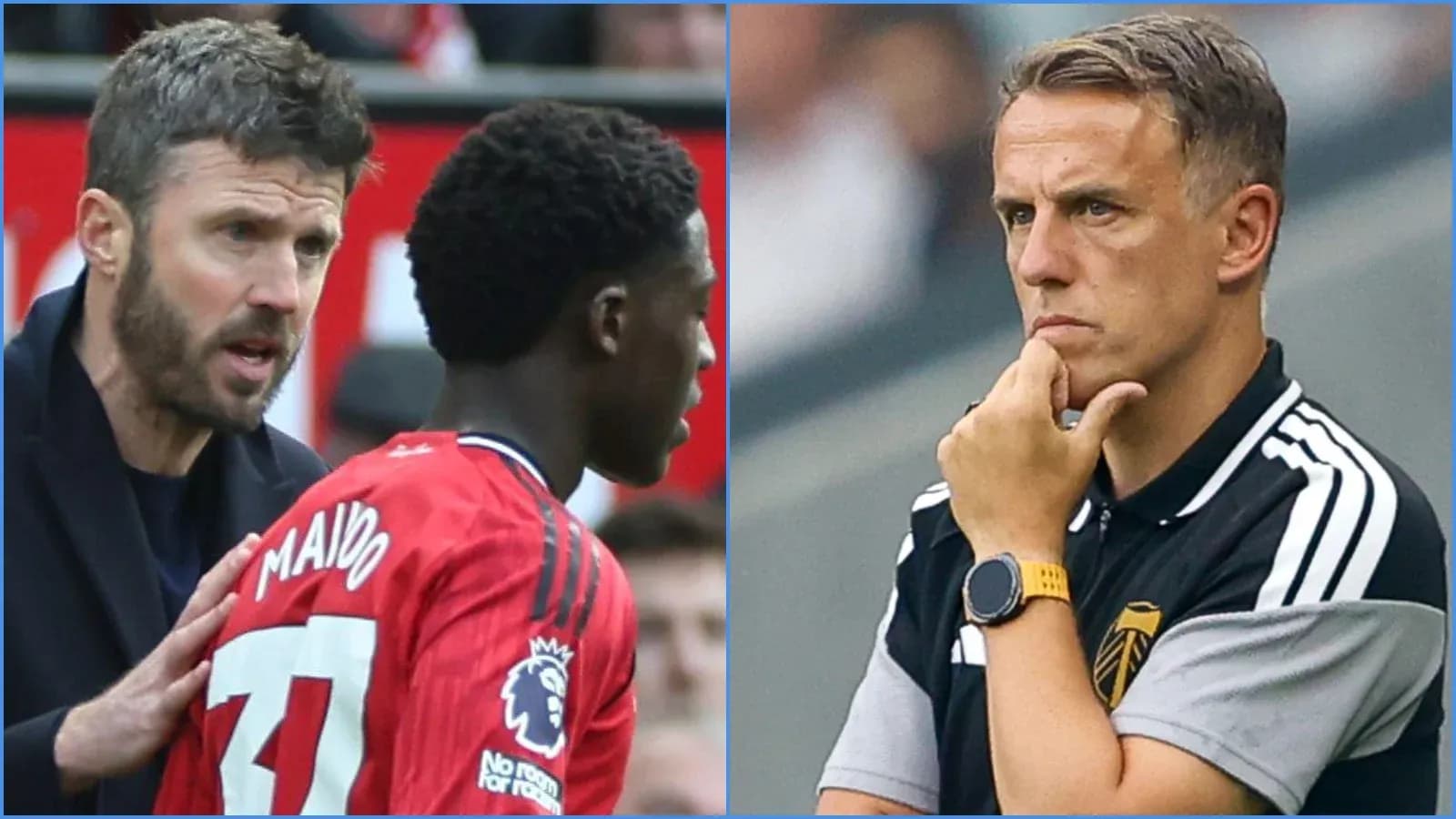
“Man Utd set to create PSG-style midfield with £35m transfer and new role for Kobbie Mainoo,” runs one headline, as if Old Trafford has just unlocked the code behind Paris Saint-Germain’s dominance.
The reported blueprint is straightforward. Move Bruno Fernandes slightly deeper. Push Kobbie Mainoo further forward with more licence to roam. Spend around £35m on Ederson. Three midfielders, three roles, and suddenly United are mirroring the back-to-back European champions.
It’s a neat narrative, but a crude one. PSG’s engine room – Vitinha, Fabian Ruiz, Joao Neves – functions at an elite level because of their blend of intelligence, press resistance, positional discipline and technical quality. You don’t replicate that simply by nudging one player back, another forward, and importing a Brazilian who couldn’t break into his country’s World Cup squad ahead of a 32‑year‑old Fabinho or the 34‑year‑old he is replacing at club level.
Michael Carrick, we’re told, views the Iberian trio as the benchmark for United’s overhaul. On that, he’s right: aim for the best. The leap comes in assuming you can “cobble it together” with one signing and a couple of tweaks.
A headline twist on Trent and Konaté
The creative headline-writing doesn’t stop there. “Trent Alexander-Arnold Liverpool reunion to be announced as four-year deal is signed,” teases one line from the Liverpool Echo.
The reality: Ibrahima Konaté is joining Real Madrid.
No twist, no emotional homecoming for Trent. Just a defender heading to the European champions, packaged in a way designed to drag a Liverpool fan’s eye to the screen before the explanation lands.
Arteta’s ‘shock’ and Arsenal’s medical shake-up
Across north London, Mikel Arteta is said to have been “rocked” as a key staff member leaves Arsenal “just weeks after stunning Premier League title win”.
The key detail? Arsenal have sacked their head doctor following an Arteta-led review into the club’s injury problems this season.
The man driving the review is hardly likely to be blindsided by one of its outcomes. This is a manager known for his control and his insistence on marginal gains. If anything, the decision underlines his determination to squeeze more out of a squad that finally climbed back to the top of English football.
England are consulting experienced voices about conditions in the US. New York is busy with the sports on its doorstep. United are chasing a midfield ideal. Arsenal are reshaping the structures behind their success.
Strip away the noise, and the story is the same: a summer of hard choices and calculated bets, all made in the shadow of a World Cup that will expose exactly who got them right.