Is England's Long Line of Top Strikers Coming to an End After Harry Kane?
For more than four decades, England has enjoyed the presence of a world-class striker leading the attack. From Gary Lineker to Wayne Rooney, and now Harry Kane, the country has rarely lacked a top forward. But as Kane approaches what is likely his final World Cup appearance in 2026, questions arise about who might follow in his footsteps.
At 32, Kane carries the hopes of a nation this summer, but when he eventually steps away from international duty, England might struggle to find a striker of similar caliber. Recent matches without Kane have exposed vulnerabilities; the team appeared "lost and confused" and faced criticism for lacking direction upfront.
The Four-Decade Striker Tradition
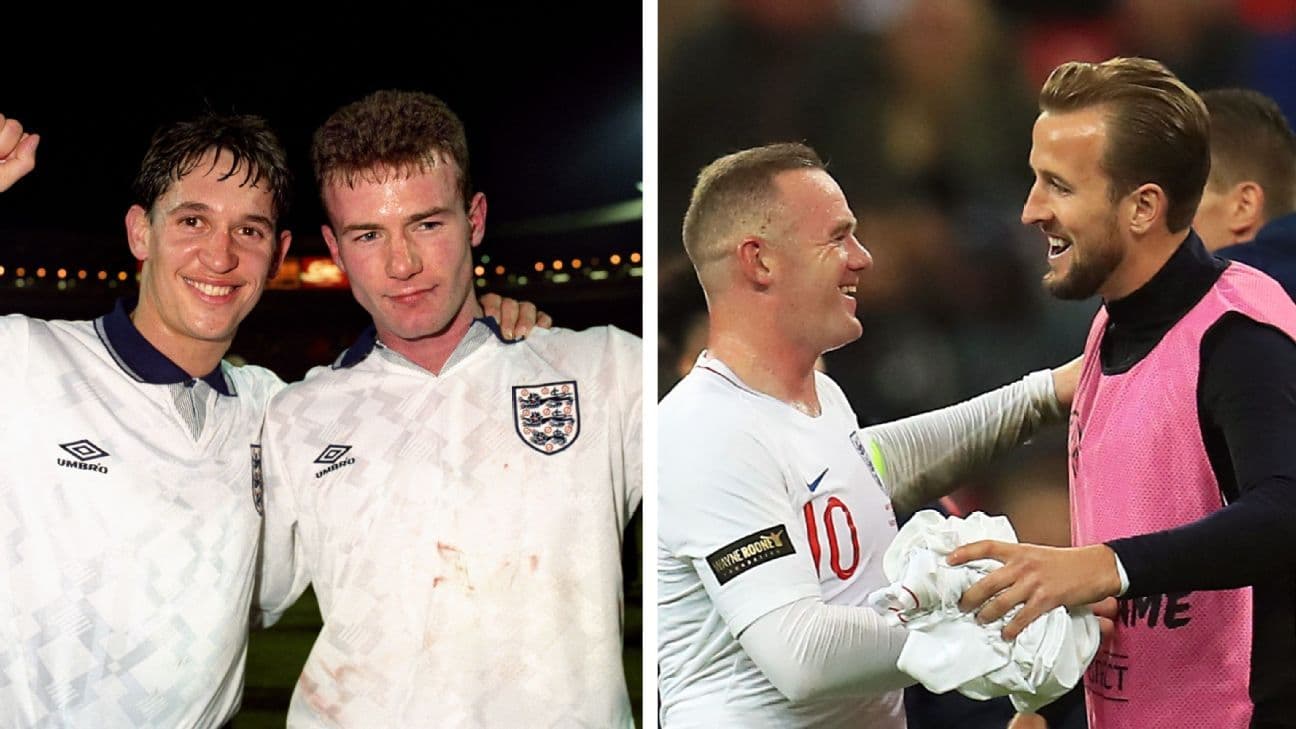
Since May 26, 1984, when Gary Lineker replaced Tony Woodcock against Scotland, England has continuously fielded elite strikers at major tournaments. Between Lineker, Alan Shearer, Michael Owen, Wayne Rooney, and Harry Kane, every World Cup and European Championship campaign has featured a standout No. 9.
This group has amassed 249 international goals, secured two World Cup Golden Boots, earned 11 top-flight league Golden Boots, and held records as all-time top scorers for their clubs. Behind them, dependable forwards such as Teddy Sheringham, Les Ferdinand, Ian Wright, Robbie Fowler, Emile Heskey, Jermain Defoe, and Peter Crouch have provided valuable support.
Changing Attitudes Toward the Striker Role
"The No. 9 back in the day was the role everyone wanted to play," says Emile Heskey. "Now, it’s different. Players tend to want to be wingers more than out-and-out strikers."
Heskey recalls adapting to playing alongside Rooney, noting how he became a lone striker tasked with creating space, rather than simply leading the line. This shift reflects broader tactical changes in football, where the classic striker role has evolved.
How England’s Striker Lineup Compares Globally
England’s continuous supply of high-quality strikers stands out, though France offers a similar legacy with talents like Jean-Pierre Papin, Eric Cantona, Thierry Henry, David Trézéguet, Karim Benzema, and Kylian Mbappé. Their success includes two World Cup victories in 1998 and 2018.
Spain’s dominance lies in central midfield maestros such as Pep Guardiola, Xavi, Andres Iniesta, Sergio Busquets, and others, while Italy boasts an even longer tradition of elite center-backs. Yet, England’s consistent striker line remains unmatched by many nations.
After Kane: A Murky Road Ahead
Kane’s move to Bayern Munich saw him flourish, scoring 95 goals in 93 Bundesliga games. Despite his success abroad, his absence from the Premier League highlights the shortage of English strikers hitting double-digit goals domestically. Only Ollie Watkins, Dominic Calvert-Lewin, and Danny Welbeck managed 10 or more league goals this season — all in their late twenties or early thirties.
Meanwhile, Ivan Toney’s prolific scoring in Saudi Arabia adds another dimension but doesn’t offer reassurance for England’s future front line. Younger prospects also struggle to impress; Liam Delap, seen as a promising talent, has had a difficult debut season at Chelsea, while the England under-21 squad recently included just two strikers.
The Premier League’s shift toward versatile attackers and wide forwards means traditional strikers are less sought after, yet recent signings like Erling Haaland suggest power and pace upfront could be making a comeback.
A New Era for England’s Attack?
Rooney once seemed like the last of England’s great strikers before Kane emerged from relative obscurity. Heskey advises accepting that eras end and styles change:
"We never got another Michael Owen, another Wayne Rooney, or another Alan Shearer. The canvas just changed."
The future may not produce a striker exactly like Kane, but England’s attack will evolve in new directions, testing fans’ patience and hopes alike.