EFL Championship Update: Spurs’ September Challenges and £300m Transfers
Four games in. Barely enough football to draw firm conclusions, but plenty to raise an eyebrow.
Swansea, QPR and Charlton have all hit 10 points from a possible 12 and are already jostling at the top. For Charlton, especially, that brisk start could feel enormous when the relegation fight inevitably tightens later in the season. Bank points now, breathe later.
Swansea look sharp. QPR, too. We’ve seen this film before in the Championship: a fast start, a winter wobble, and a spring scramble. Whether these early leaders can hold their nerve is another question entirely.
West Ham stumbled through their opening three fixtures, but a convincing win over Wolves has yanked them back into the automatic promotion conversation. That performance looked more like a side that expects to go up, not one feeling its way through the division.
At the other end, the warning lights are already flickering. Preston have lost all four, Burnley are still hunting for their first win, and Stoke sit just above them with only three points. It’s early, but patterns form quickly in this league, and breaking out of a losing run can be brutal once the games start to pile up.
Top eight after four matches:
- Swansea – 10 pts
- QPR – 10 pts
- Charlton – 10 pts
- Wolves – 7 pts
- Boro – 7 pts
- Bristol City – 7 pts
- West Brom – 7 pts
- Birmingham – 6 pts
Bottom three:
- Stoke City – 3 pts
- Burnley – 2 pts
- Preston North End – 0 pts
The table will twist and flip a dozen times before Christmas. But for Swansea, QPR and Charlton, this is already a platform. For Preston and Burnley, it’s already a problem.
No European football. Fewer flights, fewer Thursday nights, fewer excuses.
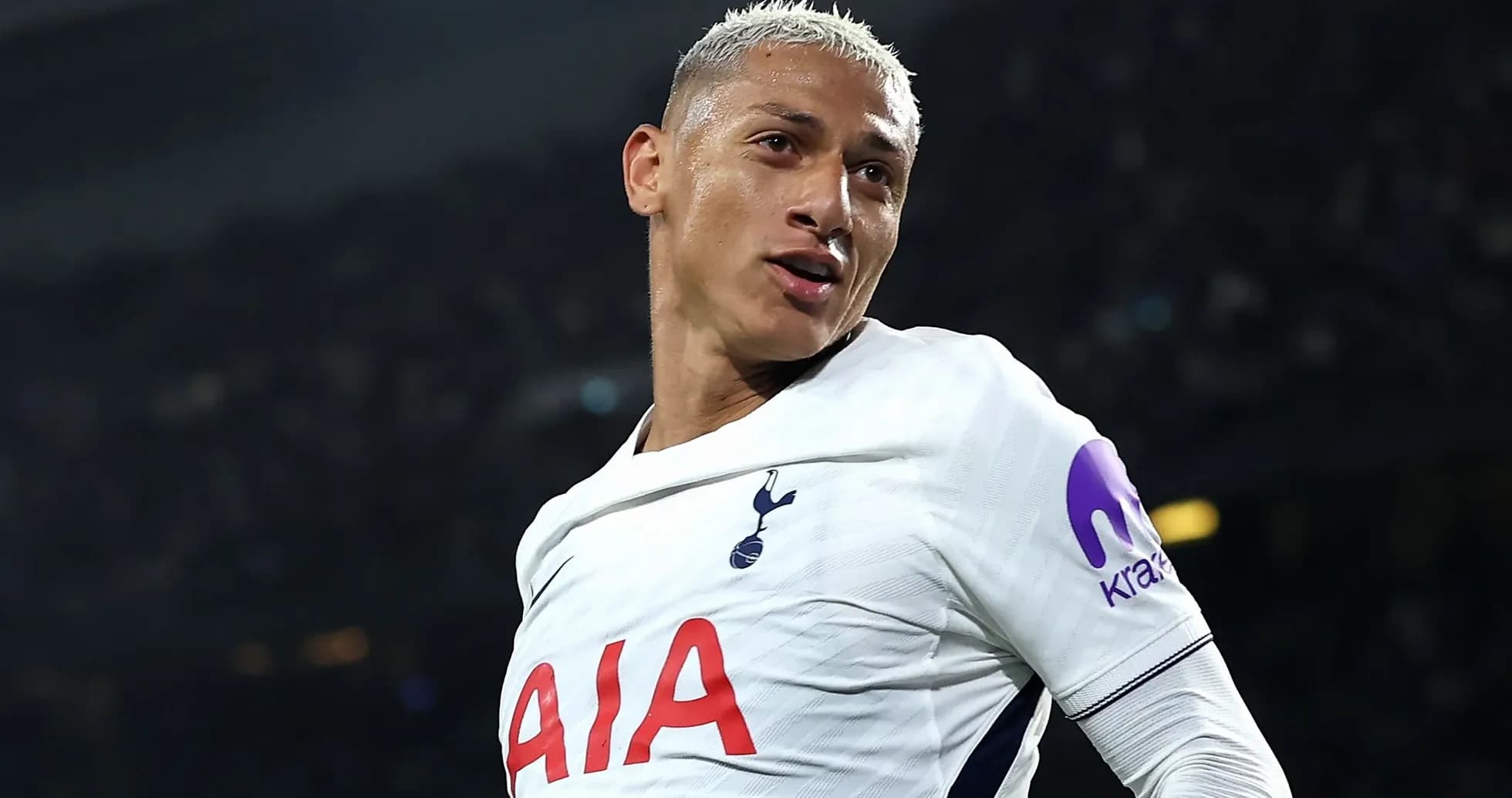
Tottenham’s men have a clean-ish calendar and a squad that, Richarlison’s situation aside, finally feels settled under Roberto De Zerbi. Four matches in September. Four chances to build a base before October turns nasty.
The league fixtures are manageable on paper: Forest on 5 September, Everton on 12 September, and Villa on 19 September. In between, a trip to Anfield on 15 September for an EFL Cup tie against Liverpool that will test both the depth and the nerve of this new-look side.
Spurs showed flashes against Newcastle last week but still walked away with nothing. That can’t keep happening. This month is about turning promise into points, and doing it before the schedule hardens.
The women’s side step into their own new chapter. Their season kicks off against West Ham on 6 September, followed by trips to Liverpool and Palace. The departures of Beth England and Molly Bartrip strip away some of the familiar spine, leaving a different-looking squad to define itself quickly.
Their month is far busier: league games against West Ham, Liverpool, Palace and Villa, plus League Cup clashes with West Ham and Brighton. Six fixtures, one month, and a chance to set the tone for the entire campaign.
The men have space. The women have a sprint. Both need a statement.
Tottenham spent. Hard.
More than £300m went into reshaping a squad that flirted with disaster last season. Some big names walked out, most notably Cristian Romero and Guglielmo Vicario, but the club did not sit still.
Mateus Fernandes arrived as a headline act, a signing that screamed intent. Marcos Senesi and Andy Robertson came in on free transfers – smart, opportunistic business that thickens the squad with proven quality. Spurs also paid up for Savio, who should inject serious threat from the wing.
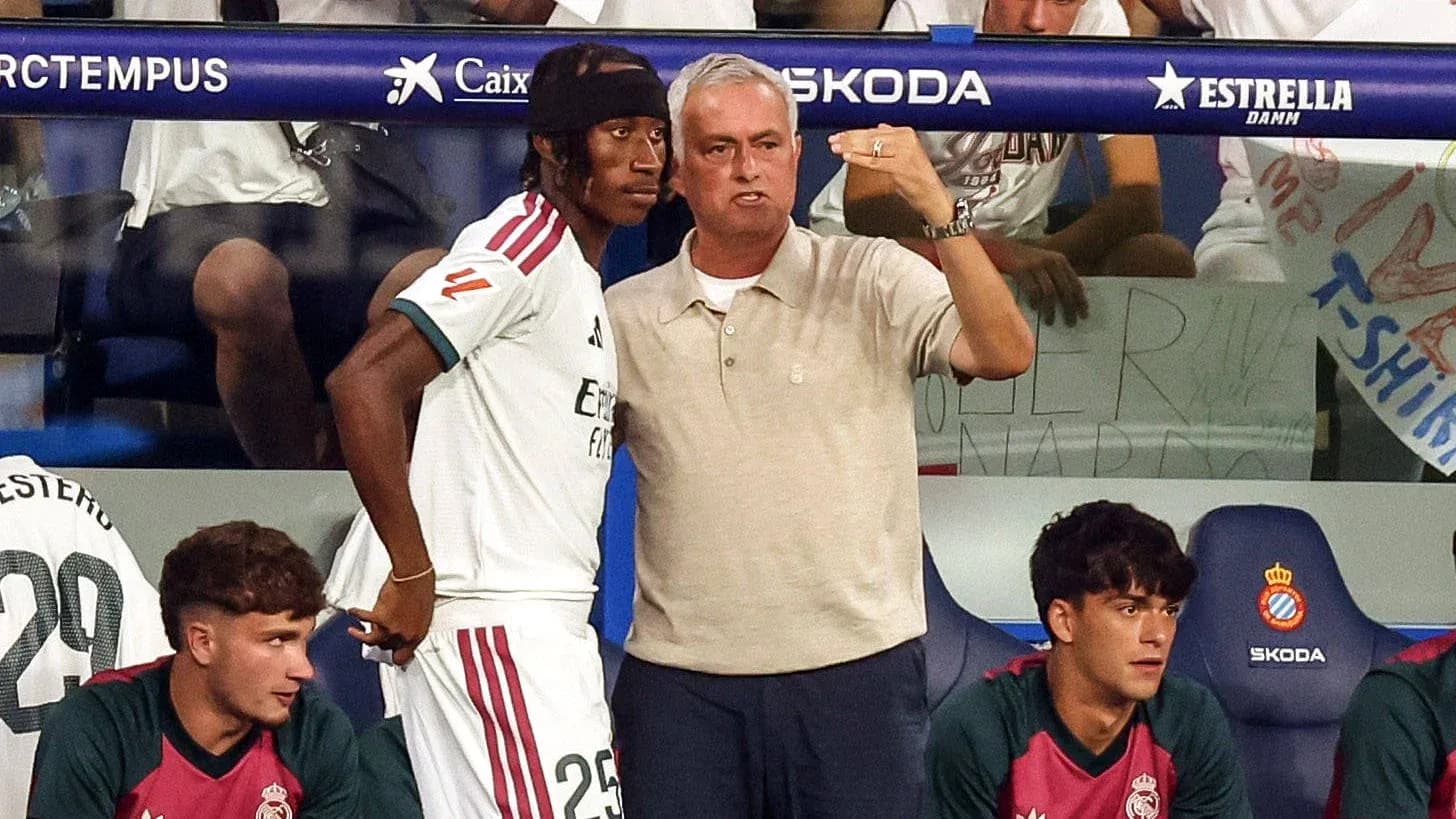
There’s more. Omar Marmoush looks a shrewd addition, the sort of forward who can give De Zerbi options and energy. Mykhailo Mudryk is the curious one. The talent is obvious; the fit less so. If De Zerbi can finally unlock him, Spurs gain a devastating weapon. If he can’t, what does this signing really do for the club’s long-term build?
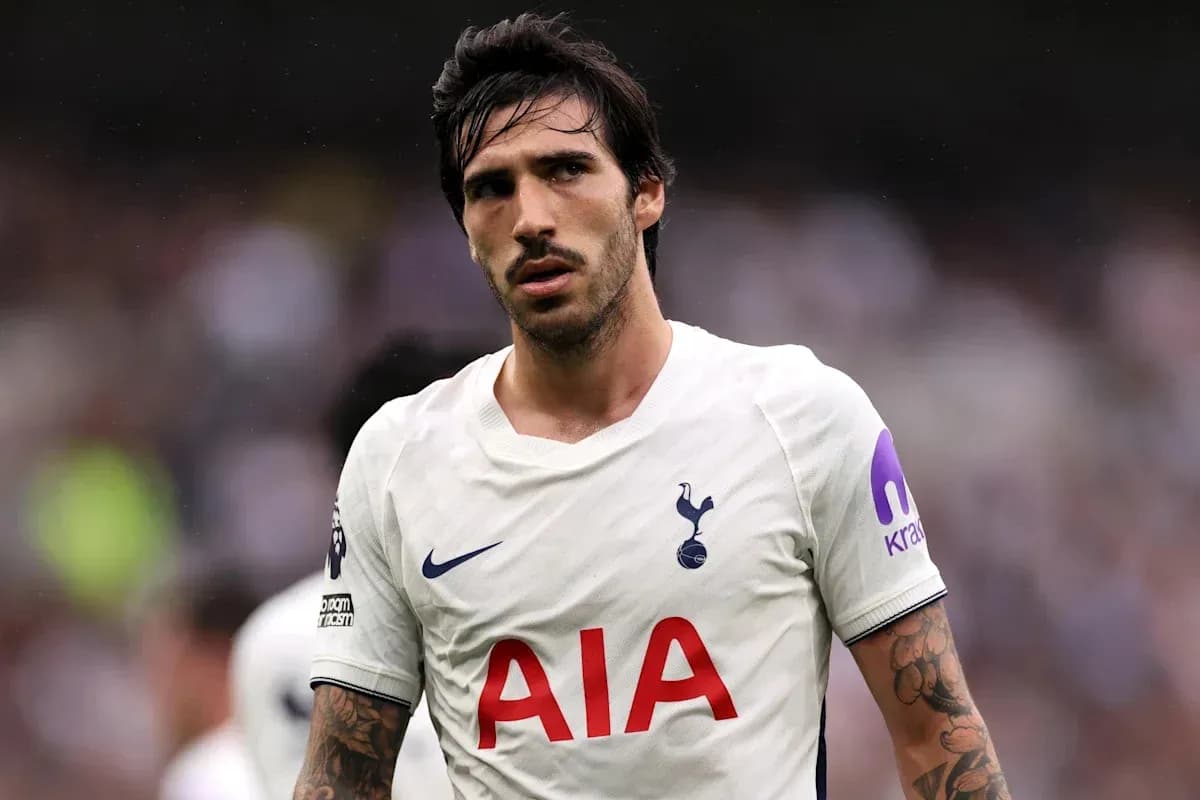
Sandro Tonali’s arrival underlines the ambition. On paper, this is a window that drags Spurs into a different tier of competitiveness. The board have done their part. The pressure now sits squarely on De Zerbi’s shoulders.
Not everything landed perfectly. Letting Will Lankshear leave feels like a misstep, even with a sell-on clause baked in. A loan route might have allowed Spurs to develop him without losing control of his future.
The goalkeeper situation also looks undercooked. Martin Dúbravka doesn’t feel like a genuine threat to Antonín Kinský, and there are still doubts over Kinský himself. In a window where almost every other area saw aggressive upgrades, the chance to significantly raise the level in goal seems to have slipped by.
Taken as a whole, though, the window was bold, expensive and largely coherent.
Fitzie’s verdict: B+
The money has been spent. The squad has been reshaped. Now we find out whether this was the start of a resurgence, or just another expensive reshuffle in north London.