Edu's Turbulent Tenure at Nottingham Forest Ends
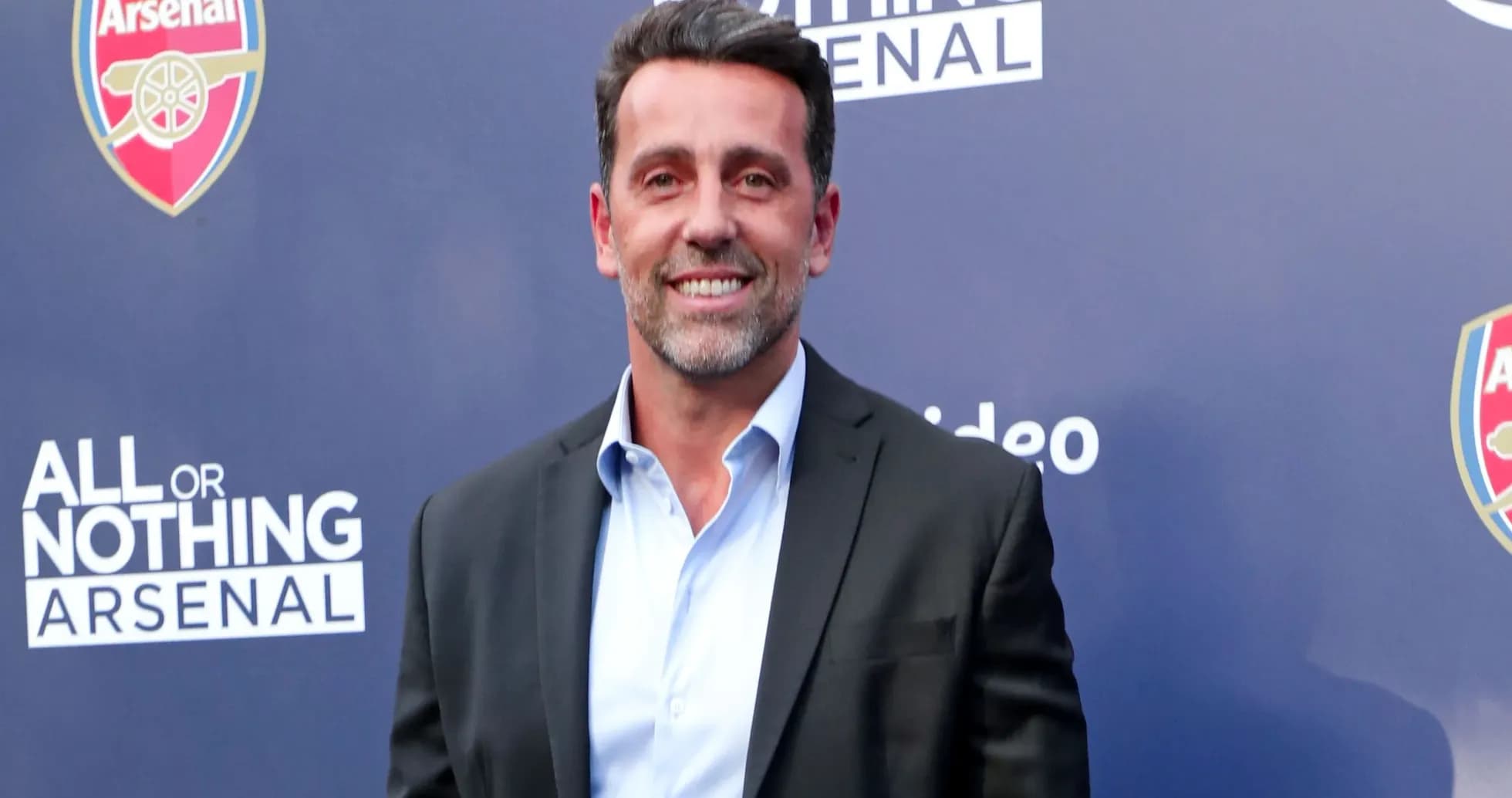
Edu’s brief and bruising spell at Nottingham Forest is over, just over a year after he arrived to front the club’s bold multi‑club vision.
The Brazilian executive, hired as global head of football, has officially left the club, according to The Athletic. In reality, his exit has been unfolding in slow motion for months. He has not attended a Forest match since February and has not been seen at the City Ground or the training ground since early March, when the first reports of his departure surfaced.
Silent exit, new power structure
Forest are not planning a grand statement or a like-for-like replacement. There will be no formal announcement, no fanfare. Instead, Chief Football Officer George Syrianos has quietly stepped into the space Edu once occupied, assuming expanded responsibilities since the Brazilian was effectively sidelined.
Syrianos’ growing influence also cushions the blow of another key departure. When Ross Wilson left for Newcastle United in October last year, Forest lost a major operational figure. The reshaped hierarchy, with Syrianos at the heart of it, is the club’s answer to that vacuum as well as Edu’s exit.
From European push to survival scramble
Edu arrived with a heavyweight reputation and a mandate to push Forest higher. For a moment, it looked like the club might be on that path. Under Nuno Espirito Santo, Forest flirted with a Champions League challenge, riding a wave of optimism at the City Ground.
Then the relationship between manager and director fractured. The fallout proved decisive. Nuno departed, and with him went Forest’s early-season poise. The club slid from European outsiders into a full-blown relegation fight, the mood around the place turning anxious and fractured.
The pressure told in the dugout as much as in the boardroom.
Managerial chaos under Edu’s watch
What followed was chaos. Pure, relentless churn.
Ange Postecoglou lasted just 39 days in charge before he was gone, a whirlwind appointment that never had the chance to settle. Sean Dyche came next, brought in to steady the ship, only to be dismissed in February as results and performances failed to convince.
Vitor Pereira took over on a short, uneasy stint, another brief chapter in a season that refused to find rhythm. Then came Oliver Glasner, the former Crystal Palace boss, handed the task of restoring some kind of continuity to a club that had forgotten what stability looked like.
Each change on the touchline underlined the same point: the consistency Forest craved had vanished during Edu’s turbulent stewardship of football operations.
Transfer misfires and fan frustration
The instability was not confined to the technical area. Edu’s transfer strategy drew heavy fire from supporters and pundits alike.
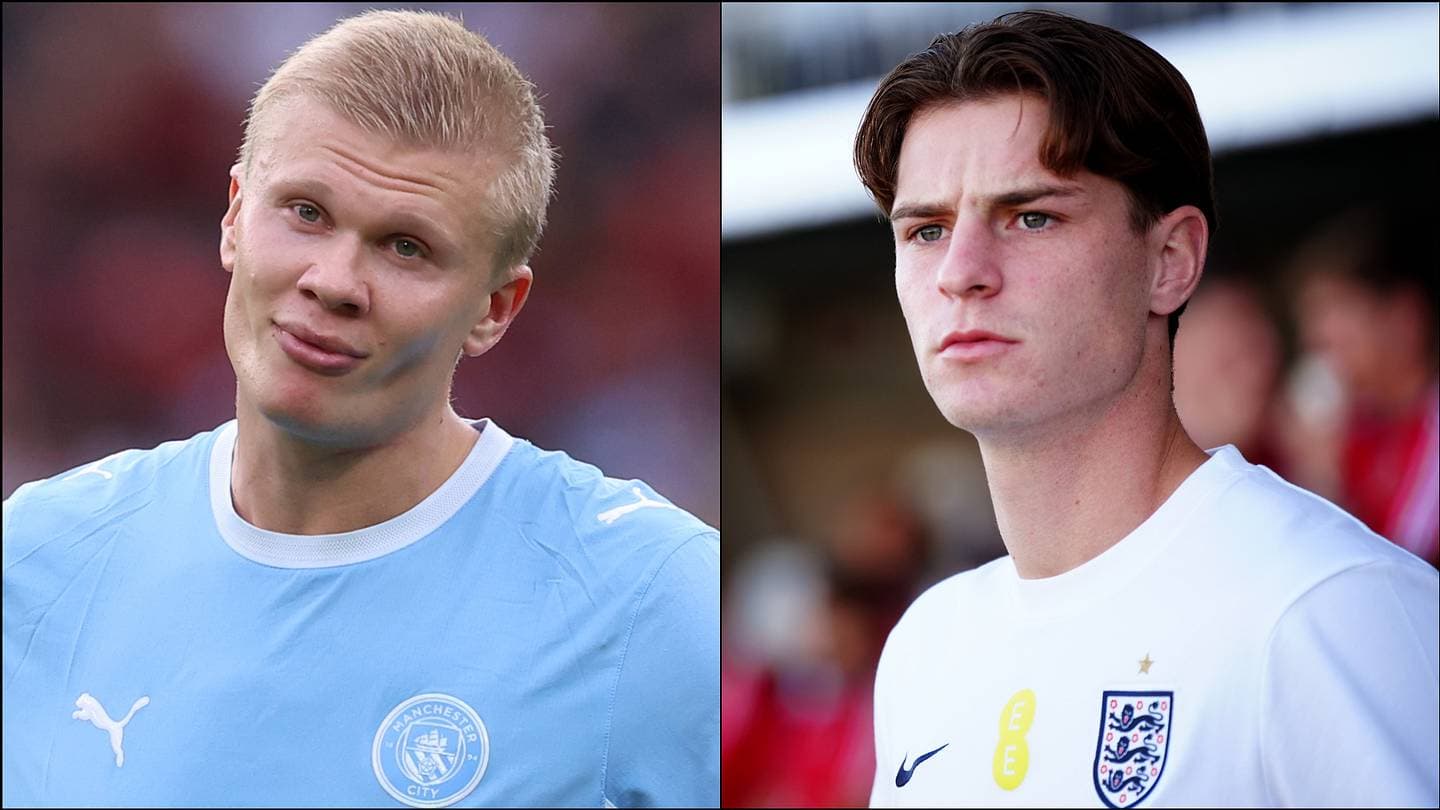
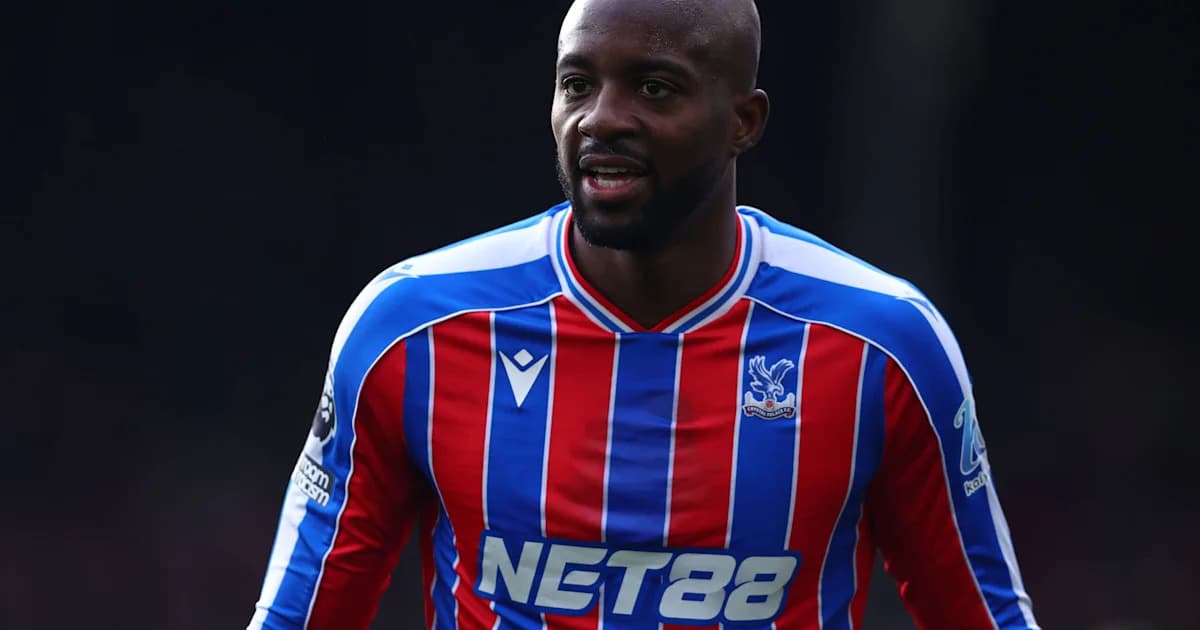
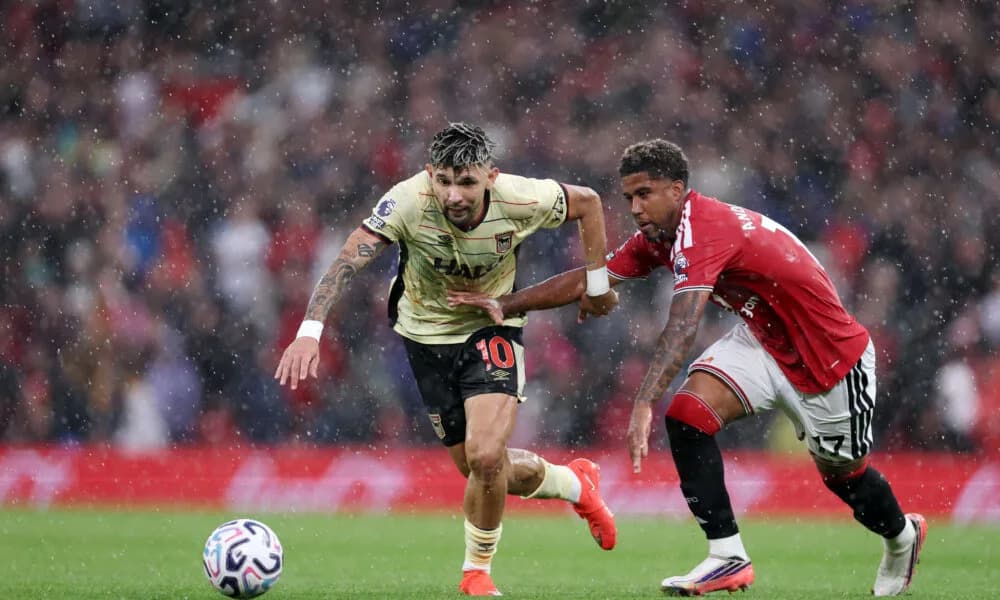
Forest spent big and went bold, bringing in high-profile names with strong reputations. On paper, it looked ambitious. On the pitch, it fell flat. Omari Hutchinson struggled to impose himself. Douglas Luiz, a marquee capture, never truly dictated games in the way Forest had hoped. Oleksandr Zinchenko, another headline signing, failed to leave a lasting mark at the City Ground.
The sense grew that Forest were collecting reputations rather than building a coherent squad. For a club fighting to stay in the Premier League, those missteps hurt.
A sharp contrast to Arsenal success
This was not the Edu English football had come to know.
He had arrived at Arsenal in 2019 as the club’s first technical director, quickly shaping the modern era at the Emirates. He appointed former teammate Mikel Arteta later that year, backed him through difficult early stretches, and helped build a squad that pushed for the title. In November 2022, Arsenal promoted him to sporting director, a role he held until his surprise resignation in November 2024.
At Arsenal, he was viewed as one of the sharpest operators in the game. At Forest, his tenure ended with questions and criticism rather than plaudits.
A glittering résumé, a bruising chapter
Edu’s departure from Nottingham marks a low ebb in a career otherwise lined with success.
As a player, he was part of Arsenal’s iconic 2003-04 ‘Invincibles’ – a team etched into Premier League history. Off the pitch, he built a formidable CV: five years as director of football at Corinthians, a brief advisory role with the Iran national team in 2014, and three years as general coordinator for Brazil’s national side.
Those roles cemented his reputation as a polished, high-level football executive. Forest, though, will be remembered as the chapter where the project veered off course, the signings misfired, and the managerial carousel spun out of control.
Now the club moves on with Syrianos at the helm of football operations and Glasner in the dugout. The question is simple and unforgiving: after Edu’s turbulent spell, can Nottingham Forest finally rediscover a clear, steady direction?