Diego Maradona's Napoli and the Birth of the Champions League
On 16 September 1987, Diego Maradona took his Napoli side into the white heat of La Quinta del Buitre’s Real Madrid, a first-round, first-leg tie in the European Cup that felt like it belonged in late spring, not the opening act. Madrid won 2-0 at the Bernabéu, then dug out a 1-1 draw at the San Paolo. Just like that, I Partenopei were gone, ushered out of Europe almost before the music had started.
Watching from afar, Silvio Berlusconi seethed. One of the competition’s great attractions had been dumped at the first fence, and he had no intention of seeing the same fate befall his own project, AC Milan. Out of that frustration came an idea that would echo through the decades: a European super league, a closed shop for the continent’s elite. It never materialised in the way he imagined, but it spooked Uefa badly enough. Five years later, the Champions League was born.
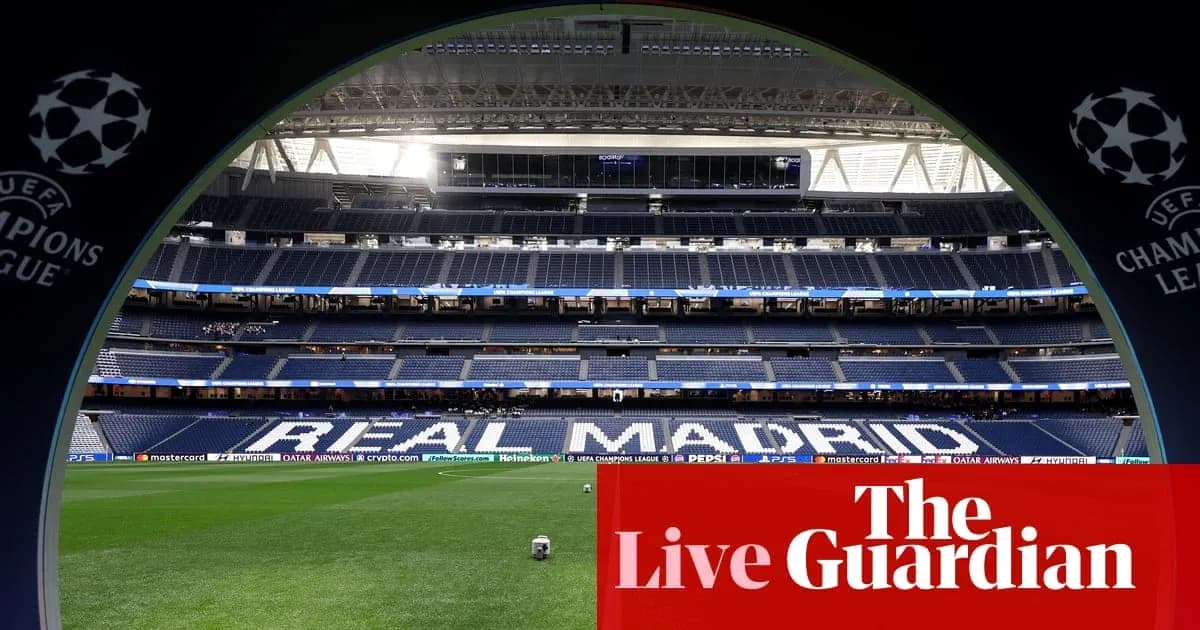
Even that, though, only whetted appetites. One club per country became two, then three, then four. Now, in some cases, five. The latest twist, the so‑called Swiss model, feels like the logical end of the Berlusconi doctrine: maximise the number of high-end fixtures between the richest clubs, minimise the risk of early elimination. Gabriel Hanot, the journalist who first dreamed up a true continental competition, would be in despair at the distortion of his creation. The rest of us? We shrug, we argue, and then we sit down to watch Real Madrid v Internazionale.
Because how could you not. Football’s problem is also its power: it keeps producing occasions you cannot turn away from. This one comes loaded. José Mourinho, handed what looks like another last chance at the very top, walks back into the Champions League spotlight trying to summon the edge and ingenuity that once made him the defining coach of his era. In the opposite dugout, Cristian Chivu, a former Mourinho lieutenant, now carries the weight of Inter as head coach, at the club where his old boss arguably delivered his masterpiece.
That alone would be enough to sell the night. It is not all, though.
In Dortmund, the Westfalen will roar for a new name. Konstantinos Karetsas, just 18, has burst into the Borussia Dortmund midfield with a fearlessness that has jolted an already fervent crowd. Villarreal arrive to test how real the hype is, how quickly a teenager can bend a major European tie to his rhythm.
Elsewhere, Porto v Manchester City offers another measure of how long Pep Guardiola’s side can keep grinding through Europe’s demands, while Lille v Real Betis promises the kind of knife-edge contest the new format claims to dilute but never quite erases. The bigger picture, the long-term meaning of any single result in this bloated landscape, is hazy. Does it matter? Not to the millions of eyes fixed on the screens, chasing the next flash of genius, the next collapse, the next controversy.
And threaded through all of this, the domestic game keeps humming. The League Cup kicks off at 7.45pm and 8pm BST, a familiar midweek soundtrack of rotated XIs, restless fanbases and managers weighing up risk and reward. The Champions League follows at 8pm BST, swallowing the spotlight as it always does.
So pick your tie. Madrid under the lights, Inter chasing their past, a teenage prodigy in Dortmund, City’s machine rolling on, Betis and Lille scrapping for position, or the raw, unvarnished chaos of the League Cup.
The calendar is swollen, the formats warped, the ideals compromised. The games, though? They keep coming.