Diego Maradona Case Returns to Court in Argentina
In Argentina, the Diego Maradona case is back in the dock.
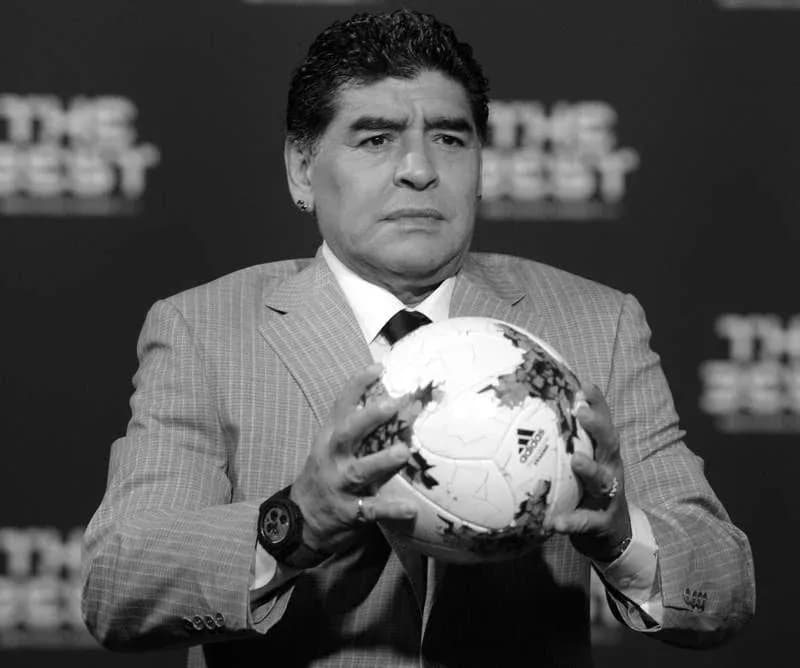
Five and a half years after the death of the 1986 World Cup winner, a second trial against members of his medical team opened on Tuesday in San Isidro, just north of Buenos Aires, dragging one of football’s most mythic figures into a long, grinding legal battle over how his life ended.
Maradona’s final days under the microscope
Seven defendants – doctors and carers who attended to Maradona in his final weeks – took their places in court. Among them are his personal doctor, Leopoldo Luque, psychiatrist Agustina Cosachov, a psychologist, another doctor, the medical coordinator of his health insurer and two carers. All stand accused of manslaughter. All deny any wrongdoing.
If found guilty, they face sentences of up to 25 years in prison.
The case centres on Maradona’s last days in a private residential complex, where he died of a heart attack on November 25, 2020, aged 60. Only weeks earlier he had undergone brain surgery, a procedure that prompted intense concern and, in Argentina, a national vigil for a man many regard as untouchable.
Investigators argue that what followed that operation was not careful rehabilitation, but a chain of serious failings in his at-home care. The prosecution’s case is built on the claim that those responsible for his treatment did not provide the level of medical attention his condition demanded.
A long trial, a longer shadow
This is no quick hearing. The court has scheduled two sessions per week, and the proceedings are expected to run for months. Around 90 witnesses are due to give evidence, a parade of voices that will revisit in painstaking detail the final chapter of Maradona’s life.
The scale of the trial reflects the scale of the man. Every development is tracked, dissected and argued over in a country where Maradona’s name still fills streets, shirts and stadium songs.
Yet this is already a saga with a twist. The current hearings only exist because the first trial collapsed. After 21 days of proceedings, a three-judge panel was thrown into disarray when one of the judges was suspended over her involvement in an unauthorized documentary film about the case. The entire process was declared null and void in May last year, forcing prosecutors, defence teams and Maradona’s family to start again.
Now the spotlight returns to San Isidro. The defendants insist they did what they could for a patient as complex as Maradona. Prosecutors insist that negligence cost him his life.
The verdict, whenever it comes, will not change the date on his statue or the memories he left on the pitch. But in a country still wrestling with how its greatest football icon was allowed to die, it will say plenty about who, if anyone, must carry the blame.