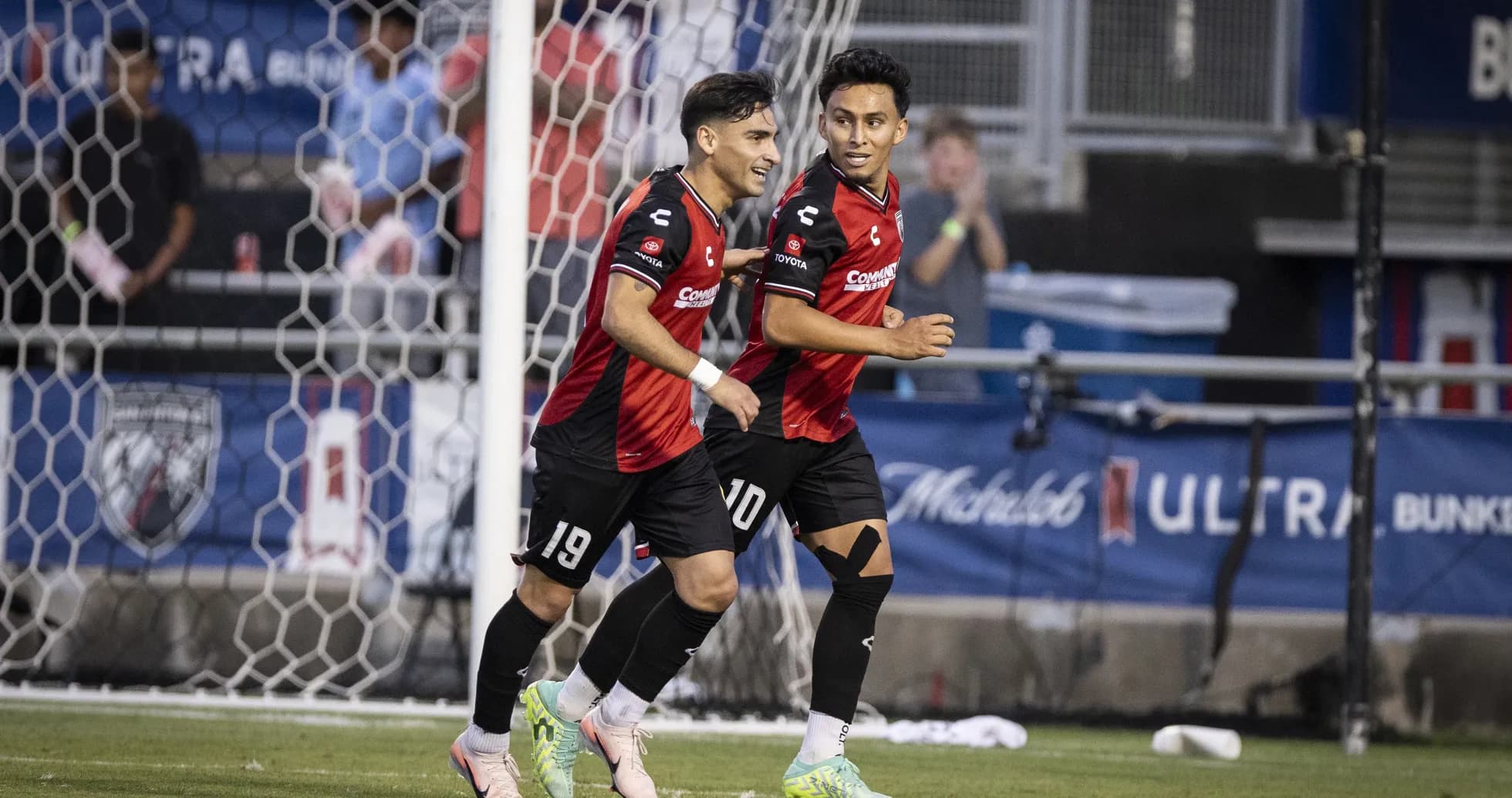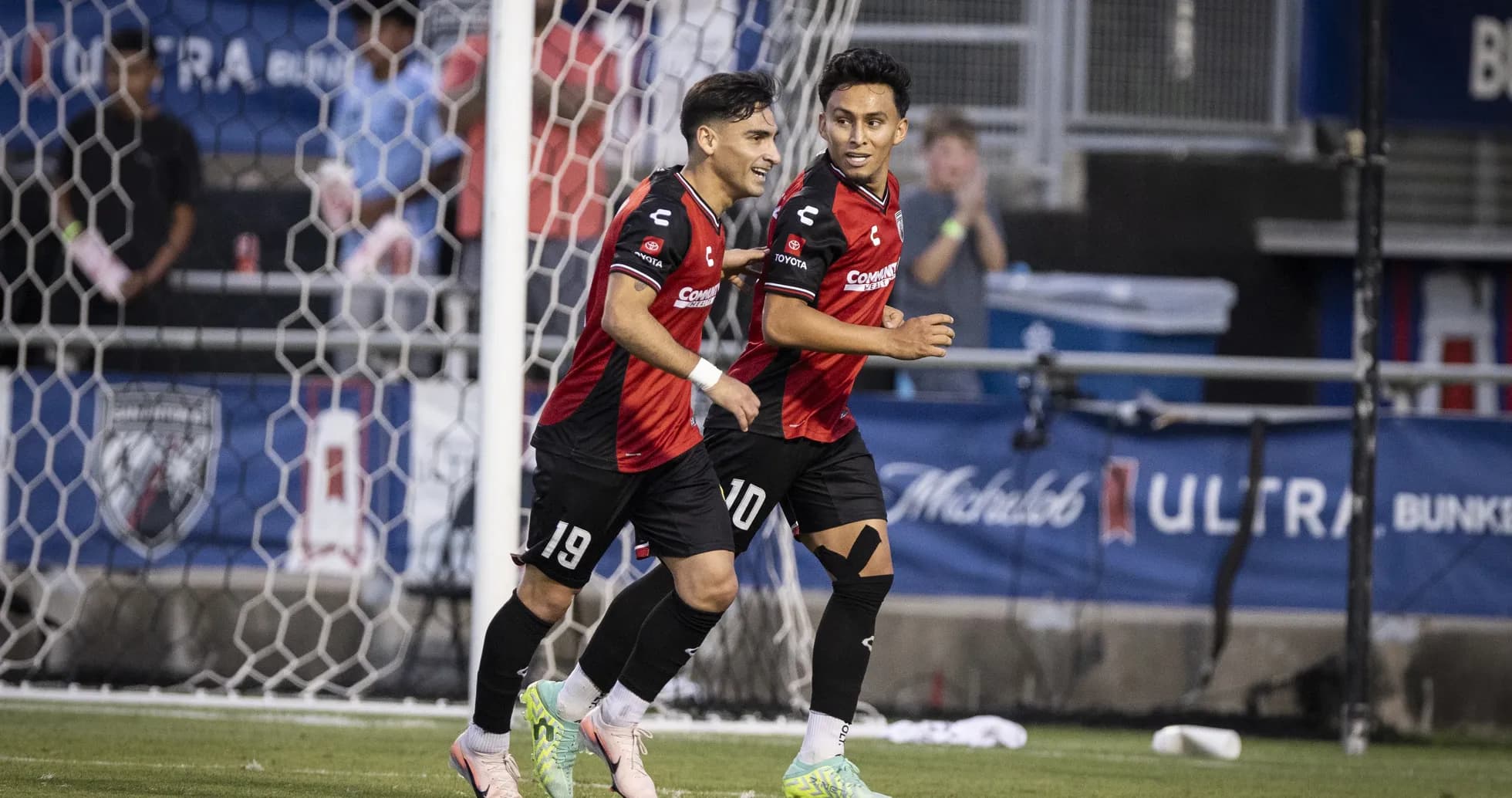
Detroit City vs El Paso Locomotive: A Tactical Stalemate
On a cool night at Keyworth Stadium, Detroit City and El Paso Locomotive played out a 1–1 draw that felt less like a routine group-stage fixture and more like an early rehearsal for knockout football. Following this result, both sides remain firmly in the promotion-chasing pack of the USL Championship’s USL 1 group: Detroit sitting 4th on 18 points, El Paso 6th on 15, each still tagged for the play-offs.
I. The Big Picture – Two Identities Colliding
Detroit’s season-long identity is clear: fortress at home, frailty on their travels. Overall they have 13 goals for and 11 against in 12 matches, a goal difference of +2. At home, though, the profile sharpens: 10 goals scored and only 3 conceded in 6 games, backed by an attacking average of 1.7 goals and a defensive concession rate of just 0.5. They had won 5 of those 6 home fixtures, drawing the other, and kept 3 home clean sheets. Keyworth has been a place where games are controlled, not chased.
El Paso arrive as almost the mirror image. Overall they have 22 goals scored and 21 conceded in 11 matches, a goal difference of +1 and a reputation for chaos. On their travels they are one of the league’s most dangerous attacking units: 13 away goals in 6 games, averaging 2.2 per match, while conceding 6 (1.0 per away game). They had already delivered a 0–4 away win this season, a statement that they can dismantle teams when transitions fall their way.
The 1–1 scoreline, with El Paso leading 0–1 at half-time and Detroit rallying after the break, is the statistical compromise between those identities: Detroit’s home solidity tested by El Paso’s away firepower, and neither side quite able to bend the other out of shape.
II. Tactical Voids and Discipline – Where the Edges Were Blunted
With no formal injury or suspension list available, both coaches appeared to lean into their core groups. Danny Dichio set up Detroit around the spine of C. Herrera in goal, a back line anchored by C. Montgomery and D. Amoo-Mensah, and a midfield blend of industry and progression in A. Stanley, K. Hernandez-Foster and P. Etaka. Ahead of them, the trio of C. Rutz, A. Diop, A. Diouf and the central presence of B. Morris suggested an intent to stretch El Paso laterally while keeping a focal point between the lines.
Junior Gonzalez’s El Paso, by contrast, looked every inch the proactive away side. S. Mora-Mora in goal sat behind a defensive unit of K. Hoban, N. Cardona, K. Twumasi and Tony Alfaro, with Gabriel Torres offering balance from deeper zones. In midfield, E. Calvillo and R. Avila provided legs and passing angles, while A. Mendez and A. Moreno operated as advanced connectors for the central striker R. Rubin.
Discipline has been an undercurrent of both teams’ seasons. Detroit’s yellow-card profile shows a clear spike between 61–75 minutes, where 31.58% of their cautions arrive, and a notable 21.05% between 46–60 minutes. There is also a single red card in the 16–30 minute range, evidence that early-game emotion can sometimes spill over. El Paso’s yellow distribution is similarly second-half heavy: 26.67% between 61–75 minutes, 23.33% in both the 31–45 and 46–60 windows, and 20.00% from 76–90. Their red-card pattern is even more volatile, with dismissals spread across 0–15, 16–30, 46–60 and 61–75 minutes.
In a match that finished level, those disciplinary tendencies likely influenced how both coaches managed risk after the interval. Detroit, already a side that can grind at home, had to balance the need to chase the equaliser with the knowledge that their most card-prone phase comes just as games open up. El Paso, with a history of red cards in multiple phases, would have been wary of over-committing once they had a lead to protect.
III. Key Matchups – Hunter vs Shield, Engine Room vs Enforcer
Without official top-scorer data, the roles on the pitch tell the story. For Detroit, B. Morris is the natural “Hunter,” the central reference point tasked with turning territorial dominance into end product. His duel was not just with S. Mora-Mora, but with the entire El Paso defensive structure led by Tony Alfaro and K. Twumasi. On their travels, El Paso concede an average of 1.0 goal per game; Detroit at home score 1.7. That numerical tension played out on the pitch: El Paso’s back line looked more compact and conservative than their overall season numbers might suggest, yet they could not quite shut the door for 90 minutes.
In midfield, the “Engine Room” battle was nuanced. A. Diop and A. Diouf offered Detroit vertical running and ball-carrying threat, supported by the passing range of P. Etaka and the left-sided balance of K. Hernandez-Foster. Across from them, E. Calvillo and R. Avila had to screen, press and still feed A. Moreno and A. Mendez between the lines. El Paso’s season-long profile of 2.0 goals scored per match overall, including 2.2 away, is built on those midfield-to-attack connections; Detroit’s concession rate of just 0.5 goals per home game is built on disrupting exactly that.
C. Herrera’s presence in goal for Detroit, behind a unit that has allowed only 3 home goals all season, framed the duel with R. Rubin. El Paso had failed to score in 0 matches overall this season heading into this game, a testament to their attacking consistency. That they found the net again at Keyworth reinforces Rubin’s and Moreno’s ability to prise open even well-organised defences.
IV. Statistical Prognosis – What This Draw Tells Us Going Forward
Following this result, Detroit’s home aura remains largely intact. They have still not lost at Keyworth, and their overall goal difference of +2 is underpinned by a defensive base that travels well into knockout scenarios. Their season-long average of 1.1 goals scored and 0.9 conceded suggests tight, controlled matches where marginal gains matter. The lack of penalties taken (0 in total, with 0 scored and 0 missed) underlines that they have not relied on spot-kicks to inflate their attacking numbers.
El Paso, with 22 goals for and 21 against, continue to live on a knife edge. Their perfect penalty record (4 scored from 4, 100.00%) adds a ruthless layer to an already potent attack. In a two-legged 1/8-final context, that blend of away scoring power and penalty composure makes them a dangerous opponent, even if their defensive volatility and red-card history demand better control of game states.
From an Expected Goals lens, the underlying trends are clear even without explicit xG data: Detroit’s low-concession home profile and modest scoring rate point to games where their xG for and against are both contained, while El Paso’s high-scoring, high-conceding pattern implies more open contests with elevated xG on both sides. The 1–1 draw sits somewhere between those worlds.
If this were a playoff tie, you would project a narrow aggregate, with Detroit leaning on structure and El Paso banking on moments. The Hunter vs Shield dynamic between Detroit’s focal attackers and El Paso’s away defence, and the Engine Room clash between Diop/Diouf and Calvillo/Moreno, would again define the margins. On this night, neither side landed the decisive blow—but the statistical and tactical contours suggest that if they meet again in the 1/8-finals, the rematch will be played on the same fine edge.