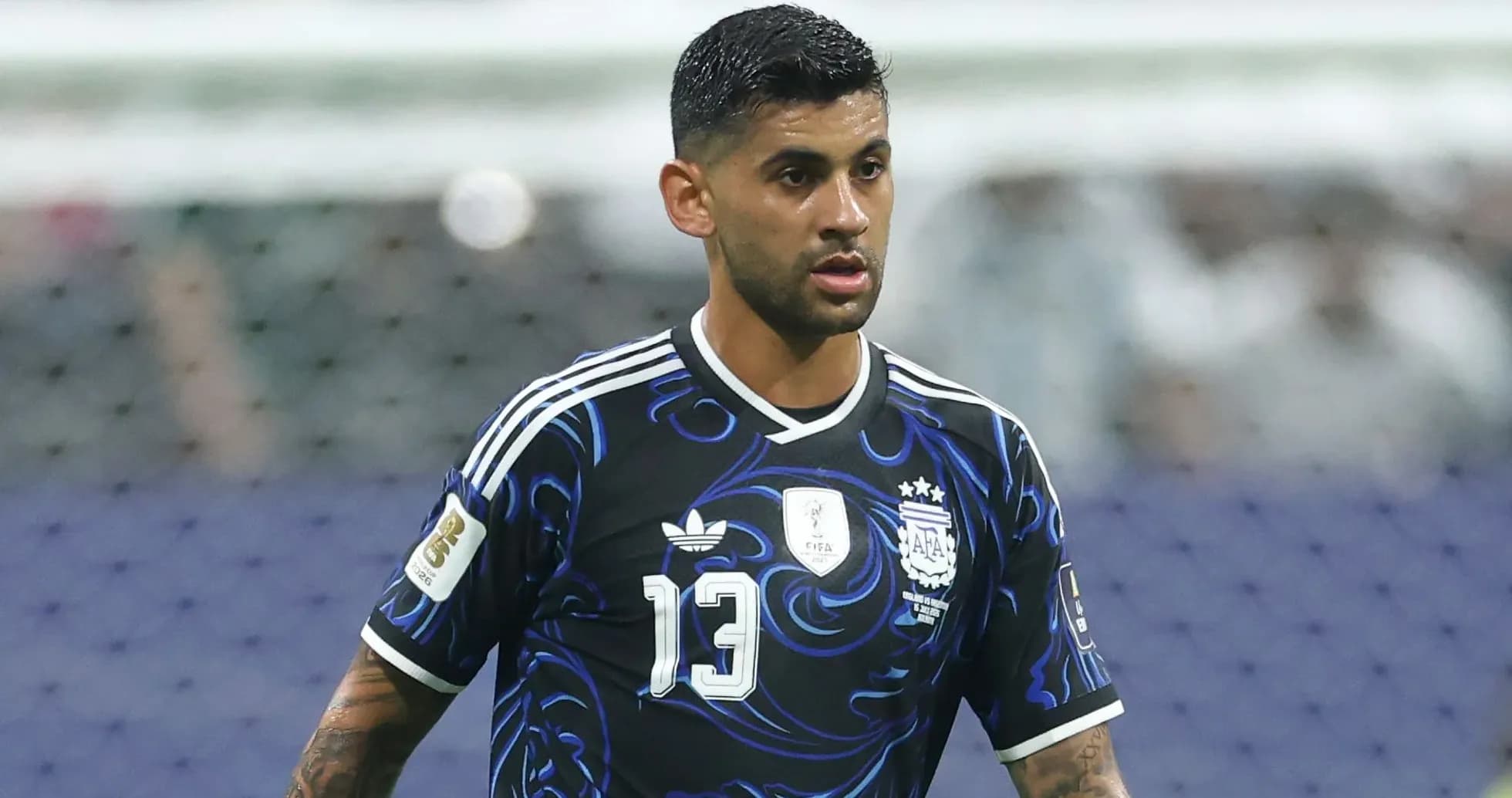
Cristian Romero Joins Atletico: A New Defensive Force for Simeone
Atletico have their man. Cristian Romero, one of the most combative centre-backs in Europe, has completed his move from Tottenham to the Riyadh Air Metropolitano, signing a long-term deal that runs until 30 June 2031.
The 28-year-old Argentina international passed his medical at the Vithas-Invictum High-Performance Sports Medicine Centre in Madrid before heading to the club offices to seal the transfer. The fee for the right-footed defender is reported to reach €40 million, a statement outlay from Los Rojiblancos for a player built in the image of their coach.
This is not a quiet change of scenery. It is a major defensive reset.
From London leader to Madrid pillar
Romero leaves Tottenham after five seasons that transformed him from an intriguing Serie A prospect into the heartbeat of a Premier League backline. Initially signed on loan for the 2021-22 campaign, he did enough in that first year for Spurs to make the deal permanent — and never looked back.
Across all competitions, he racked up 156 appearances, scoring 13 goals and providing seven assists. Those numbers only scratch the surface. He became the emotional barometer of the side, aggressive in the challenge, front-foot in his defending, and unshakeable in big moments.
His defining chapter in England came in the 2024-25 season. Spurs finally ended a 31-year wait for European silverware by lifting the Europa League, and Romero stood at the centre of it all. He was named the competition’s best player and the standout performer in the final, recognition that underlined his elevation into the elite tier of European defenders.
For Tottenham, he departs as a cornerstone of their modern era. For Atletico, he arrives as the anchor of what they hope is the next one.
A career built on hard edges and big stages
Romero’s path to Madrid has been anything but cushioned.
Born in Cordoba, he broke through at Club Atletico Belgrano in 2016, quickly catching the eye with his timing in the tackle and refusal to back down. That edge took him to Serie A, where Genoa gave him his first taste of European football.
Juventus moved to secure his rights in 2019, but it was on loan — first back at Genoa, then at Atalanta — where he truly exploded. The 2020-21 season in Bergamo proved pivotal: Romero was named Serie A’s best defender, a title that carried weight in a league steeped in defensive tradition. Those performances opened the door to the Premier League and the move to Spurs.
His international record with Argentina only adds to the aura. Romero has already amassed 58 senior caps and has never finished below second place in any international tournament he has played. The honours list is staggering: the 2022 World Cup, two Copa America titles, the Finalissima, and a runner-up finish at the 2026 World Cup. Each campaign reinforced his reputation as a defender who thrives when the stakes spike.
This is not just a club signing. Atletico are bringing in a player hardened by finals, pressure, and the expectation of a football-obsessed nation.
Perfect fit for Simeone’s demands
Diego Simeone has long built his teams on structure, intensity, and a certain ruthlessness without the ball. Romero ticks every one of those boxes.
Atletico view his physical profile, aerial dominance, and leadership as key ingredients to reinforce a backline that has been gradually reshaped in recent seasons. His contract through to June 2031 signals trust and continuity: this is a defender they expect to build around, not simply plug in.
La Liga now becomes the third major European championship of his career, after Serie A and the Premier League. Romero arrives with titles, individual awards, and the kind of competitive scars Simeone values.
The move marks a new chapter for both player and club. Atletico gain a World Cup-winning centre-back in his prime. Romero gains a stage where defensive grit is not just tolerated, but celebrated.
Now comes the real question: how far can this alliance push Atletico in Spain and in Europe over the next seven years?