Cremonese vs Torino: Tactical Analysis of a Serie A Stalemate
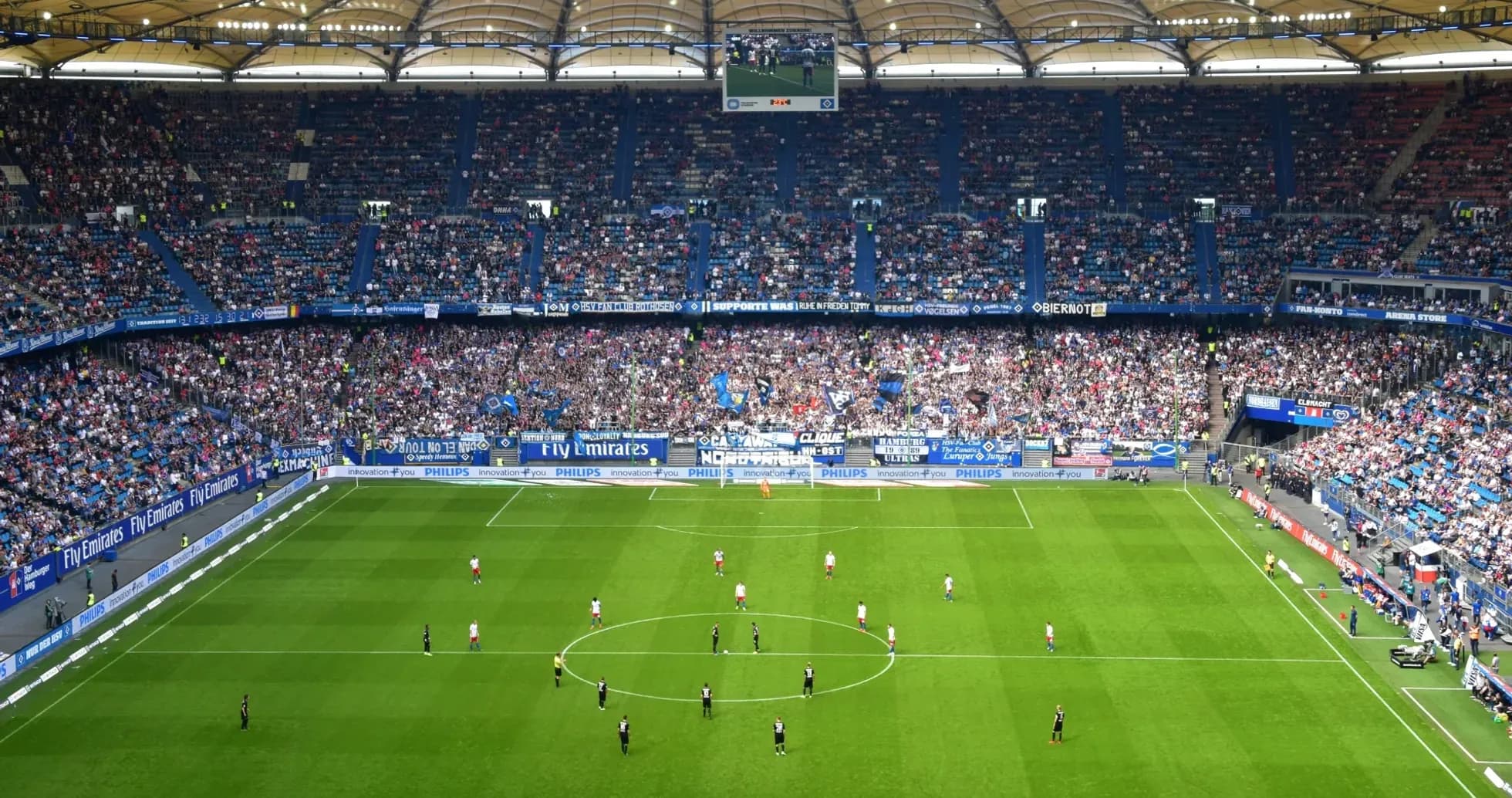
Stadio Giovanni Zini felt tense rather than celebratory as Cremonese and Torino walked out for this Serie A meeting in Round 33. The table framed everything: Cremonese, 17th with 28 points and a goal difference of -21 (26 scored, 47 conceded in total), are still living on the edge. Torino arrived in mid-table at 12th with 40 points but a similarly fragile goal difference of -17 (37 for, 54 against in total). Following this result, the 0-0 draw felt less like a stalemate and more like a snapshot of two teams wrestling with their own identities.
I. The Big Picture – Two Systems, One Stalemate
Cremonese, usually wedded to a back three this season (their most-used shape is 3-5-2 with 24 total appearances), flipped to a 4-4-2 under Marco Giampaolo. It was a pragmatic nod to circumstance as much as philosophy. With only 26 total goals all campaign and an average of 0.8 total goals per game, Giampaolo opted for structure and compactness over adventure.
The back four of F. Terracciano, F. Baschirotto, S. Luperto and G. Pezzella sat in front of E. Audero, with a narrow midfield band of R. Floriani, W. Bondo, A. Grassi and J. Vandeputte. Up front, F. Bonazzoli and A. Sanabria formed a functional, pressing duo rather than a free-flowing strike partnership.
Torino mirrored their season’s tactical DNA more closely. Leonardo Colucci leaned on a 3-4-1-2, one of the club’s staple structures (3-5-2 remains their main reference, but 3-4-1-2 has been used 8 times in total). A. Paleari was shielded by a back three of S. Coco, G. Maripan and E. Ebosse, with wing-backs M. Pedersen and R. Obrador stretching the pitch. In the middle, C. Casadei and G. Gineitis worked as a double pivot, while N. Vlasic floated as the connector behind G. Simeone and C. Adams.
Heading into this game, the numbers already hinted at the pattern we saw: Cremonese are low-scoring but occasionally stubborn. At home they average 0.8 goals for and 1.4 goals against, with 5 home clean sheets in total. Torino, on their travels, score 0.9 away goals on average and concede 1.8, but they also boast 7 away clean sheets in total. Two teams more comfortable spoiling than expressing ended up cancelling each other out.
II. Tactical Voids – The Missing Men
The team sheets were shaped as much by who was absent as who started.
Cremonese were stripped of attacking variety and midfield legs. M. Collocolo and M. Thorsby were both out injured, robbing Giampaolo of two box-to-box profiles who could have changed the rhythm of transitions. F. Moumbagna and J. Vardy, each sidelined by muscle injuries, removed the option of a true depth runner in behind or an experienced penalty-box predator late on. Y. Maleh’s suspension for a red card further thinned the central options.
Torino were no less hit. Z. Aboukhlal and N. Nkounkou’s injuries clipped their ability to threaten from wide and to overlap with real aggression. A. Ismajli’s suspension for yellow cards weakened the defensive rotation, while D. Zapata’s thigh injury meant Colucci had to lean even more heavily on G. Simeone as his primary reference point up front. Z. Savva’s knee injury removed one more creative wildcard from the bench.
In that context, the benches told their own story. Cremonese could turn to M. Djuric, D. Okereke and A. Zerbin for attacking changes, but none quite replicate Vardy’s penalty-box timing or Moumbagna’s direct running. Torino’s alternatives – S. Kulenovic and A. Njie among the forwards, plus a cluster of midfielders like A. Tameze, F. Anjorin and I. Ilic – gave Colucci more variety, but less pure firepower without Zapata.
Disciplinary tendencies also hovered over the contest. Cremonese’s season-long yellow card profile is heavily backloaded: 26.15% of their yellows arrive between 76-90’, and they have seen reds primarily in added time (66.67% of their red cards between 91-105’). Torino, meanwhile, spike in added time too, with 22.22% of their yellows between 91-105’. Both managers knew that the final quarter-hour would be as much about control as creation.
III. Key Matchups – Hunter vs Shield, Engine Room vs Enforcer
The clearest narrative thread was “Hunter vs Shield”: G. Simeone, Torino’s top scorer in Serie A with 9 total goals, against a Cremonese defence that concedes 1.4 total goals per game but has still managed 9 total clean sheets.
Simeone’s profile is that of a relentless presser and penalty-box forward. Across the season he has taken 48 total shots, with 25 on target, and drawn 33 fouls. Against a Cremonese back line marshalled by Baschirotto and Luperto, his movement was designed to exploit any hesitation between full-back and centre-back. Yet the home side’s decision to sit in a compact 4-4-2, with Bondo and Grassi screening the half-spaces, blunted the direct supply into him.
On the other side of the ball, Torino’s “shield” was built on structure rather than numbers. They concede 1.8 away goals on average, but those 7 away clean sheets reveal a team that can be brutally effective when they keep their distances tight. Maripan’s presence in the centre of the back three, flanked by Coco and Ebosse, allowed Vlasic to stay higher, ready to spring transitions instead of constantly dropping deep.
The “Engine Room” duel was more subtle but just as decisive. A. Grassi and W. Bondo had to balance risk and restraint. With Cremonese having failed to score in 16 total matches this season, any turnover in central areas risked feeding Torino’s most dangerous transition weapon: Vlasic.
Vlasic’s season numbers underline his dual role as creator and aggressor: 7 total goals, 3 total assists, 45 key passes and 51 dribble attempts with 25 successes. He is also combative without the ball, with 58 tackles and 19 interceptions. In this match, his position as a nominal “forward” behind Simeone and Adams meant he could step into pockets between Cremonese’s lines, testing the communication between Bondo, Grassi and the centre-backs.
G. Pezzella, starting as a left-back but statistically one of Cremonese’s most combative players, was another key node. Over the season he has made 45 tackles and blocked 11 shots, and his disciplinary record – 8 yellows and 1 red – mirrors the team’s broader edge. His duels with Pedersen and Vlasic on that flank were always going to set the tone. Pezzella’s willingness to step out aggressively helped pin Torino’s right side, but it also carried the risk of exposing the channel behind him.
IV. Statistical Prognosis – A Draw Written in the Numbers
Even without explicit xG values in the data, the season-long patterns offer a clear prognosis for what this fixture was always likely to be.
Heading into this game, Cremonese’s attack at home was anaemic: 13 home goals in 16 matches, averaging 0.8. They had failed to score in 7 home games and 16 in total. Torino, away from home, averaged 0.9 goals for but only 1.8 against, with those 7 away clean sheets underlining their capacity to shut games down when needed.
Overlay that with both sides’ disciplinary timelines – Cremonese’s late yellow surge (26.15% between 76-90’) and Torino’s tendency to pick up cards in added time (22.22% between 91-105’) – and the final phase was always likely to be fractious, stop-start, and short on composure in the final third.
The “Hunter vs Shield” battle tilted marginally towards the shields. Simeone’s 9 total goals this season speak to his threat, but against a Cremonese unit drilled into a low block and buoyed by the necessity of survival, his opportunities were restricted. At the other end, Bonazzoli and Sanabria toiled but rarely looked like overwhelming a Torino defence that, for all its flaws, has already produced 12 total clean sheets this campaign.
Following this result, the 0-0 feels less like a missed opportunity and more like a logical endpoint of the data. A low-scoring home side, shorn of key attacking pieces, met a structurally sound but inconsistent away team missing its own heavyweight striker. The tactical story was one of caution, containment and small margins – and the numbers had been pointing to that script all along.