Why Covering Your Mouth at the World Cup Leads to a Red Card: The 2026 Rule Explained
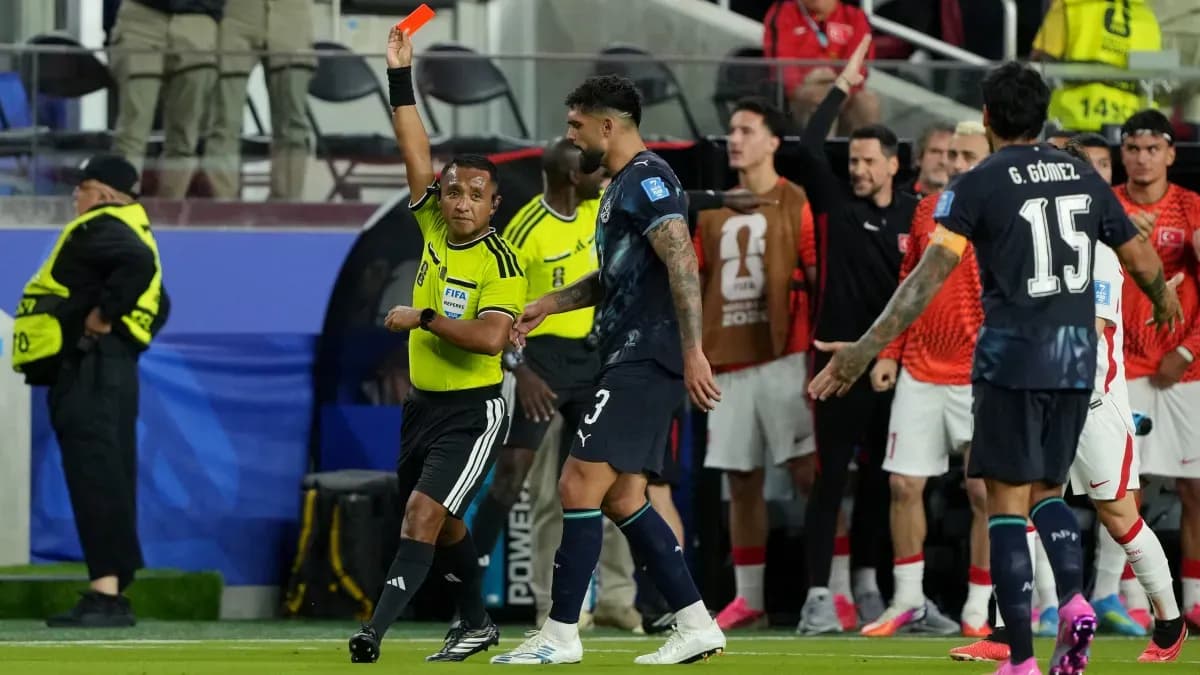
On June 20, during the World Cup match between Paraguay and Turkey, Miguel Almirón became the first player ever to receive a red card for covering his mouth while talking to an opponent. This action, which had never led to such punishment before, now carries an automatic sending off thanks to a fresh FIFA rule introduced just ahead of the 2026 tournament.
Why Did FIFA Introduce This Rule?
The rule came after a controversial episode earlier in the year in a Champions League game between Real Madrid and Atletico Madrid. During that February match, Atletico's Gianluca Prestianni covered his mouth when speaking to Real Madrid’s Vinicius Jr. Shortly after, Vinicius accused Prestianni of making a racist remark, which was later challenged by other players claiming it was homophobic language instead. Since no one could confirm exactly what was said due to the covered mouth, UEFA struggled to come to a firm decision. This confusion pushed FIFA to act and create a rule forbidding players from hiding their words by covering their mouths.
Details Behind the Rule
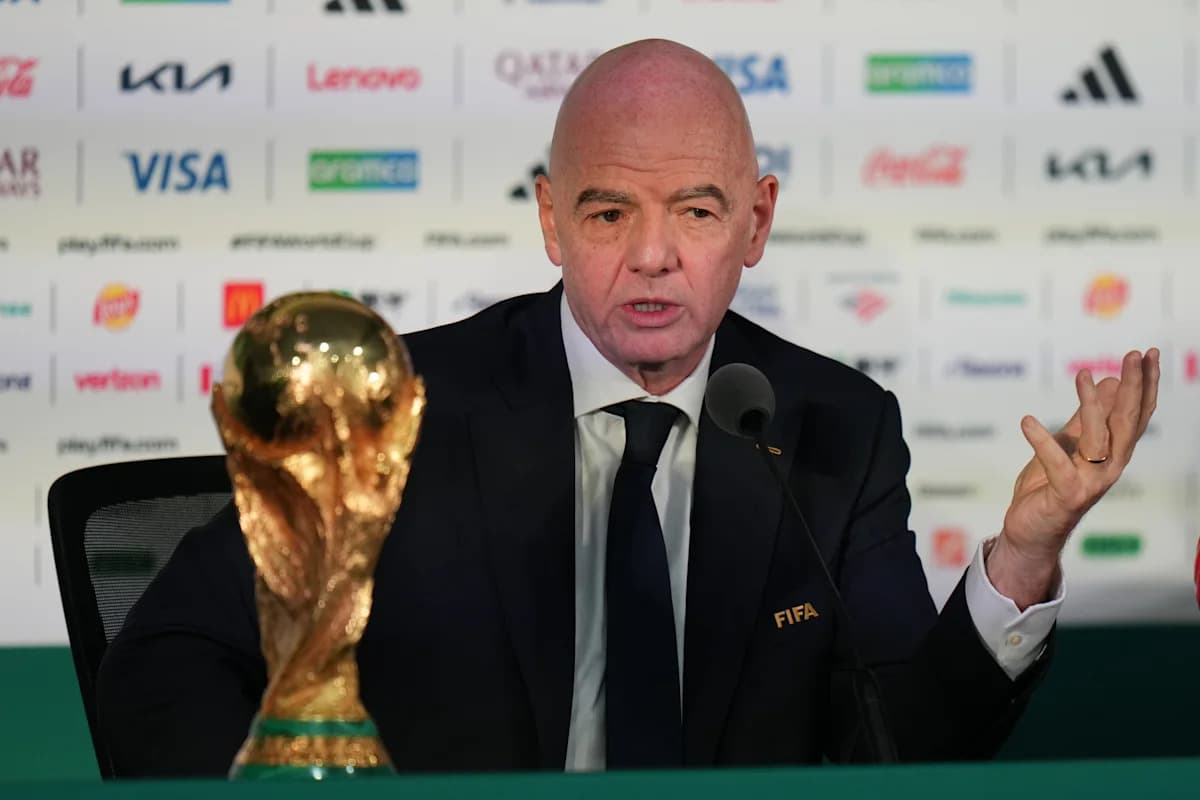
In April 2026, the International Football Association Board (IFAB) met and agreed that any player caught covering their mouth while engaging with an opponent during a confrontation should be immediately shown a red card. This was designed to prevent players from shielding abusive or discriminatory language from being witnessed and verified. FIFA explained the new rule following the VAR review that led to Almirón's dismissal:
Following a VAR review in the FIFA World Cup match between Türkiye and Paraguay, Miguel Almirón was shown a red card for covering his mouth.Following a special meeting of The IFAB held in April, several amendments were introduced to be implemented at the FIFA World Cup 2026.
The Impact So Far at the 2026 World Cup
Miguel Almirón’s sending off marked a historic moment as the first enforcement of this regulation on football’s biggest stage. Despite Paraguay winning that game 1-0, his red card stands as a warning for all players.
But he wasn't alone. On June 30, Piero Hincapié from Colombia also saw red during injury time against Mexico after covering his mouth to speak to Mexico’s Santiago Jiménez. Hincapié had been involved in heated exchanges throughout the match, but his dismissal under the new rule ended his World Cup run early.
Fans Have Nicknamed It "The Prestianni Law"
This nickname emerged from the original incident in the Champions League involving Prestianni and Vinicius Jr. It reflects how the rule is seen as a direct response to that unresolved dispute. Fans have shared clips and comments online emphasizing how covering the mouth will now result in a red card, regardless of what was actually said.
What This Means Moving Forward
We think this rule aims to bring more transparency to player interactions and reduce hidden abuse on the pitch. Maybe it will encourage more open communication and less foul language since players know they can’t hide behind their hands anymore. It's a strict measure but one that might help curb offensive conduct that has previously gone unpunished.