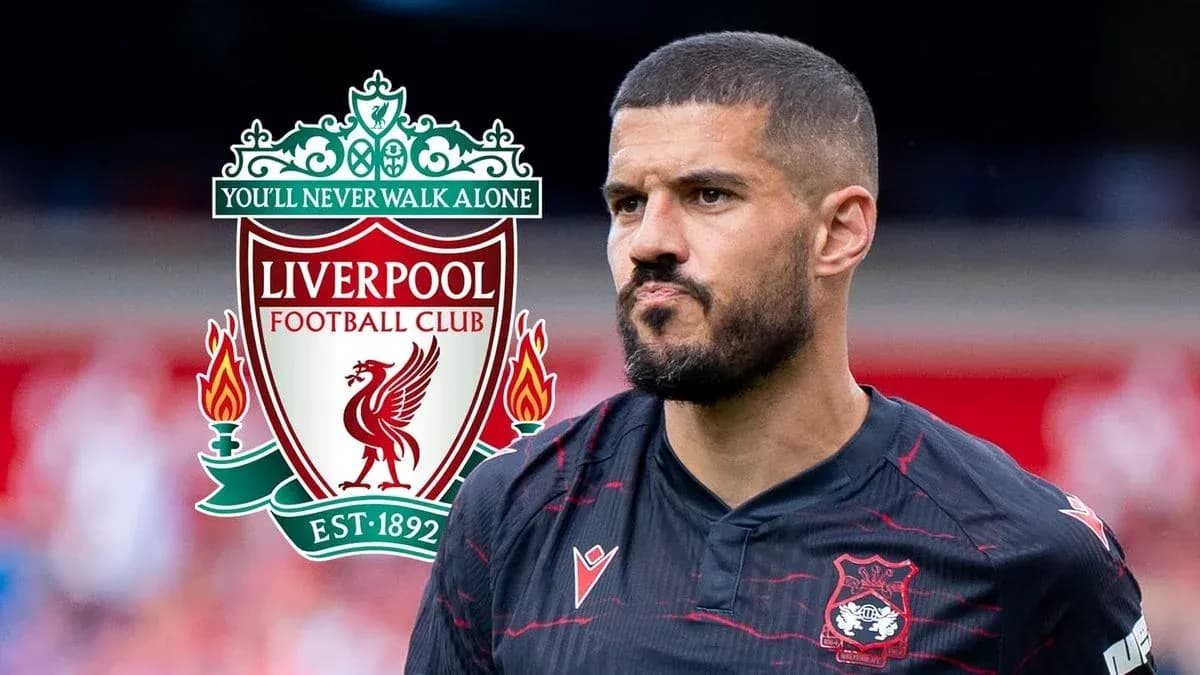
Conor Coady's Journey: From Wrexham Exit to Liverpool Academy Role
Conor Coady is back where it all began – and he might just be shaping his future as much as Liverpool’s.
Released by Wrexham this week after being deemed surplus to requirements by Phil Parkinson, the 33-year-old has quietly slipped back into Kirkby, taking up a short-term role with Liverpool’s academy and training with the under-21s.
It is not a farewell tour. Not yet.
From Wrexham exit to Liverpool return
Coady’s departure from Wrexham had been coming. He did not make a single matchday squad in their first five games of the season in any competition, and after a loan spell at Charlton Athletic last term that brought 12 Championship appearances but no permanent deal, his future looked increasingly uncertain.
At Charlton, he ended the season in defensive midfield, a throwback to his early years. Before Wolves converted him into a centre-back, Coady had built his reputation as a holding midfielder at Liverpool’s academy, then at Sheffield United and Huddersfield Town.
Now, after leaving Wrexham and with the transfer window closed, he is a free agent, able to sign for a new club at any time. But he is in no rush to jump at the first offer.
Speaking on BBC Radio 5 Live, Coady made it clear he wants more than just a contract.
“I’m lucky enough to get the opportunity to go into Liverpool’s under-21s,” he said. “I’m doing a little bit of coaching with the boys, which has been brilliant.
“I want to make a difference, whether that’s on or off the pitch. I want to be a real driving force. I struggled to get that at Wrexham, for one reason or another, and didn’t get the opportunity to do so. I’m craving that, if I’m being honest.”
A hybrid role taking shape
At Liverpool, Coady has slotted into a familiar environment with a slightly unfamiliar twist. He is working alongside the club’s academy staff, shadowing coaches and helping with sessions, while also pulling his boots back on when needed.
“The lads at Liverpool are amazing with me,” he explained. “The players, but also Jay Spearing and (U21 head coach) Rob Page who gave me the opportunity to come in, mirror them a little bit, be in the office before training and look at how they plan a session.
“If they need numbers, I’ll jump in and keep myself fit as well. That’s what it’s looking like at the minute.”
That dual role – part mentor, part teammate – is becoming a familiar tool in elite academies. Manchester United have leaned on it in recent seasons, bringing Paul McShane back into their U23s as a player-coach before turning to Tom Huddlestone in a similar capacity. Premier League 2 rules allow up to five overage players in a side, a loophole clubs are using to raise standards in youth squads.
Liverpool already have one such figure in Spearing, who returned in 2022 to work in the academy while also featuring for the under-21s. Coady’s presence adds another seasoned professional voice to that mix, and potentially gives him a bridge between the last years of his playing career and a full-time future in coaching.
Back to where it started
For Coady, this is not just any club stopover. He joined Liverpool’s academy at 12, signed his first professional contract in 2011 and made two senior appearances in the 2012/13 season before heading out on loan to Sheffield United. A permanent move to Huddersfield followed, then Wolves, England caps, and a career that has taken him far from Merseyside.
Now he is back on familiar pitches, but with a very different perspective. He is no longer the kid looking up at first-team stars; he is the one younger players listen to.
“I’m not someone who can just sit on my hands and just enjoy going into training, come home and everything’s good and you pick up your wages,” he said. “It definitely needs to be the right opportunity and the right club because I feel like I’ve chased a little bit over the last couple of years and I don’t want to carry on doing that.”
That line tells its own story. Coady is not closing the door on playing – far from it – but he wants influence, responsibility, purpose. Liverpool’s under-21s offer him all three, even if only temporarily.
He is learning in the office before training, stepping onto the grass when numbers are short, and staying sharp for whatever comes next. Whether that turns into a formal player-coach role, a final playing move, or the first step into a full-time coaching career, he has put himself back in a place that demands high standards.
And for a boyhood Red who still believes he can be a “driving force”, there are few better proving grounds than Liverpool’s academy.