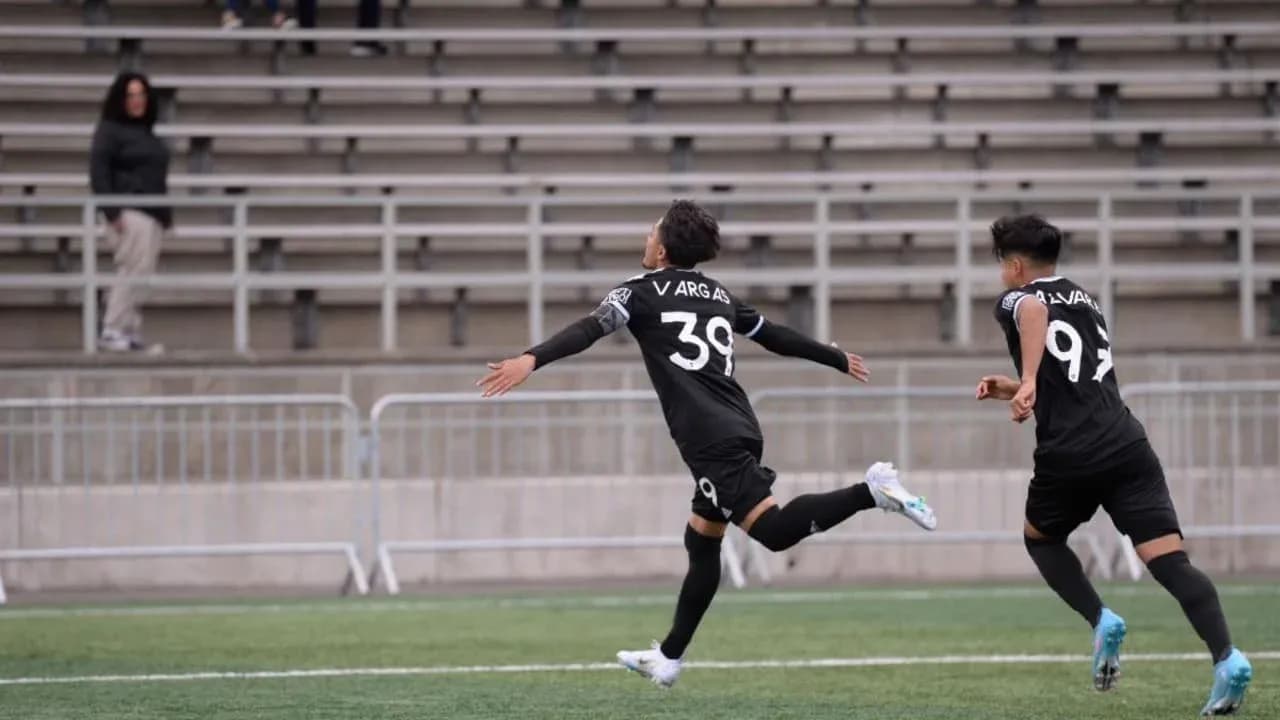
Connecticut FC vs Philadelphia Union II: Key MLS Next Pro Clash
Connecticut FC host Philadelphia Union II at Morrone Stadium in an early but already significant MLS Next Pro group-stage fixture in 2026: in the league phase, Connecticut sit 6th in the Northeast Division and 12th in the Eastern Conference on 6 points with a -4 goal difference (9 scored, 13 conceded), while Union II are 3rd in the Northeast and 5th in the Eastern Conference on 11 points with a +3 goal difference (8 scored, 5 conceded) and currently tracking towards the MLS Next Pro play-offs 1/8-finals. For Connecticut, this is a pressure game to stop a negative trend and stay in touch with the play-off race; for Union II, it is a chance to consolidate a top-8 position and maintain promotion play-off momentum.
Head-to-Head Tactical Summary
The only recent meeting on record came on 15 March 2026 at Subaru Park in the MLS Next Pro group stage, where Philadelphia Union II hosted Connecticut FC. Union II led 1-0 at half-time, but Connecticut turned the game around to win 2-1 by full time. That match showed Connecticut’s capacity to recover away from home and exposed Union II’s vulnerability in game management once ahead, despite their generally solid defensive record in the league phase.
Global Season Picture
- League Phase Performance: In the league phase, Connecticut FC have 6 points from 6 matches (2 wins, 0 draws, 4 losses) with 9 goals for and 13 against (goal difference -4). Philadelphia Union II have 11 points from 6 matches (4 wins, 0 draws, 2 losses) with 8 goals for and 5 against (goal difference +3). Connecticut’s numbers point to a fragile defense (13 conceded) and inconsistent attack, while Union II combine a controlled attack with a relatively tight back line (5 conceded).
- All-Competition Metrics: Across all phases of the competition, Connecticut average 1.5 goals scored and 2.2 conceded per match, highlighting an open but defensively exposed profile (9 goals for, 13 against over 6 games). They have not kept a clean sheet yet (0 total) and concede heavily between minutes 16-60 (10 of 13 goals in that window), with a high disciplinary load late in games (yellow-card peak in 76-90 minutes and a red card in that same range). Philadelphia Union II average 1.5 goals scored and only 0.8 conceded per match across all phases, underlining a compact, efficient defensive unit (9 for, 5 against). They have 2 clean sheets, and most goals conceded arrive late (3 of 5 between minutes 76-90), suggesting occasional late-game drops in concentration. Both sides have yet to take a penalty, so set-piece conversion from the spot has not been a factor in their campaigns.
- Form Trajectory: Connecticut’s league-phase form string is “LLLWL”: three straight losses, a win, then another loss. This indicates a team still searching for stability, with momentum mostly negative and confidence fragile. Philadelphia Union II’s league-phase form is “LWWLW”: after an opening defeat, they responded with two wins, then alternated loss and win. The pattern shows a generally upward trajectory with only isolated setbacks, consistent with a side in the upper half of the table pushing for play-off seeding.
Tactical Efficiency
Without explicit attack/defense index values in the comparison block, we infer tactical efficiency by aligning the all-phases averages with the league-phase output profile. Across all phases, Connecticut’s 1.5 goals scored per match against 2.2 conceded reflects a high-risk, low-control game model: they create and convert enough to stay competitive but are undermined by a leaky defense and the absence of clean sheets. Their scoring spread across minutes 31-45 and 76-90 suggests they can surge in both the closing stages of each half, but the concession pattern in the same bands (especially 31-60) points to structural instability rather than simple variance.
Philadelphia Union II’s 1.5 goals scored and 0.8 conceded across all phases indicate a more balanced, efficient side: they do not overwhelm opponents in attack but pair consistent chance conversion with strong defensive control, particularly in the first 75 minutes. The late concession cluster (3 of 5 goals against in minutes 76-90) is the main tactical red flag and matches the scenario from the March 15 meeting where they lost a game they were leading. In comparative terms, Union II’s “defense index” profile clearly outperforms Connecticut’s, while both show similar attacking productivity; that gap in defensive efficiency is the central tactical edge Union II bring into this fixture.
The Verdict: Seasonal Impact
From a seasonal perspective, this match carries asymmetrical but substantial weight. For Connecticut FC, a home win would lift them towards mid-table safety in both the Northeast Division and Eastern Conference, stabilizing a poor “LLLWL” league-phase run and re-opening a realistic path towards the outer edges of the play-off conversation. Defeat, however, would deepen their negative goal difference, leave them stuck on 6 points, and begin to tilt the narrative from “slow start” towards a genuine relegation-risk profile within the conference hierarchy, especially given their inability to keep clean sheets across all phases.
For Philadelphia Union II, victory would likely cement their top-3 status in the Northeast Division and strengthen their 5th-place Eastern Conference position, consolidating their trajectory towards the MLS Next Pro play-offs 1/8-finals and possibly improving their seeding. Dropped points, particularly a loss, would not immediately remove them from the play-off frame but would compress the table around them and re-open questions about their capacity to manage leads and close out games, especially away from home. In strategic terms, this fixture is a potential inflection point: for Connecticut, it is about survival and re-entry into the play-off discussion; for Union II, it is about confirming themselves as a consistent upper-tier side rather than a volatile contender vulnerable to swings in single-game management.