Club Brugge KV vs Marseille: UEFA Champions League Clash Analysis
At Jan Breydel Stadion, Club Brugge KV host Marseille in a UEFA Champions League league-stage clash on 28 January 2026 (20:00 UTC). Brugge arrive 27th in the overall table with 7 points, while Marseille sit 19th with 9 points and a play-off-spot description, underlining the stakes for both sides.
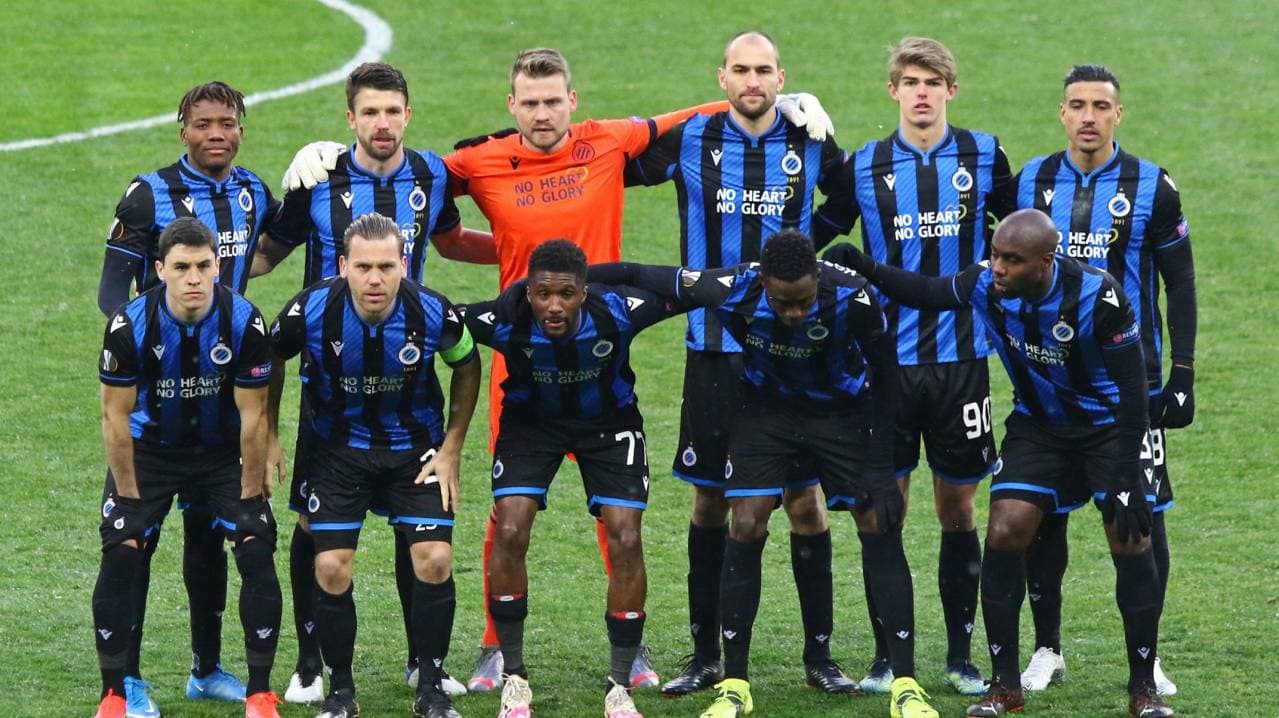
Squad Analysis: Club Brugge KV
Across 7 Champions League league-stage matches, Club Brugge have scored 12 goals (1.7 per game) but conceded 17 (2.4 per game), leaving them with a –5 goal difference. The numbers point to a volatile campaign: Brugge have not kept a clean sheet in the competition so far, and their defensive record has been a decisive factor behind their position near the bottom of the overall table.
Hans Vanaken is the central figure. In 9 appearances he has 4 goals and 4 assists, directly contributing to 8 goals. His 681 completed passes and 26 key passes, plus a 7.83 rating, show how much Brugge’s buildup flows through him. He also adds defensive work with 13 tackles and 6 interceptions.
Creativity out wide takes a hit with Christos Tzolis ruled out through injury despite leading the entire competition in assists with 5, alongside 2 goals in 8 games. His 26 shots (16 on target) and 25 key passes underline the void he leaves. Depth is further tested by the absences of L. Audoor and D. van den Heuvel, thinning options, particularly in rotation.
Brugge’s scoring profile is explosive before half-time: 10 of their 25 goals (40%) arrive between minutes 31–45, and another 4 in the opening 15 minutes. However, they have kept just 2 clean sheets in 11 matches and have failed to score 3 times, underlining volatility.
Squad Analysis: Marseille
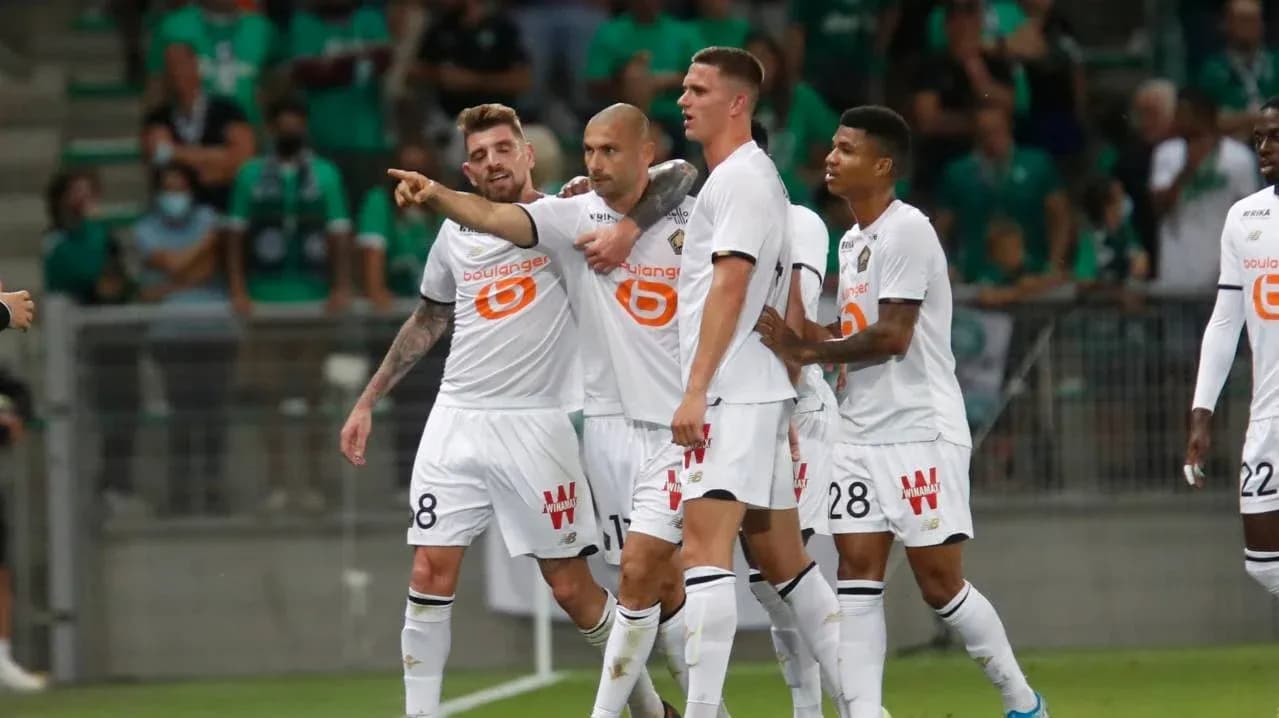
Marseille’s European numbers are more balanced but less prolific. In 7 Champions League fixtures they have 11 goals for and 11 against, averaging 1.6 scored and 1.6 conceded. Away from home they have 5 goals in 3 games (1.7 per match) but concede 2.0 on the road, slightly worse than their overall defensive rate.
Igor Paixão is their leading scorer with 4 goals in 7 appearances, converting 14 shots (6 on target). His 7.3 rating and 1 assist highlight his dual threat as finisher and secondary creator. Pierre-Emerick Aubameyang adds another dimension with 3 goals and 4 assists in 7 games, meaning he has directly contributed to 7 of Marseille’s 11 Champions League goals (63.6%). His 14 shots with 9 on target and 8 key passes show a complete attacking profile.
Defensively, Marseille have managed just 1 clean sheet in 7 games and have failed to score twice, indicating inconsistency at both ends. Their concession pattern is worrying late on: 4 of their 11 goals against (36.4%) come between minutes 76–90, hinting at vulnerability in closing stages.
Injuries further complicate matters. Emerson is out with a thigh injury, while B. Pavard is suspended for yellow cards, removing an experienced defender. N. Maupay and T. Vermot are also unavailable, reducing attacking and depth options. B. Nadir is questionable through illness, adding uncertainty.
Key Matchups & Tactical Trends
The headline battle is Hans Vanaken vs the Marseille defensive unit. Vanaken’s 4 goals and 4 assists face a back line conceding 1.6 goals per game overall and 2.0 away. With Brugge averaging 3.2 goals per home match, Marseille’s Pavard-less defense must contain a midfielder who has attempted 19 dribbles (14 successful) and won 45 of 87 duels.
At the other end, Igor Paixão’s finishing and Aubameyang’s creativity go up against a Brugge defense allowing 1.8 goals per game and only 2 clean sheets. Marseille’s attack averages 1.7 goals away, and they are particularly dangerous early: 4 of their 11 goals (36.4%) arrive in the first 15 minutes and another 4 between 46–60. This collides with Brugge’s tendency to concede late, with 4 of their 20 goals against (20%) coming between 76–90, and a steady spread of 3 goals conceded in each earlier 15-minute block from 0–75.
Statistically, this is an attacking clash. Brugge’s 25 goals in 11 games significantly outstrip Marseille’s 11 in 7, but Marseille’s goals-against total (11) is better than Brugge’s 20, suggesting a more compact structure when organized. Both sides see a majority of matches go over 0.5 goals (Brugge 8 of 11, Marseille 5 of 7), but Brugge have crossed the 2.5-goal threshold in 6 of 11 fixtures, compared to Marseille’s 2 of 7, hinting that the Belgian side tends to produce more open contests.
Discipline could influence the tempo. Brugge’s yellow cards cluster between 61–90 minutes, with 7 of their cautions (58.33%) arriving after the hour mark, while Marseille spread bookings more evenly, with 4 yellows between 46–60 and another 4 from 76–90. Marseille have also seen 1 red card in the 46–60 range, suggesting some risk if the game becomes stretched after half-time.
Verdict
Numbers point to Club Brugge as the more explosive attack, with 25 goals and a 3.2-goals-per-home-game record, driven by Vanaken’s 8 direct goal contributions. Marseille, with only 11 goals but just 11 conceded and a better overall goal difference (0 vs Brugge’s -5 in standings play), profile as the slightly sturdier defensive outfit despite key absences. Expect chances at both ends, with Brugge’s attacking volume against Marseille’s more measured but efficient front line.