Chicago Red Stars W Clinch 2–0 Victory Over Boston Legacy W
Chicago Red Stars W used clinical finishing and a compact 4-2-3-1 block to beat Boston Legacy W 2–0 at Northwestern Medicine Field at Martin Stadium in this NWSL Women group-stage fixture. Despite trailing in possession and being outshot 22–4, Martin Sjogren’s side managed the game territorially, protected their box, and relied on an outstanding goalkeeping display from Katie Lund to secure the clean sheet. Jordyn Huitema’s early strike set the tone, and a second-half goal from Nádia Gomes, created by Ryan Gareis, gave Chicago the cushion they needed to absorb heavy pressure from a front-loaded Boston structure.
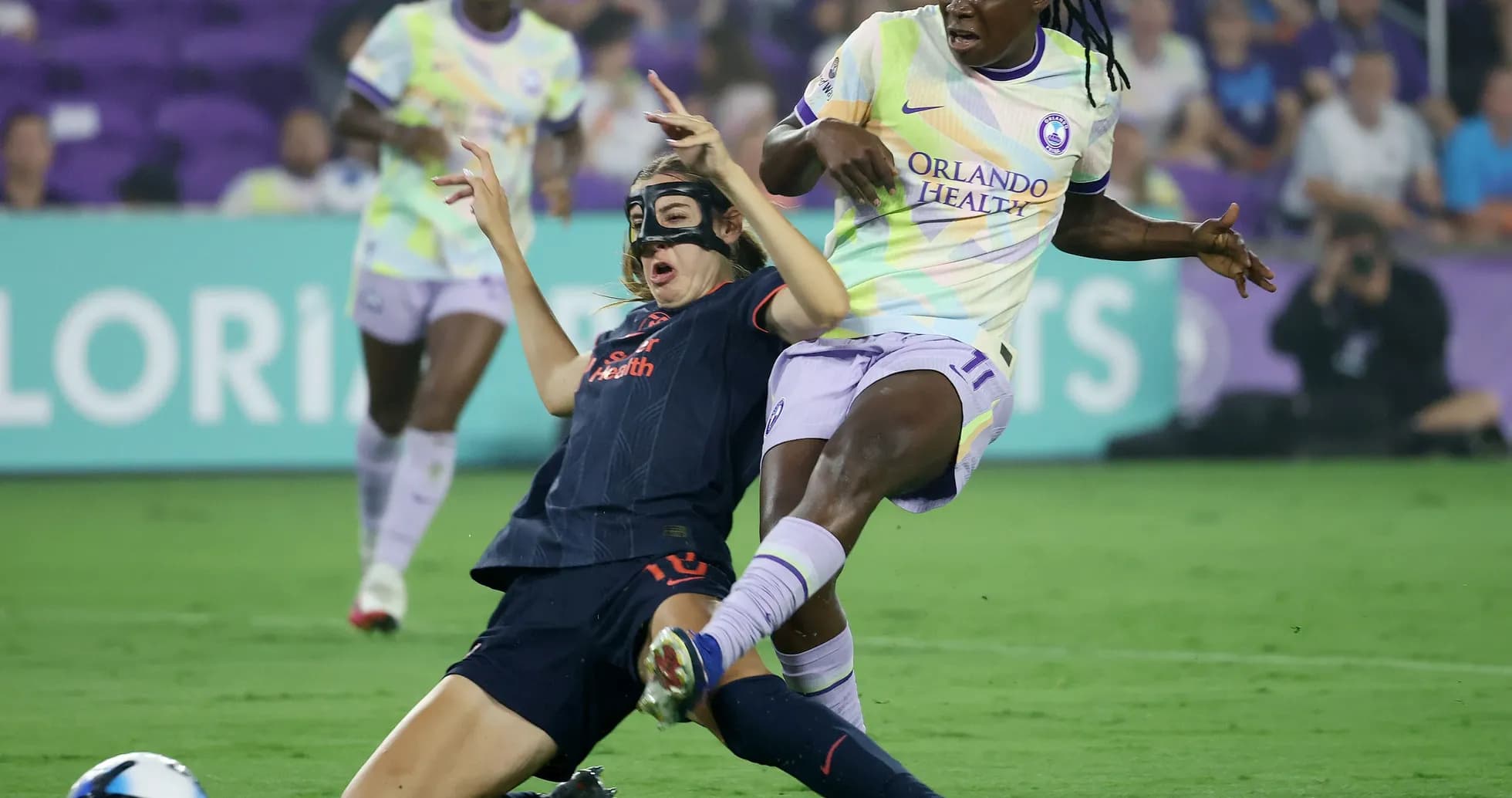
The scoring opened on 10', when Jordyn Huitema converted a normal goal for Chicago Red Stars W, finishing one of only four total shots her side would take all night. That early breakthrough allowed Chicago to lean into a more controlled, defensive posture. Disciplinary tension began to build in midfield: on 27', Aaliyah Farmer received a yellow card for a foul, the first booking of the match and a signal of Chicago’s willingness to disrupt Boston’s rhythm.
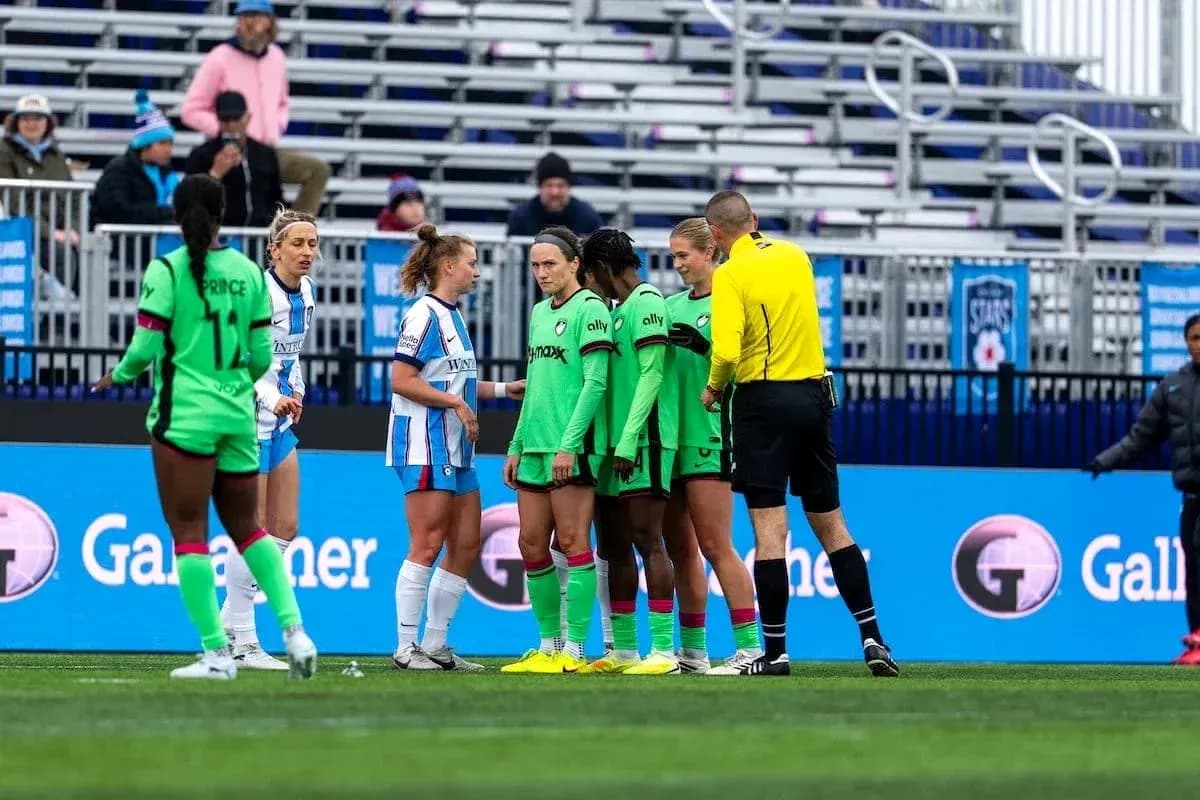
On 33', Julia Grosso was shown a yellow card for argument, reflecting Chicago’s emotional investment in protecting their lead and contesting marginal decisions in central areas. Boston’s first and only card came on 40', when Nichelle Prince was booked for a foul, underlining the physical edge in duels as Legacy tried to recover the deficit before halftime. The interval arrived with Chicago 1–0 ahead.
The decisive second goal arrived on 51'. Nádia Gomes scored a normal goal for Chicago Red Stars W, assisted by Ryan Gareis, whose involvement between the lines had been one of the few Chicago outlets in transition. At 2–0, Chicago could fully commit to a low-to-mid block and counter-attacking posture.
Boston’s response was immediate and aggressive in personnel terms. On 59', Barbara Olivieri (IN) came on for Amanda Gutierres (OUT), adding a more attack-minded profile between the lines. Simultaneously, Amanda Allen (IN) replaced Nichelle Prince (OUT), refreshing the wide forward role after Prince’s booked, high-intensity first half. Chicago reacted on 60', with Leilanni Nesbeth (IN) coming on for Emma Egizii (OUT), injecting fresh legs into the double pivot area to help close central spaces. Also on 60', Ella Stevens (IN) entered for Josefine Hasbo (OUT) for Boston, another attacking substitution aimed at increasing creativity and late runs into the box. No further goals or cards followed, and Chicago managed the remaining half-hour to see out a 2–0 win.
Tactical Analysis
Tactically, this match was defined by contrast: Boston Legacy W’s territorial dominance against Chicago Red Stars W’s compact efficiency. Chicago’s 4-2-3-1, with Katie Lund behind a back four of Michelle Alozie, Kathrin Hendrich, Sam Staab, and Tessa Dellarose, prioritized central protection and penalty-box density. The double pivot of Aaliyah Farmer and Emma Egizii screened passing lanes into Josefine Hasbo and Annie Karich, forcing Boston to circulate wide and attack through crosses and cutbacks rather than clean central combinations.
In possession, Chicago were minimalist. With just 207 total passes at 69% accuracy and 45% ball possession, they rarely sustained long phases. Instead, they targeted early progression into the attacking midfield trio of Nádia Gomes, Julia Grosso, and Ryan Gareis, supporting lone striker Jordyn Huitema. The first goal at 10' epitomized this: quick vertical play, limited touches, and immediate exploitation of space before Boston’s 3-3-1-3 structure could reset. Huitema’s presence as a reference point allowed Chicago to clear long under pressure, and her hold-up and channel running helped them win time and draw the defensive line back.
Boston’s 3-3-1-3 was bold: Casey Murphy behind a back three of Bianca St Georges, Laurel Ansbrow, and Emerson Elgin, with a midfield line of Alba Caño, Annie Karich, and Josefine Hasbo, and an aggressive front four shape in practice as Amanda Gutierres connected midfield to a front line of Nichelle Prince, Aissata Traore, and Samantha Rose Smith. This structure produced volume: 55% possession, 255 passes at 79% accuracy, and a massive 22 total shots, including 20 inside the box. Yet the shot quality and execution were undermined by Chicago’s low block and Lund’s positioning.
Goalkeeper reality was decisive. Katie Lund made 6 saves, all the more impressive given Boston’s 6 shots on goal and constant penalty-area traffic. Her command of crosses, angles on cutbacks, and timing in one-v-one situations effectively neutralized the volume Boston generated. At the other end, Casey Murphy recorded 0 saves; Chicago’s 2 shots on goal both resulted in goals, underlining the clinical nature of the hosts’ finishing and the defensive lapses in Boston’s box coverage.
The substitutions underlined each coach’s tactical priorities. Boston’s triple change sequence between 59' and 60' (Olivieri, Allen, Stevens all IN) was an attempt to overload Chicago’s tiring midfield and back line with fresh attacking profiles. Chicago’s introduction of Leilanni Nesbeth for Emma Egizii at 60' was more conservative: preserving the integrity of the double pivot, adding energy and legs to continue closing half-spaces and tracking late runners from Boston’s second line.
Statistically, Boston Legacy W carried the initiative but lacked incision. Their 22 total shots to Chicago’s 4, plus a 5–2 edge in corner kicks and a lower foul count (4 to Chicago’s 8), suggest territorial and structural superiority in much of the open play. The absence of recorded xG data makes precise chance quality comparison impossible, but the pattern is clear: Boston accumulated volume, Chicago maximized efficiency.
Chicago’s 2 yellow cards (Farmer for a foul, Grosso for argument) contrasted with Boston’s single yellow for Nichelle Prince (foul), reflecting how often Chicago had to break up play and contest decisions under pressure. Yet those tactical fouls and emotional responses were part of a broader defensive identity: a side willing to sacrifice fluidity and possession for compactness and penalty-box protection.
From a form perspective, Chicago’s overall performance profile here is that of a team comfortable without the ball, leaning on a strong Defensive Index anchored by Lund’s 6-save clean sheet and a disciplined back four. Boston’s overall form data in this match shows a side capable of controlling tempo and territory but currently lacking the penalty-box sharpness and defensive concentration to convert that dominance into results.