Celtic Support Divided Over Robbie Keane's Potential Appointment
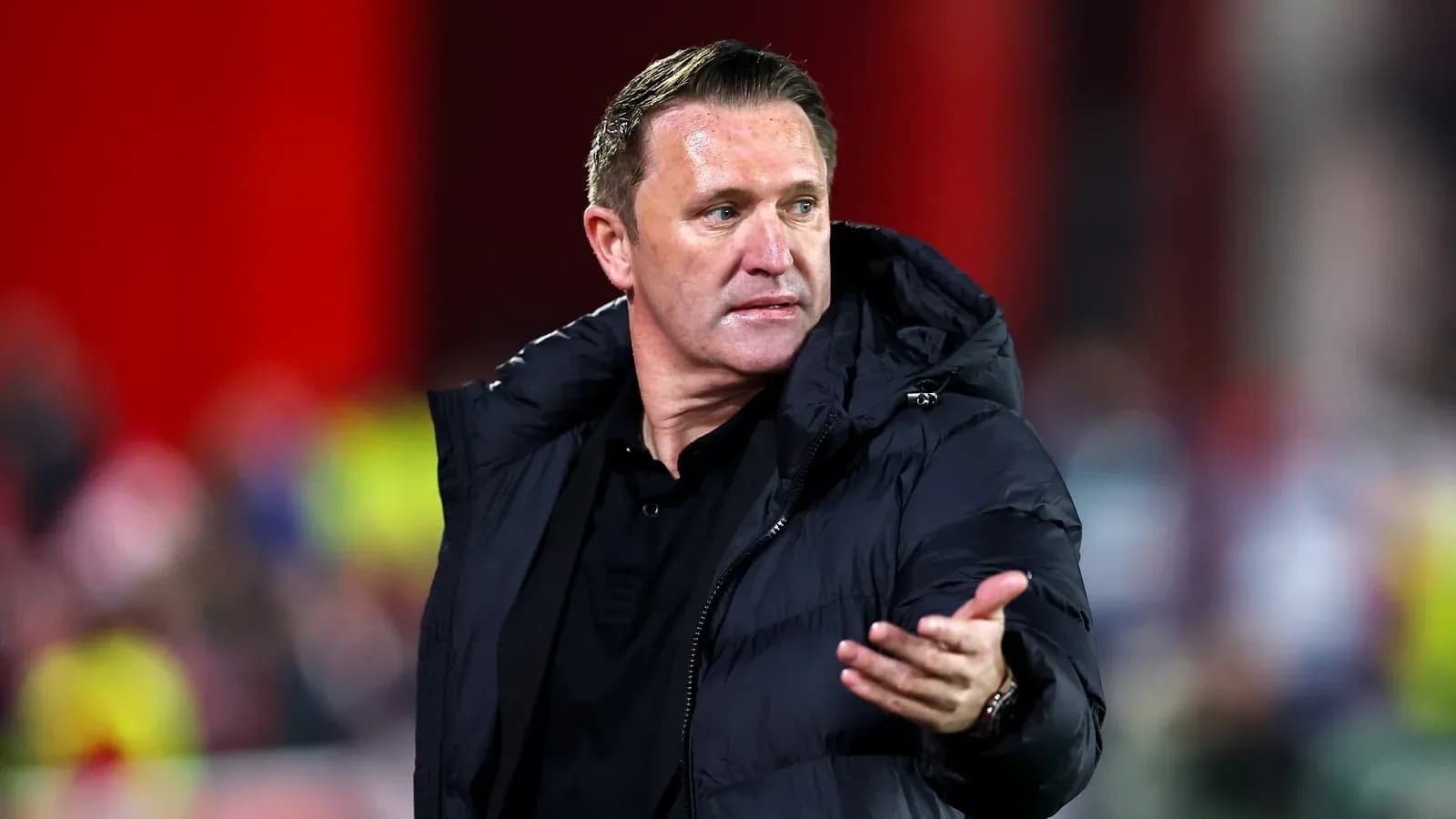
Robbie Keane’s name once meant goals and glamour at Celtic Park. Now it sits at the heart of a political and moral storm that has cut through the club’s support.
Dozens of Celtic supporters’ clubs have publicly opposed the potential appointment of the former Republic of Ireland captain as manager, citing his decision to work for Maccabi Tel Aviv during Israel’s war in Gaza.
Keane is among the leading contenders for the job and is understood to be in ongoing talks with principal shareholder Dermot Desmond. On football terms, the case for him is easy to sketch: a prolific loan spell at Celtic in 2010, league titles in both Israel and Hungary, and the profile of a record international goalscorer.
The argument against him is being drawn on walls and bedsheets outside the stadium.
Graffiti and banners rejecting the idea of Keane in the Celtic dugout have appeared around Celtic Park in recent days. An online statement from a group styling itself Celtic Fans for the Liberation of Palestine lit the fuse; what followed has been a show of organised resistance.
North Curve Celtic, the prominent matchday fan group, has since published a list of 67 supporters’ organisations that have endorsed that statement. It is not a fringe roll call. The Green Brigade and Bhoys Celtic ultras are on it, as are long-running institutions such as Glasgow University Celtic Supporters Club and Craigneuk Tommy Gemmell CSC. Well-known fan media platforms including the Cynic and eTims have also added their names.
The message they have backed is stark.
The statement frames Celtic’s identity through its historic links to Irish famine, displacement and social struggle, and insists that solidarity with Palestinians is part of that story. It argues that Keane’s choice to manage Maccabi Tel Aviv “during the genocide in Gaza” cannot be brushed aside, describing his decision to work in Israel “while, less than 40 miles away, the same country was using indiscriminate weapons of mass murder against defenceless people” as “unconscionable”.
The signatories warn that appointing Keane now, at a time they believe demands “greater ambition”, would be “deeply divisive” and “predictable and uninspiring”. Their demand to the board is blunt: listen to supporters and “reconsider this appointment”.
Keane took the Maccabi job in June 2023, months before the Hamas-led attacks of 7 October and the subsequent Israeli bombardment of Gaza, which has killed more than 70,000 people. An independent UN commission reported last October that Israel had committed genocide against Palestinians in Gaza.
As the conflict escalated, Keane’s decision to remain in his post drew criticism in Ireland and among sections of the Celtic support. He stayed, guided Maccabi to a league and cup double, then resigned in the summer of 2024.
When he later explained his choice to see out the season, Keane pointed to his staff and the commitments he felt towards them. He spoke of an analyst who had left Middlesbrough after 12 years to follow him to Israel and said he could not “just walk away, leaving him and his family”. Keane said he and his staff decided together to finish the campaign and then walk away, even though it meant giving up a lucrative contract that could have run for another year or two.
Inside Celtic, the managerial search is supposed to be about football direction and trophies. Outside, at the railings and on the walls, the debate is about something far bigger. The board now has to decide whether it can push through a controversial appointment in the face of organised, values-driven opposition from parts of its own support – or whether this moment forces a different kind of call.