Bournemouth's Historic European Win: From -17 to Europe
The banner in the away end at Anoeta said it all: “From -17 to Europe.”
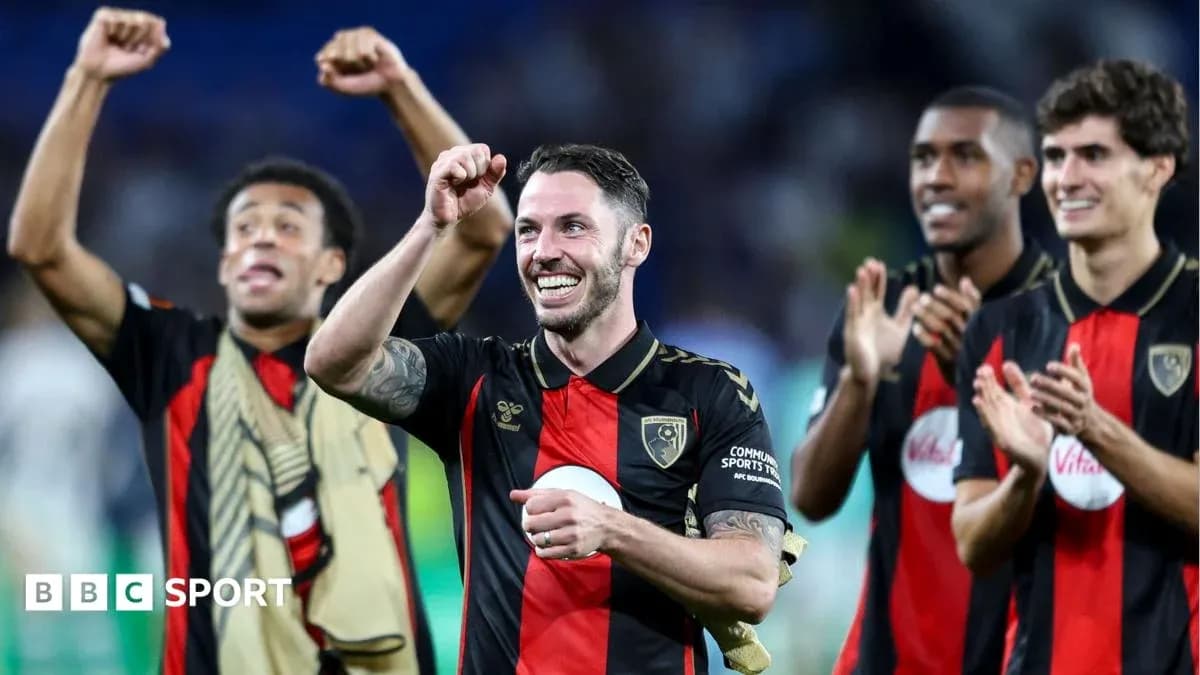
On a warm night in San Sebastián, it felt less like a slogan and more like a pinch-yourself punchline. Bournemouth, a club that once started a season buried under a 17-point deduction just to stay in the Football League, walked into their first-ever European game and beat Real Sociedad 2-1 in the Europa League. Not clung on. Not fluked it. Beat them.
“This is a brilliant win in our first European game. It’s brilliant for the club and the 2,000 fans from Bournemouth,” manager Marco Rose told TNT Sports. He didn’t oversell it. He didn’t have to.
From brink to bright lights
For a growing generation of Bournemouth supporters, the Premier League is all they’ve really known. It’s been 11 years since the Cherries first reached the top flight, long enough for younger fans to assume that trips to Old Trafford and Anfield are standard issue.
Those who remember what came before watched Anoeta with a different kind of awe.
Eighteen years ago, Bournemouth were scrambling for survival. Administration brought a 10-point deduction and relegation to League Two. To even stay in the Football League for 2008-09, they had to swallow a 17-point penalty and agree not to appeal, after failing to secure a Company Voluntary Arrangement that met the terms of exiting administration.
Back then, the idea of a £100m-rated midfielder threading passes to a Brazil winger to win a European tie was pure fantasy. The club was fighting for its life, not dreaming of Thursday nights on the continent.
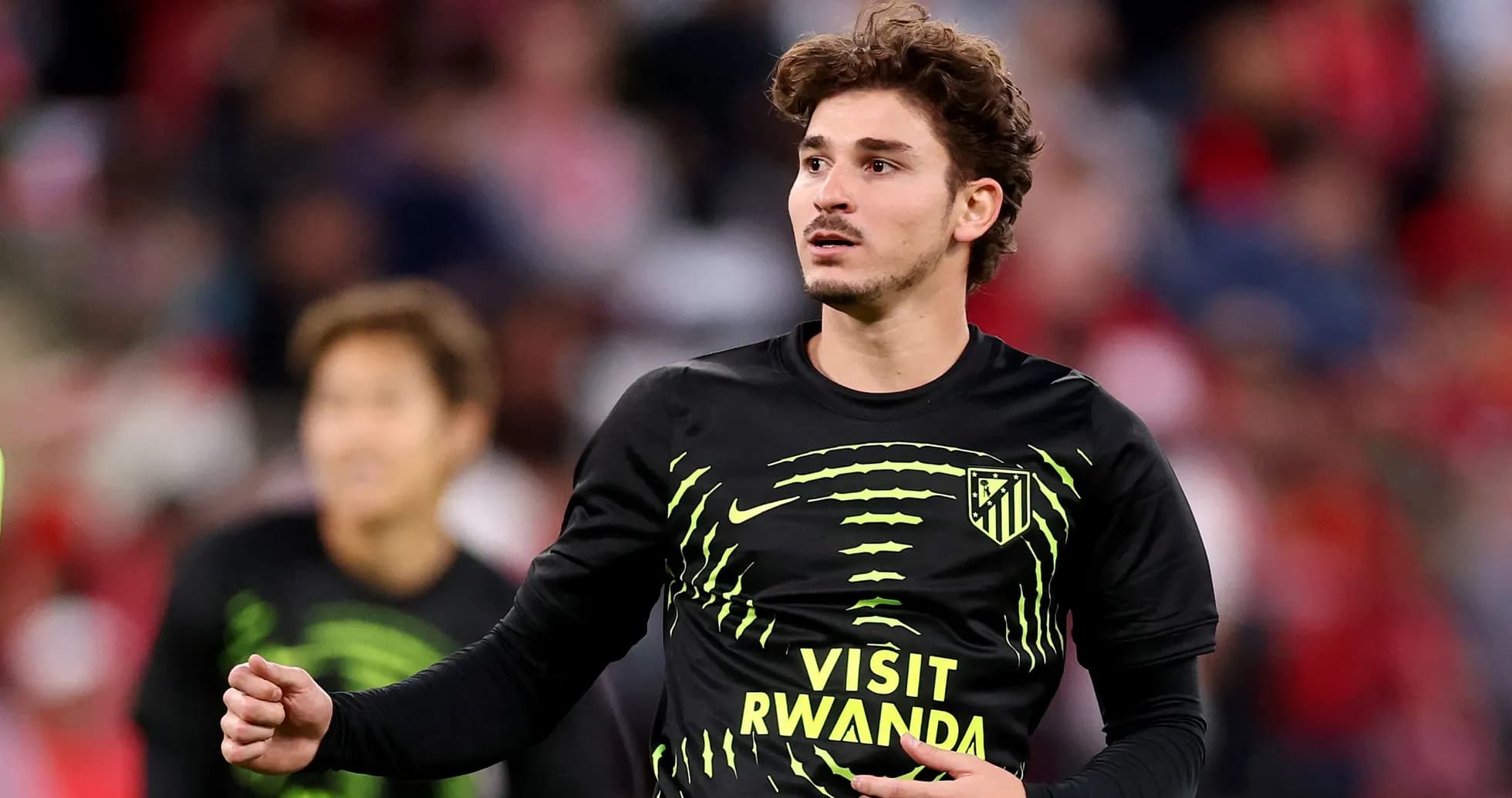
Yet there was Alex Scott at Anoeta, gliding through midfield, dictating the rhythm in a way that explains why top Premier League clubs are circling. And there was Rayan, the Brazil wide man, once again underlining why Bournemouth will point firmly at a reported £130m release clause if anyone comes calling.
This is no fever dream. This is the new reality.
A proper European away performance
Bournemouth have no European history to lean on, no old tales of trips to Milan or Munich. So they went and wrote their own.
Up against a Real Sociedad side led by World Cup winner Mikel Oyarzabal and fresh from beating Atletico Madrid to lift the Copa del Rey last season, Bournemouth didn’t just cope. For 45 minutes, they controlled.
They pressed high and hard, suffocating Sociedad’s attempts to build. Time after time they won the ball back in advanced areas, then showed enough composure and quality to carve out chances even against a set defence. It wasn’t smash-and-grab; it was organised, aggressive, and confident.
The pressure finally told. Bournemouth’s relentlessness off the ball and sharpness on it made the Basque side look rattled in front of their own fans. This was the kind of first-half display seasoned European sides pride themselves on.
Of course, Anoeta doesn’t stay quiet for long. There is an edge to Sociedad, a bite that has carried them through big nights before. Poor as they were before the break, their response after it was inevitable.
Rose’s side had poured so much energy into the first half that the adrenaline started to drain. Legs slowed, decisions dulled, and Sociedad sensed it. The game flipped. The noise rose. The pressure grew.
Learning to suffer
This is where old habits threatened to creep in. Bournemouth’s reputation is not built on granite defending. In the Premier League this season they had already let leads slip in each of their first four games. As Sociedad cranked up the tempo, it was easy to fear a familiar script.
This time, they tore it up.
Djordje Petrovic, sharp and decisive in goal, produced the kind of reflex stops that turn big nights into famous ones. In front of him, Bournemouth’s back line bent but didn’t break. Blocks, clearances, last-ditch interventions – the sort of gritty work that rarely makes highlight reels but wins European ties.
“It was very intense and tough,” Rose admitted to TNT Sports. “Brilliant first half in everything. The way we won balls and the possession high up. In the second half, we needed to suffer because we were not so sharp.”
They did suffer. And they came through it.
Former Bournemouth full-back Charlie Daniels summed it up on BBC Radio Solent: “It is a big occasion. A big moment for the club, and they should be applauded for it.”
Howe’s legacy, Smith’s moment
Trace the line from that -17 season to this night in San Sebastián and it runs straight through one pivotal decision: Eddie Howe’s appointment in January 2009.
Howe dragged Bournemouth clear of the drop despite that huge points handicap, finishing nine points above the relegation zone. Six and a half years later, in his second spell, he had them in the Premier League, transformed from crisis club to top-flight regulars.
So it felt fitting that, on this latest landmark evening, the team was led out by a player who lived through those early steps of the journey.
Adam Smith first arrived on loan in 2010-11, then returned permanently in 2014. He has been there ever since, racking up close to 400 league appearances. On Thursday, he walked out as captain on Bournemouth’s first European night.
“Adam has been with the club for so long,” Daniels said. “Dedicated himself to the club, and it’s such a proud moment, not only for him, but for his family, his team-mates and old team-mates to see how he’s grown – not only as a player but as a man as well.
“To lead out the Cherries on this historical night is fantastic.”
Smith added a slice of history of his own. At 35 years and 141 days, he became the oldest English outfielder to make his debut in major European competition since Ipswich’s Reginald Pickett in 1962. A long road, crowned on a big stage.
No one in red and black will have appreciated the significance of the occasion more.
Good times, hard truths
Bournemouth’s story is often told as a smooth rise, but the recent chapters have been anything but straightforward. Relegation from the Premier League in 2020 hurt. Climbing back and re-establishing themselves in the top flight demanded another reset.
Then came the next challenge: hanging on to what they build. Each summer seems to bring another battle to keep hold of key players, as Europe’s elite circle and pick at the squad. The pattern is familiar, and it isn’t going away.
Even qualifying for Europe couldn’t keep Andoni Iraola. The coach who helped steer them to this stage is now in the opposite dugout, returning to the Vitality Stadium with Liverpool on Sunday. Another reminder that Bournemouth must constantly rebuild while trying to push forward.
But nights like Anoeta change the conversation. They offer something tangible, something supporters can feel and remember when the next star is sold or the next manager moves on.
The Cherries fans in that away end have seen the club staring into the abyss. They’ve watched points deductions, administration, and relegation battles. They know exactly what the bad times look like.
So when they unfurl a flag that reads “From -17 to Europe” and watch their team win in Spain, they understand better than anyone: this is what the good times feel like. The only question now is how long they can keep them coming.