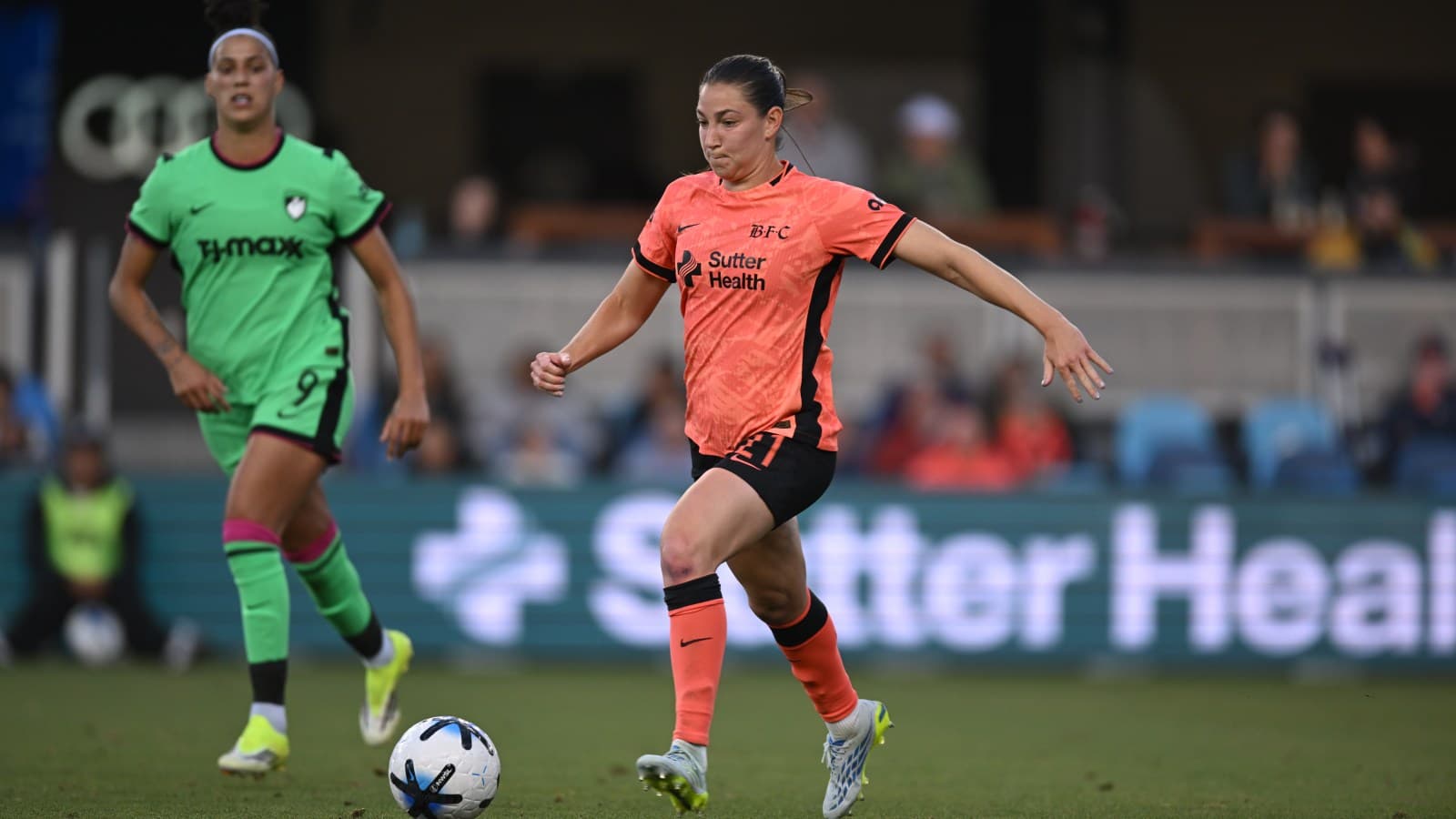
Bay FC and Boston Legacy Draw 1-1: Tactical Analysis and Insights
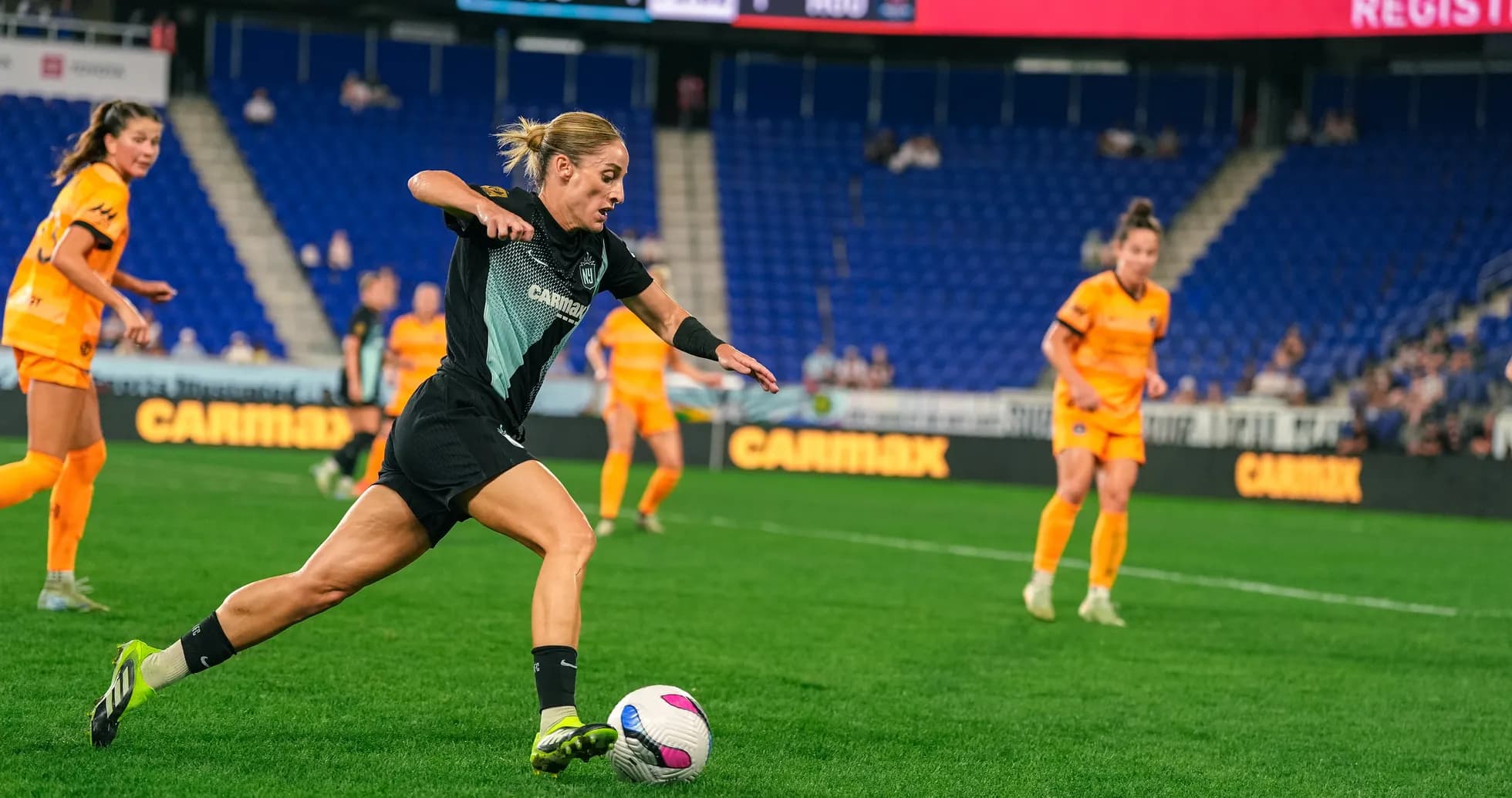
Under the lights at PayPal Park, Bay FC and Boston Legacy W played out a 1–1 draw that felt less like a group-stage formality and more like a tactical stress test for two evolving NWSL projects. Following this result, Bay remain 10th on 11 points with a goal difference of -3 (8 scored, 11 conceded), while Boston sit 14th on 9 points, their overall goal difference now -6 (10 scored, 16 conceded). The scoreline matched the story of two teams still learning who they are, but unwilling to blink.
I. The Big Picture – Structures and Seasonal DNA
Bay FC went to their trusted 4-2-3-1, a shape that has underpinned all 8 of their league outings so far. Emma Coates again built from a back four of S. Collins, A. Cometti, J. Anderson and A. Denton in front of goalkeeper J. Silkowitz, with a double pivot of H. Bebar and C. Hutton tasked with both screening and launching transitions.
Heading into this game, Bay’s attacking profile was clear: 8 goals in total this campaign, with an overall average of 1.0 goals per match. At home, that drops to 0.8, and their goal-timing map showed a side that likes to strike early and just after the restart – 20.00% of their goals in total between 0–15 minutes, 30.00% between 16–30, and another 30.00% between 46–60. Defensively, however, they had been vulnerable in the closing stages of the first half and beyond, with 33.33% of goals against arriving between 31–45 and a combined 33.33% conceded after the hour (61–90).
Boston arrived without a recorded formation in the data, but their personnel told its own story: a back line anchored by B. St.Georges, Lais and E. Elgin in front of C. Murphy, and a midfield engine of A. Karich, N. Prince, A. Cano, J. Hasbo and S. Smith supporting a front duo of C. Ricketts and Amanda Gutierres. Their season so far has been defined by volatility: in total this campaign they have scored 10 and conceded 16, averaging 1.0 goals for and 1.6 against. On their travels, they had yet to win, with 0.5 goals scored and 1.8 conceded per away game.
II. Tactical Voids and Discipline – Edges and Exposures
With no official injury list provided, the absences were more structural than personnel-based. For Bay, the most notable “missing” element was creative fulcrum A. Pfeiffer, whose league-leading contribution for the club (2 goals and 2 assists in 4 appearances, plus 5 key passes) did not feature in this XI. Without her, Bay leaned heavily on the fluidity of the attacking band: C. Conti and D. Bailey flanking the lines, R. Kundananji drifting infield from the left, and K. Lema as the spearhead.
Boston, meanwhile, had to balance aggression with a disciplinary record that has already become a narrative. As a team, they have seen red twice in total this campaign, with 50.00% of those reds arriving in the 31–45 minute window and the other 50.00% between 76–90. Individually, B. St.Georges carries a red card on her season ledger, while A. Traoré and J. Carabalí have each accumulated 3 yellow cards. In a match where Bay’s goal threat spikes early and just after half-time, Boston’s tendency to collect cards between 16–30 (21.74% of yellows) and 76–90 (21.74%) was a tactical risk.
Bay’s own disciplinary profile is no less intense. In total this campaign, 22.22% of their yellows have come in the 76–90 minute range and another 22.22% between 91–105, with a solitary red shown in the 91–105 band. Midfield anchor C. Hutton, who has 3 yellows in 8 appearances, again walked the line between control and confrontation.
III. Key Matchups – Hunter vs Shield, Engine Room Battles
The attacking “hunter” for Bay was more collective than individual, but the movement of Kundananji and the vertical runs of Lema were calibrated to test a Boston back line that concedes heavily straight after the break. Heading into this game, 37.50% of Boston’s goals against arrived between 46–60 minutes – precisely the window where Bay score 30.00% of their own goals. That intersection was the tactical fulcrum of the night.
On the other side, Boston’s primary hunter was Amanda Gutierres. In total this campaign, she has produced 2 goals and 2 assists, with 14 shots and 7 key passes, and a perfect penalty record (2 scored from 2, no misses). Her ability to drop off the line and combine with midfield runners like Alba Caño and S. Smith gave Boston a counter-punch whenever Bay overcommitted.
The “shield” against her was a Bay unit anchored by Cometti and Anderson, with Hutton patrolling in front. Hutton’s numbers this season underline her role: 21 tackles, 2 blocked shots and 17 interceptions, plus 50 duels won from 89 contested. Her reading of second balls and willingness to step into passing lanes were crucial in preventing Boston’s midfield from threading Gutierres in behind.
The engine room duel was as compelling as advertised. For Boston, Karich and Caño have been the heartbeat: Karich with 496 passes at 84% accuracy, 24 tackles and 12 interceptions; Caño with 2 goals, 11 key passes and 29 tackles. Against Bay’s double pivot of Bebar and Hutton, plus the roaming creativity of Bailey between the lines, this was a contest of tempo and territory. Smith added a more direct threat, with 14 shots and 12 successful dribbles this season, constantly probing at Bay’s right side.
IV. Statistical Prognosis – Reading the 1–1
A 1–1 draw fits the statistical contours of both sides. Bay, who in total this campaign have gone over 1.5 goals in only 2 of 8 matches, remain a low-scoring, tight-margin team. Boston, with 5 of their 10 games finishing under 1.5 goals against and a complete absence of clean sheets, live in the same narrow band of outcomes.
The late-game dynamics also aligned with the data. Boston’s attack is back-loaded – 30.00% of their goals in total between 61–75 and another 30.00% between 76–90 – precisely the period where Bay’s defensive concentration has wavered (33.33% of goals conceded after the hour). Conversely, Bay’s early and post-interval surges found a Boston side that historically unravels between 46–60.
In xG terms, this felt like a near-par result: Bay’s structured 4-2-3-1, deprived of Pfeiffer’s final ball, manufactured enough half-chances to justify a single goal, while Boston’s counter-attacking surges and Gutierres’ penalty threat ensured they were always one transition away from parity.
Following this result, both coaches leave PayPal Park with confirmation rather than revelation. Bay know their 4-2-3-1 can control phases but still struggles to turn territorial dominance into multiple goals. Boston know their resilience and late-game punch can travel, but their defensive fragility around the restart remains a glaring tactical fault line.
If these sides meet again later in the group, the blueprint is already drawn: Bay must lean even harder into that 46–60 window, while Boston’s path runs through the legs and lungs of Karich, Caño and Gutierres, and a back line that has to learn to survive the storm without another card-fuelled implosion.