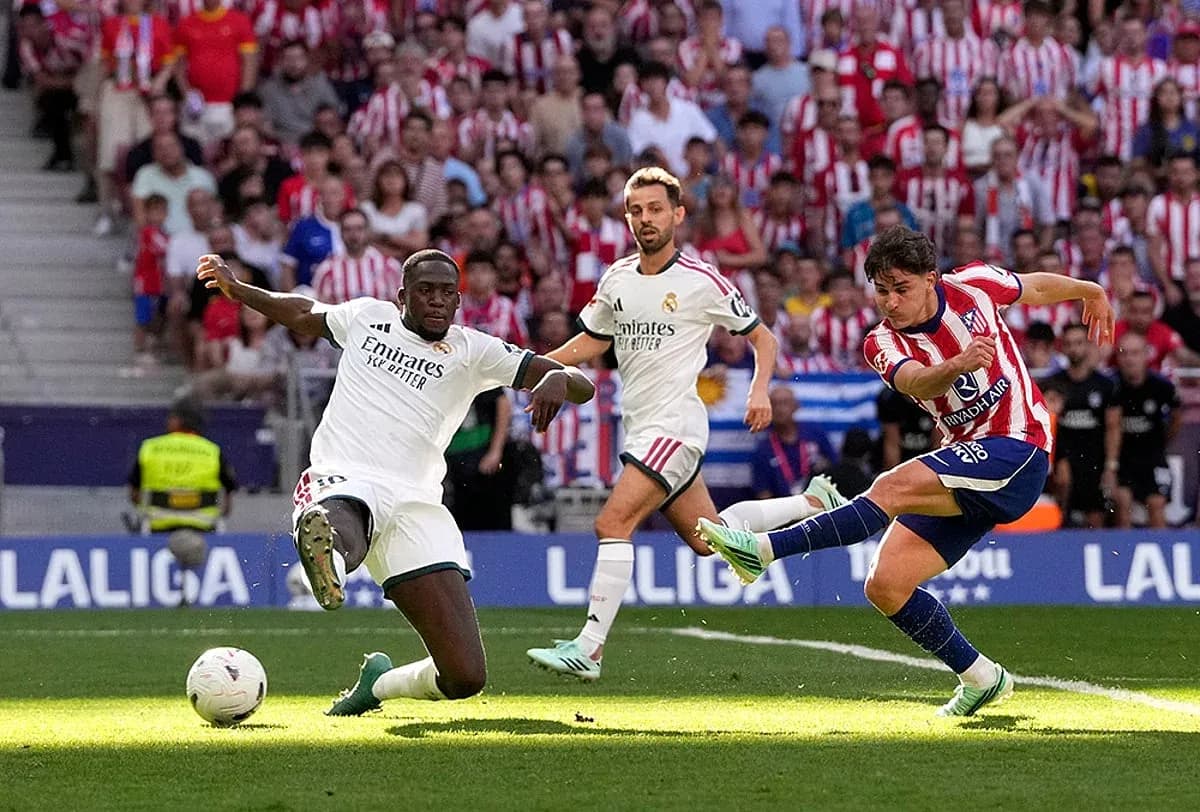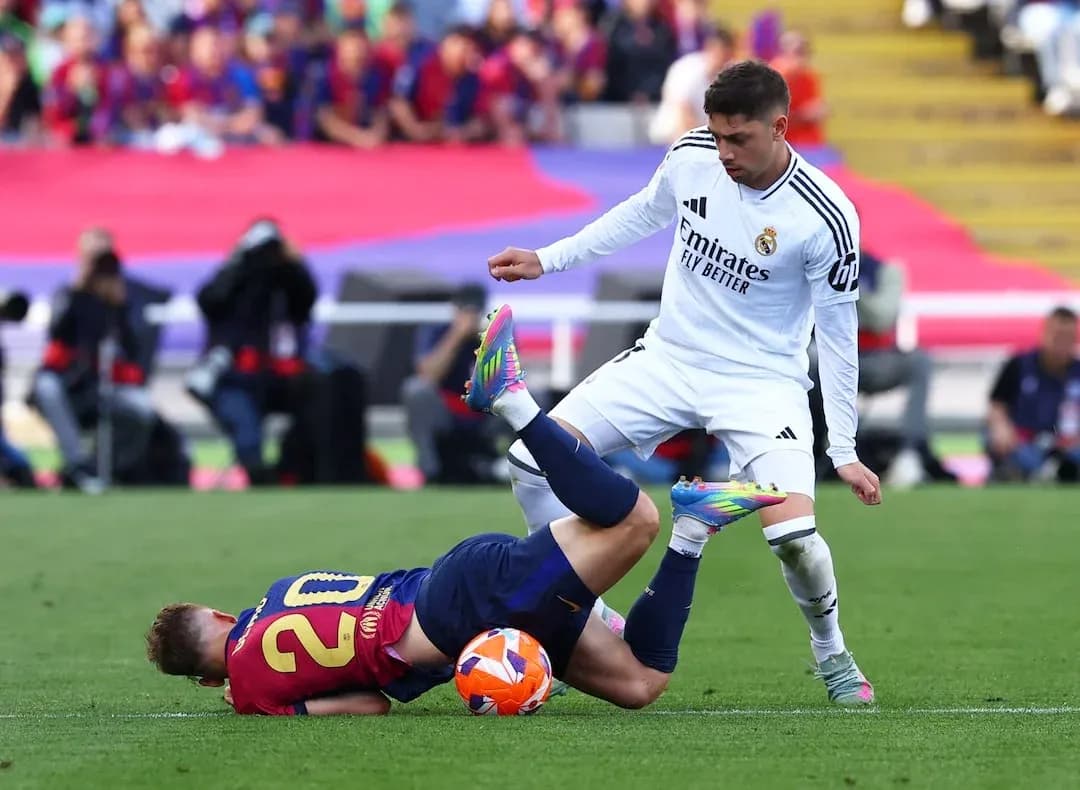
Barcelona vs Real Madrid: Title-Defining Clásico Preview
Camp Nou hosts the season’s defining clásico on 10 May 2026, with La Liga’s top two colliding in a fixture that could all but settle the title race. Barcelona sit top of the league in the 2025 season with 88 points from 34 games, 11 clear of second‑placed Real Madrid on 77. With four rounds left and both sides in Champions League positions, this is about more than prestige: Barcelona can virtually close the door on any late comeback, while Madrid need a statement away win to keep the pressure alive.
Form, momentum and the Camp Nou fortress
In the league, Barcelona’s profile is that of a champion‑elect. They have 29 wins, 1 draw and just 4 defeats across all phases, with a remarkable +58 goal difference (89 scored, 31 conceded). The standout figure is their home record: 17 wins from 17 at Camp Nou, 52 goals scored and only 9 conceded. They have not failed to score at home in the league and have kept 9 clean sheets there.
Their broader season form string (“WWDWWWWLWLWWWWWWWWWLWWWLWWWWWWWWWW”) underlines how rarely they drop points. A longest winning streak of 9 games and only one league draw all season suggests a side that reacts quickly to setbacks.
Real Madrid arrive as the only plausible challengers. They have 24 wins, 5 draws and 5 defeats, with 70 goals scored and 31 conceded. Away from home, they have been strong: 10 wins, 4 draws, 3 losses, 31 goals for and 17 against. They have failed to score in only one away league game and have 7 away clean sheets, so they are used to controlling matches on their travels.
Yet the form guide hints at a slight contrast in momentum. Madrid’s recent league sequence is “WDWDL”, showing a couple of stumbles just as Barcelona have been surging. Over the season, their longest winning run is 8 matches, but they have also had a 3‑game draw streak and 2‑game losing run, which has cost them ground in the title race.
Tactical shapes and stylistic clash
The data points to a clear tactical framework for both teams.
Barcelona have predominantly used a 4‑2‑3‑1 (24 league games) and occasionally a 4‑3‑3 (10 games). That suggests a double pivot protecting a very aggressive front four, especially at home where they average 3.1 goals per match and concede just 0.5. With no recorded home defeat, their structure at Camp Nou is both expansive and stable.
Real Madrid are more flexible but lean towards a 4‑4‑2 (16 games) as their base, with 4‑2‑3‑1 (8 games) and 4‑3‑3 (6 games) also used. This versatility allows them to mirror Barcelona’s shapes if needed or overload wide areas in a classic 4‑4‑2. Away from home they average 1.8 goals scored and 1.0 conceded, suggesting a slightly more measured approach than Barcelona’s all‑out home aggression.
Discipline could be a hidden factor. Barcelona accumulate most of their yellow cards between 46‑60 and 76‑90 minutes, indicating intensity spikes after the break. Madrid’s yellows are most frequent between 61‑75 minutes, with a notable cluster even in added time (91‑105). Both teams have multiple red cards across the season, often late in games, so the clásico’s emotional edge could easily tilt the balance through a dismissal.
Star power and key match‑ups
The attacking talent on show is elite on both sides.
For Real Madrid, Kylian Mbappé is the league’s top scorer in this dataset with 24 goals and 4 assists in 28 appearances. His volume is backed by high involvement: 100 shots (61 on target), 917 passes with 63 key passes, and 140 dribble attempts with 76 successes. He has also scored 8 penalties but missed 1, so while he is prolific from the spot, his record is not flawless. Mbappé’s combination of off‑the‑shoulder runs and link play will test Barcelona’s high line and central defenders.
Alongside him, Vinícius Júnior adds another 15 goals and 5 assists in 33 games. With 71 shots (44 on target), 65 key passes and 186 dribble attempts (85 successful), he is Madrid’s primary ball‑carrying outlet on the flank. He also has 78 fouls drawn, underlining how often he forces defenders into risky challenges. His penalty record shows 4 scored and 1 missed, again strong but not perfect.
Barcelona, however, can match that firepower. Lamine Yamal has emerged as one of La Liga’s standout performers: 16 goals and 11 assists in 28 games from midfield, with an outstanding rating and 72 key passes. His 244 dribble attempts (135 successful) and 52 fouls drawn make him the creative hub, capable of breaking lines both with the ball at his feet and with incisive passing.
Ferran Torres provides a more direct threat with 15 goals in 30 appearances, efficient in the box with 34 shots on target from 54 total. Robert Lewandowski adds depth with 13 goals in 27 games despite starting only 14 times. His penalty record this season is mixed (1 scored, 2 missed), so if Barcelona receive a spot‑kick, the identity of the taker will be a live question.
Raphinha completes a formidable supporting cast: 11 goals and 3 assists in 20 appearances, plus 41 key passes. His ability to attack the half‑spaces and deliver from wide will stretch Madrid’s full‑backs and wide midfielders, especially if they set up in a 4‑4‑2.
Head‑to‑head: recent competitive meetings
The last five competitive meetings (excluding friendlies) show Barcelona with a slight edge:
- 11 January 2026, Super Cup final in Jeddah (King Abdullah Sports City): Barcelona 3‑2 Real Madrid – Barcelona win.
- 26 October 2025, La Liga at Estadio Santiago Bernabéu: Real Madrid 2‑1 Barcelona – Real Madrid win.
- 11 May 2025, La Liga in Barcelona (Estadi Olímpic Lluís Companys): Barcelona 4‑3 Real Madrid – Barcelona win.
- 26 April 2025, Copa del Rey final in Sevilla (Estadio Olímpico de Sevilla): Barcelona 3‑2 Real Madrid after extra time (2‑2 in 90 minutes) – Barcelona win.
- 12 January 2025, Super Cup final in Jeddah (King Abdullah Sports City): Real Madrid 2‑5 Barcelona – Barcelona win.
Across these five matches, Barcelona have 4 wins and Real Madrid 1, with no draws. Every game has featured at least 4 goals, underlining how open this fixture has been in recent seasons.
Set‑pieces and penalties
Both sides are extremely reliable from the spot at team level this season. Barcelona have scored all 7 of their league penalties, while Real Madrid have converted all 12. At player level, however, key takers have each missed at least once: Mbappé (8 scored, 1 missed), Vinícius (4 scored, 1 missed), and Lewandowski (1 scored, 2 missed). Any penalty awarded in this clásico will carry significant narrative weight, but it cannot be assumed to be automatic.
Injuries and availability
There is no injury or suspension data provided for this fixture, so there are no confirmed absences in the dataset. Both coaches, on paper, can draw from their full squads.
The verdict
All indicators point to a high‑stakes, high‑scoring clásico. Barcelona’s perfect 17‑from‑17 home record, combined with 3.1 goals per home game and a recent head‑to‑head advantage, makes them clear favourites at Camp Nou. Their attacking unit, led by Lamine Yamal, Ferran Torres, Raphinha and Lewandowski, has the variety to trouble any defensive structure Madrid choose.
Real Madrid, though, possess the individual quality to disrupt the script. Mbappé and Vinícius give them a transition threat unmatched in the league, and their 10 away wins show they are comfortable on the road. If they can contain Barcelona’s early pressure and exploit spaces behind the full‑backs, they are capable of turning this into a shoot‑out.
On balance, the data tilts towards a Barcelona win in a game with multiple goals, but Madrid’s attacking stars ensure that the title‑defining clásico on 10 May 2026 is anything but a foregone conclusion.