Barcelona's Strategic Decision on Raphinha: Balancing Finances and Future
Barcelona’s summer with Raphinha was never just about football. It was about numbers, risk, and a Saudi lifeline that almost became too tempting to refuse.
Barça’s calculated openness to a sale
Early in the window, Raphinha’s name kept circling around the Saudi Pro League. Those links were not idle noise. Journalist Romain Molina has revealed that Barcelona were “very open” to letting the Brazilian go, especially if the money came from Saudi Arabia.
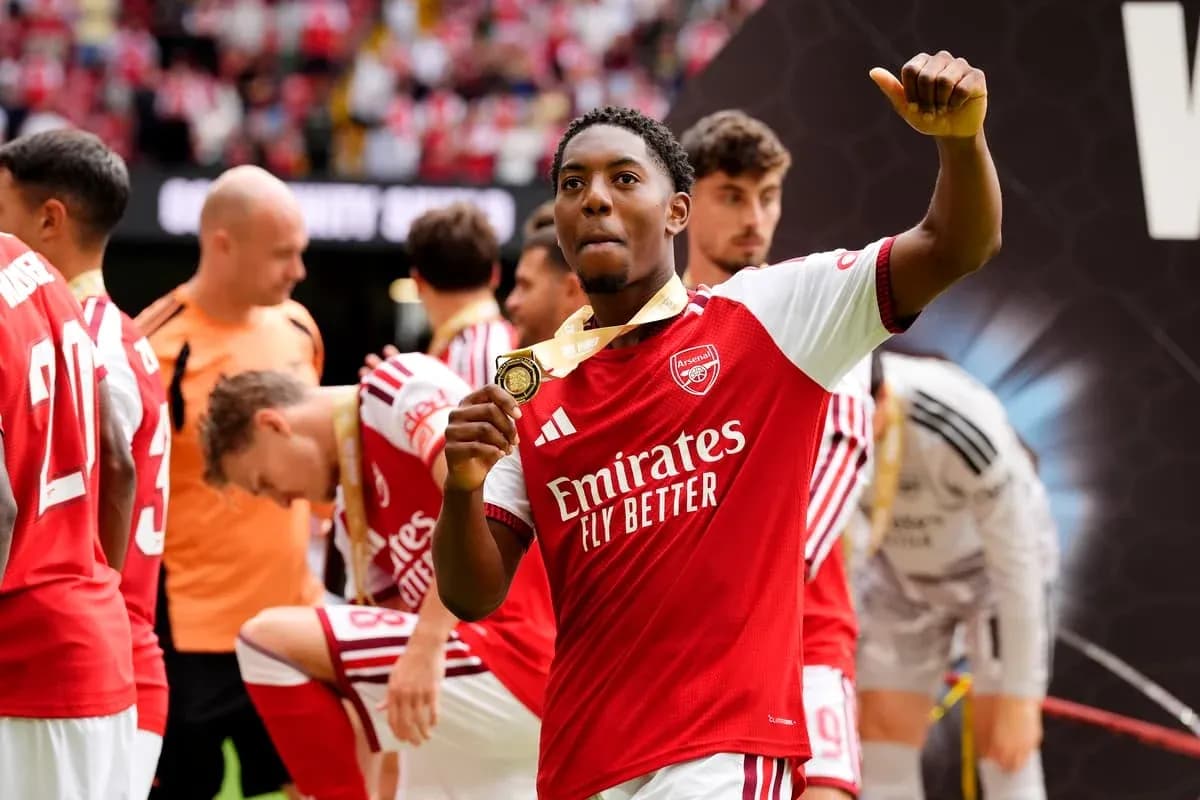
This was not a last‑minute scramble or a casual enquiry. The club had thought it through. According to Molina, Barça had prepared for life without Raphinha to the point that they signed young winger Jesse Bisiwu with a possible departure already in mind. The message was clear: if a huge offer landed on the table, they wanted a replacement in the building.
Everything, as Molina put it, “was planned in advance just in case.”
Saudi money and a fragile balance sheet
The reasoning is brutally simple. Barcelona’s finances remain tight, and Saudi clubs were ready to spend big on Raphinha. A substantial fee for the winger would not just be welcome; it would shift the club’s entire margin for manoeuvre.
Such a deal could have eased pressure on the wage bill, created breathing space with Financial Fair Play, and freed resources to strengthen elsewhere. For a board still wrestling with the aftermath of years of heavy spending, Raphinha represented a rare asset with genuine market value.
Molina also highlighted two other factors lurking in the background: the player’s physical condition and his contract expectations. Talks over a move had already surfaced last year and again in the winter, underlining that this was not a one-off flirtation with Saudi Arabia but an ongoing possibility.
The injury question, though, is starting to bite. “This whole history of injuries is starting to cause some concern,” Molina warned. For a club trying to decide whether to cash in or commit long term, that matters.
The No. 9 equation
Strip away the sentiment and the picture sharpens. If Barcelona ultimately decide to sell Raphinha, it will not be just to tidy up a balance sheet. It will be to fund a striker.
The search for a new No. 9 has become central to the club’s planning, especially with their pursuit of Julián Álvarez falling apart. The profile they want is expensive: a top-level forward capable of leading the line for years. That kind of signing requires a serious financial push.
This is where the Raphinha-to-Saudi narrative becomes more than just a rumour. A major sale would, as Molina framed it, give Barça “much greater financial peace of mind and, above all, allow them to spend a huge amount on the number 9.”
The sporting cost is obvious. Offloading one of their key attacking names would weaken the current squad on the wings. Yet the board know that without a marquee striker, the ceiling of this team remains lower than they want it to be.
So the dilemma hangs over the final stretch of the window: keep Raphinha and bet on his fitness and impact, or cash in if Saudi money returns and use that windfall to chase the No. 9 they believe can reshape the project.