Atlético Ottawa vs Vancouver FC: Goalless Draw at TD Place
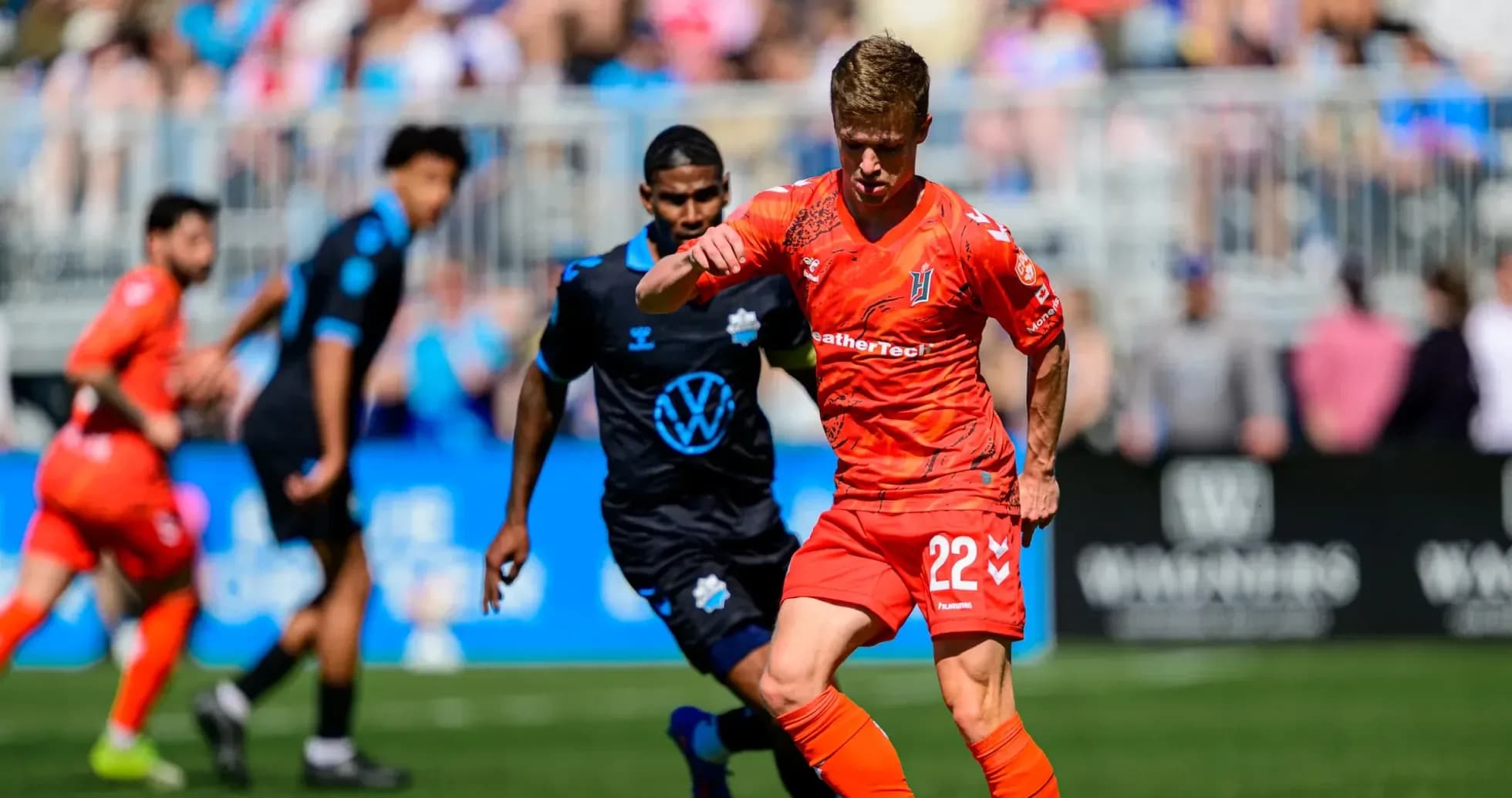
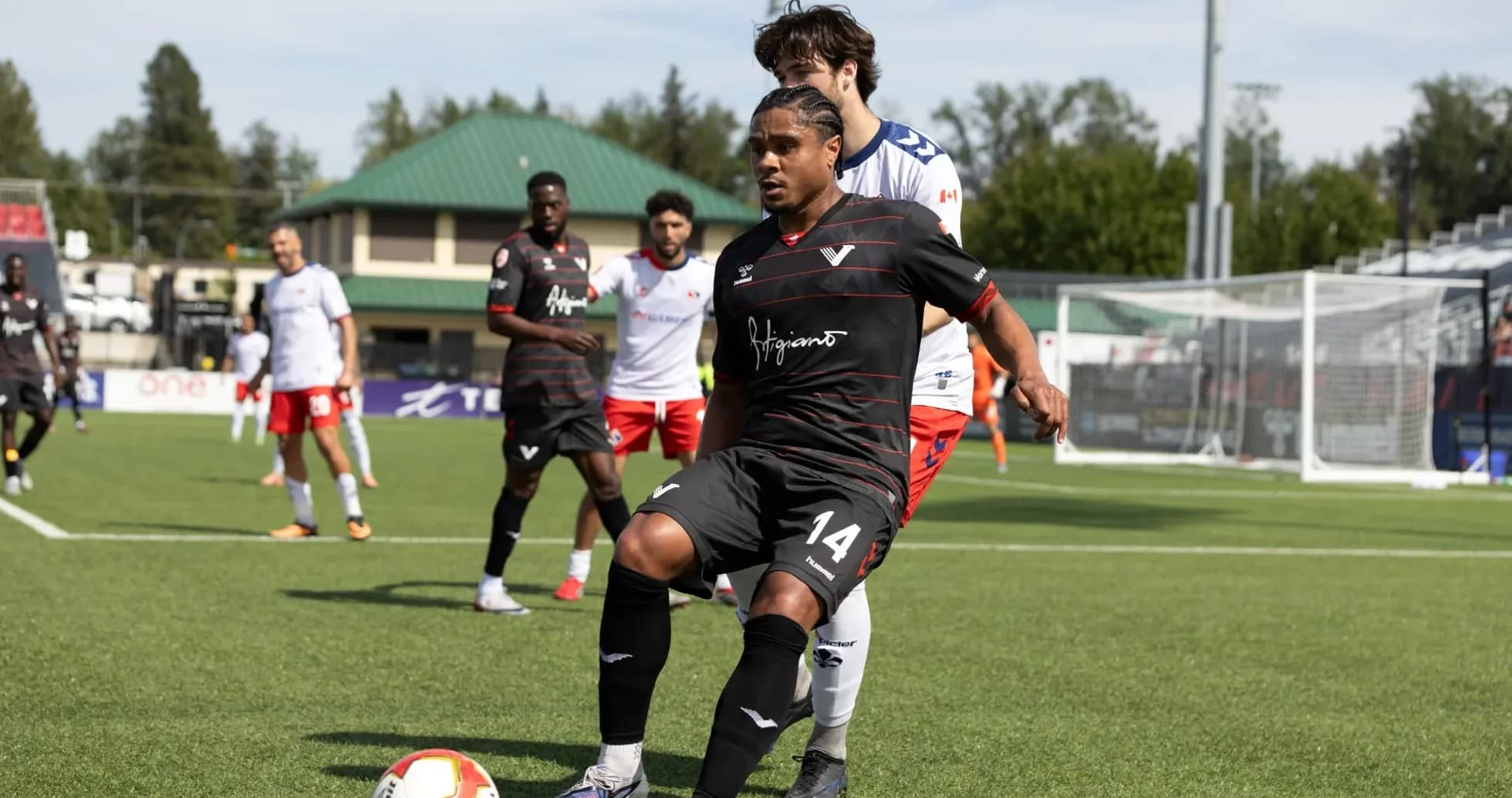
In an intense yet unyielding clash at TD Place Stadium on October 12, 2025, Atlético Ottawa and Vancouver FC settled for a 0-0 draw in the Canadian Premier League. This stalemate reflected both teams’ contrasting ambitions — with Ottawa pushing for playoff positioning and Vancouver struggling in the lower half of the table. In a match characterized by tactical discipline, Ottawa registered a commanding 61% possession, yet they could not convert their dominance into goals, mustering only three shots on target from 11 attempts.
First Half Analysis
The opening 15 minutes showcased a tactical setup that saw Atlético Ottawa deploying a 3-4-2-1 formation, aiming to exploit the flanks and maintain high possession. Conversely, Vancouver FC's 4-1-4-1 structure was designed to nullify Ottawa's attacking threats while seeking quick transitions. The first half was largely uneventful in terms of goal-scoring opportunities, though Ottawa’s pressing game created early pressure.
Despite controlling the tempo, Ottawa struggled to penetrate Vancouver's defense. The half culminated in eight shots from Ottawa, including two that forced visiting goalkeeper C. Irving into notable saves. Vancouver, on the other hand, mustered only two shots, with neither finding the target. The half concluded with a series of fouls—eight committed by Ottawa and a higher total of 15 by Vancouver—leading to increased tension and three yellow cards issued to Vancouver players for time-wasting and unsporting behavior.
Ottawa's offensive momentum was evident in their 68% pass accuracy, compared to Vancouver’s 78%. However, even with the superior possession, they failed to create significant goal-scoring prospects before halftime.
Second Half Narrative
Following the break, both teams appeared eager to find the back of the net. Ottawa made their first substitution in the 57th minute, bringing on J. Coulanges to inject some fresh legs into their midfield. This change looked promising as Ottawa increased their shot attempts but still lacked clinical finishing in front of goal. In fact, Ottawa continued to dominate possession but could only manage three shots on target throughout the match.
Vancouver made a couple of swift substitutions in the 63rd minute, bringing on E. Fotsing and T. Powell, which sparked a brief threatening spell. They enjoyed a slight resurgence, particularly in their physical play—extending their card count to six by the match's end, which included multiple yellow cards for fouls committed during critical Ottawa counter-attacks.
With the match entering its final stages, Ottawa sought a breakthrough by changing their forward line, introducing B. Levis and G. Antinoro in the 81st minute to heighten their attacking intent. However, the resolve of Vancouver’s defense held firm, and the match ended with Ottawa obtaining a total of 11 shots, while Vancouver managed 10, demonstrating the closely contested nature of the affair.
Statistical Deep Dive
The match statistics reveal a tale of missed opportunities. Ottawa’s total shot accuracy stood at 27%, reflecting their difficulties in finding the target despite commanding possession. Their 61% possession translated into a possession efficiency of 0 goals per possession percentage point—a disappointing return for a team vying for playoff contention. For Vancouver, although they had a lower pass completion rate at 78%, they utilized their opportunities better in terms of defensive resilience and counter-attack potential.
Both teams failed to surpass expected goals (xG) metrics, with Ottawa performing well below expectations after failing to convert their higher shot count into goals. Vancouver’s few attempts also reflected their struggles, with a lower cumulative threat level throughout the match.
Individual Performances
For Ottawa, goalkeeper N. Ingham was a standout performer, denying Vancouver any chance of a clear goal with his two critical saves. M. Aparicio provided creative influence in midfield, although he didn’t register any assists. Conversely, Vancouver’s defensive unit—including defenders K. Dada-Luke and Matteo Campagna—exhibited resilience against Ottawa’s persistent attacks, fortifying their goal.
The performance of Vancouver’s goalkeeper C. Irving was significant as well. With three saves and a clean sheet, he ensured that his team remained in the contest throughout. Nonetheless, the absence of impactful plays from Vancouver attackers limited their scoring options, as evident by their 20% shot accuracy.
Match Significance & Conclusion
This goalless draw does little to help Vancouver FC, who remain near the bottom of the Canadian Premier League, currently occupying eighth place with just 21 points. For Atlético Ottawa, the draw felt like a missed opportunity to consolidate their playoff position, as they sit comfortably in second place with 56 points. Head coach Diego Andrei Mejía Campo will reflect on his team’s inability to convert their dominance into goals, while Martin Nash may find encouragement in a disciplined defensive display despite the lack of offensive rhythm.
Looking ahead, both teams have pivotal fixtures coming up, with Ottawa eager to capitalize on their potential while Vancouver must harness this defensive display to build momentum in a challenging season. This stalemate captures the dual narratives of struggle and aspiration that characterize the current Canadian Premier League campaign.