Arsenal's Martinelli: Price Tag and Media Narrative
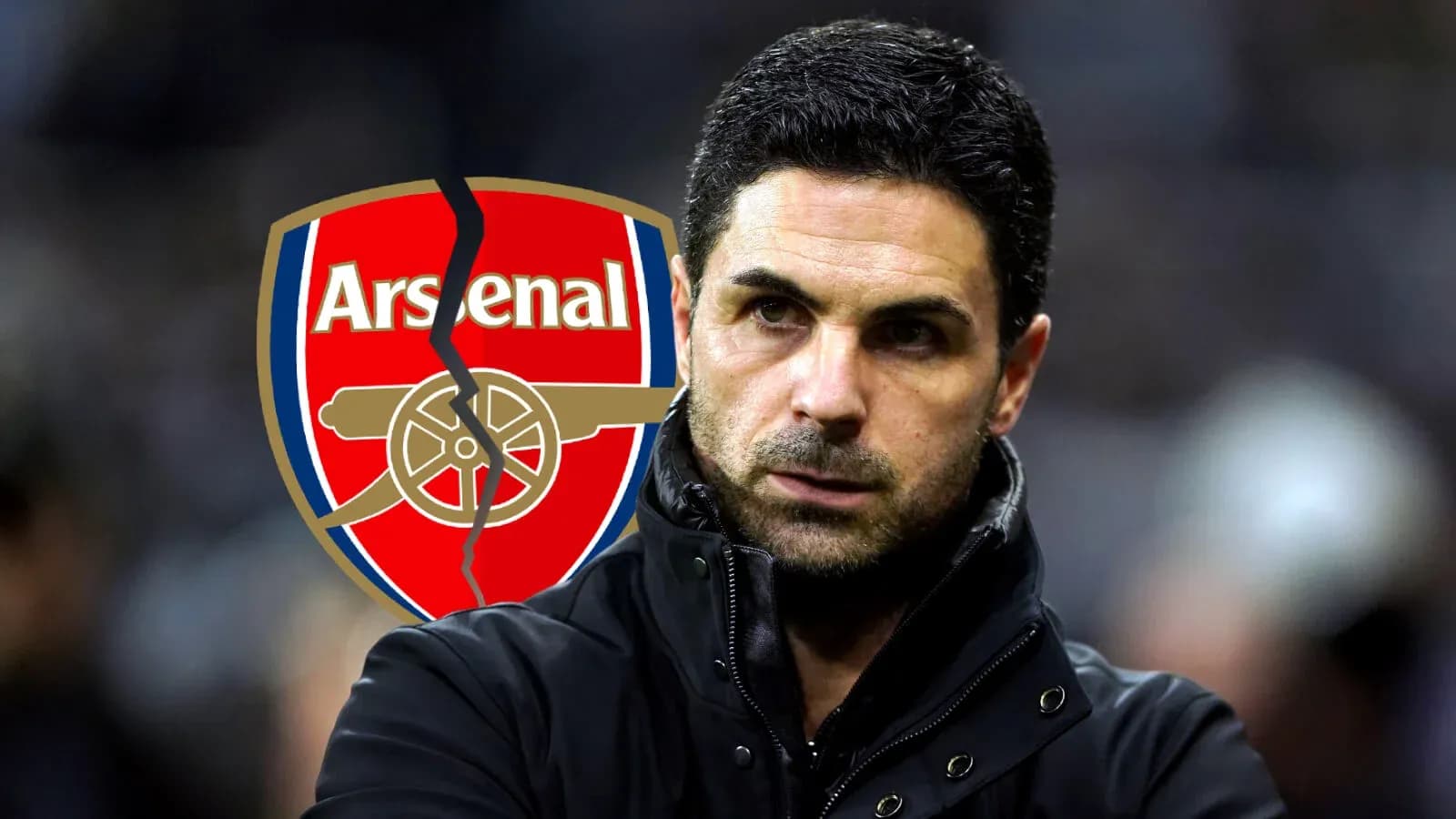
Mikel Arteta is not facing a mutiny. Gabriel Martinelli is not at the centre of some dressing-room uprising. But you would not know that from a quick glance at Tuesday morning’s headlines.
As the first Premier League weekend dust settled, The Sun’s website decided the second-biggest story in football was not a major transfer, not a tactical revolution, but:
“Jamie O’Hara will be a dad for the 4th time as he reveals wife is pregnant”
Above Spurs agreeing an £85m deal for Savinho. That just about sets the tone.
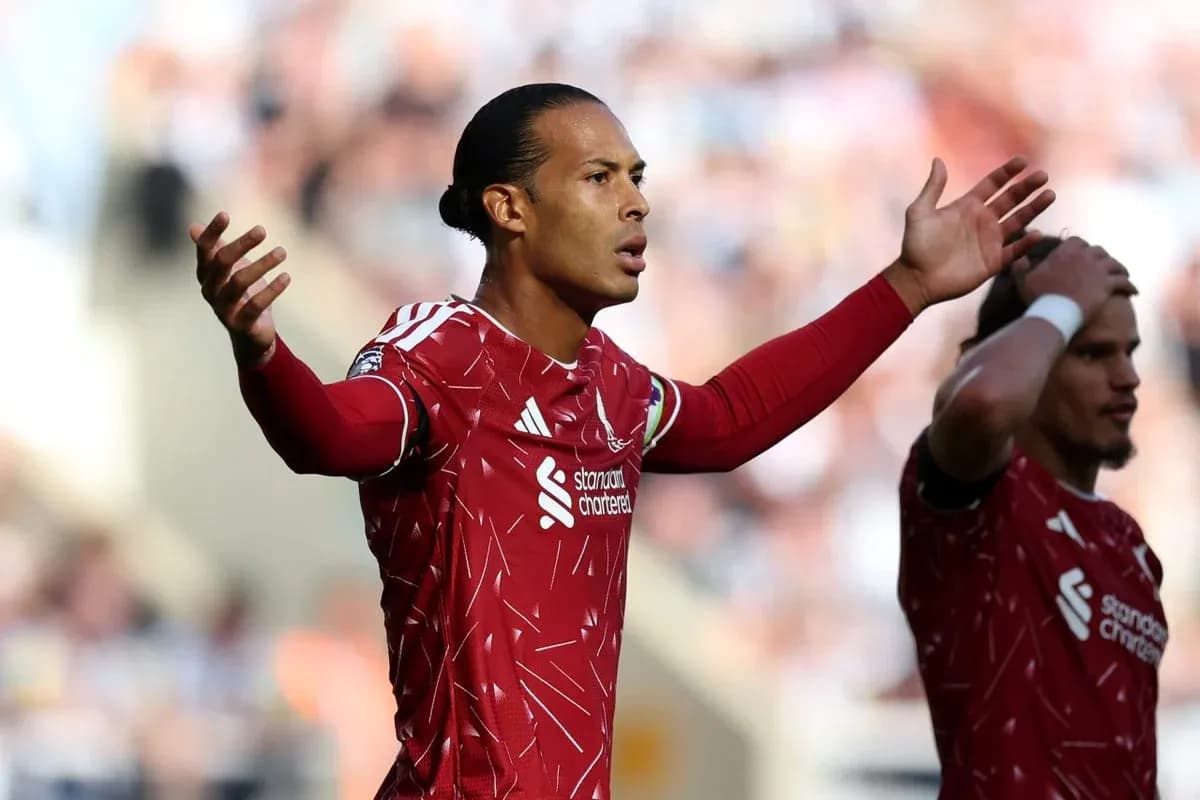
Martinelli, £50m and a reality check
Arsenal’s real talking point is Martinelli’s price tag. John Cross in the Daily Mirror went straight for the jugular:
“Why on earth have they not been able to get better value on Martinelli? If Savinho goes to Tottenham in an £85m deal, why is Martinelli cheaper? The £50m price just does not seem enough.”
On the surface, it is a fair question. But scratch it and the numbers start to explain themselves.
The Savinho fee is inflated and clearly linked to the deliberately low Omar Marmoush deal – creative accounting rather than a pure reflection of talent. Martinelli, by contrast, is coming off a poor season: one goal and four assists in the league. For the champions, that is not fringe output, it is a problem.
He is also effectively entering the final year of his deal, with only an option for an extra 12 months. That matters. Clubs pay a premium for security; they haggle hard when they know the clock is ticking.
In that light, £50m looks less like a giveaway and more like a solid, if unspectacular, return. Chelsea or Manchester City, who have built whole departments around player trading, might squeeze more. Arsenal are not at that level of sales craft yet.
“This is a player whose stats measure up against the likes of Yildiz,” one line insists.
Except Kenan Yildiz is four years younger, hit ten Serie A goals last season and laid on seven assists. That is a different profile entirely.
And then comes the key question from the same piece:
“Martinelli has pace, is dangerous but has he really kicked on in the past two seasons?”
No. He has not. That is the crux. So £50m starts to sound about right.
The ‘unhappy’ Arsenal squad that no one can actually find
From there, the story takes a familiar tabloid turn. Not content with debating the fee, the narrative shifts to unrest in the camp.
“Gabriel Martinelli has Arsenal stars on his side after being pushed out by Mikel Arteta” – Daily Mirror website.
“Arsenal stars ‘side with Gabriel Martinelli’ as Mikel Arteta tries to force him out” – Daily Star website.
“Arsenal squad ‘unhappy’ with Mikel Arteta as Gabriel Martinelli nears £40m Al-Hilal transfer” – Goal.com.
Three outlets. One supposed source: ESPN Brasil.
And what does this explosive source actually say? One translated paragraph. One sentence at the end:
“At the start of this season, the Brazilian wasn’t even included in Arsenal’s matchday squad and didn’t even receive a medal for winning the English Super Cup after beating Manchester City 3-0, something that even caused some discomfort among other players in the team.”
That is it. Twelve words of “some discomfort” among teammates, repackaged as a full-blown revolt.
“Side with Gabriel Martinelli.” “Unhappy.” All dragged into headlines in quotation marks despite not appearing in the original report. A minor detail, buried low in a day-old piece, turned into a front-page narrative of division.
Strip away the drama and what are we left with? A player who has been at Arsenal for seven years is being eased out ahead of a likely sale. His friends in the dressing room feel for him. That is not a scandal; it is human.
It would be far stranger if Gabriel Magalhaes or Declan Rice were delighted to see a long-time teammate frozen out and heading for the exit.
Arteta’s ‘one condition’ that is just… common sense
The same day, another Arsenal story emerges on the Mirror’s website:
“Mikel Arteta sets one condition for £130m Julian Alvarez transfer as Arsenal plan emerges”
One condition. For a £130m move. That sounds serious. Non-negotiables. Tactical guarantees. Squad status.
Or not.
“Mikel Arteta is ready to make a £130m push to sign Julian Alvarez – but will demand assurances the Argentina star wants to move to Arsenal.”
So the “one condition” is that the player actually wants to join. That is not a condition; that is the bare minimum any functioning club requires before dropping nine figures on a transfer.
No revelation. Just basic due diligence dressed up as a scoop.
Newcastle, time-wasting and a substitution that might not be what it seems
Away from north London, the Daily Mail’s Ian Ladyman turned his attention to Newcastle’s new coach Matthias Jaissle and his frustration with referee Stuart Attwell after a late Liverpool penalty denied his side victory.
“The contact from the otherwise excellent Lewis Hall on Liverpool substitute Victor Munoz was clear,” Ladyman wrote, before pointing out that the incident arrived in time added on for what he called a “totally unnecessary Newcastle substitution.”
Jaissle had replaced Yoane Wissa with Fabian Schar in the final minute of added time. Ladyman framed it as classic time-wasting that backfired, prompting Attwell to tack on an extra 30 seconds, during which Munoz ran at Hall and won the spot-kick.
With new guidelines insisting players leave the pitch within 10 seconds or risk a booking, Ladyman argued the old dark art of the late substitution is “even more pointless than ever.”
But was that really just time-wasting? Or was a forward-for-defender change, while protecting a narrow lead, the sort of pragmatic switch managers have made for decades to see out a game?
There is a more obvious footballing logic there than pure gamesmanship.
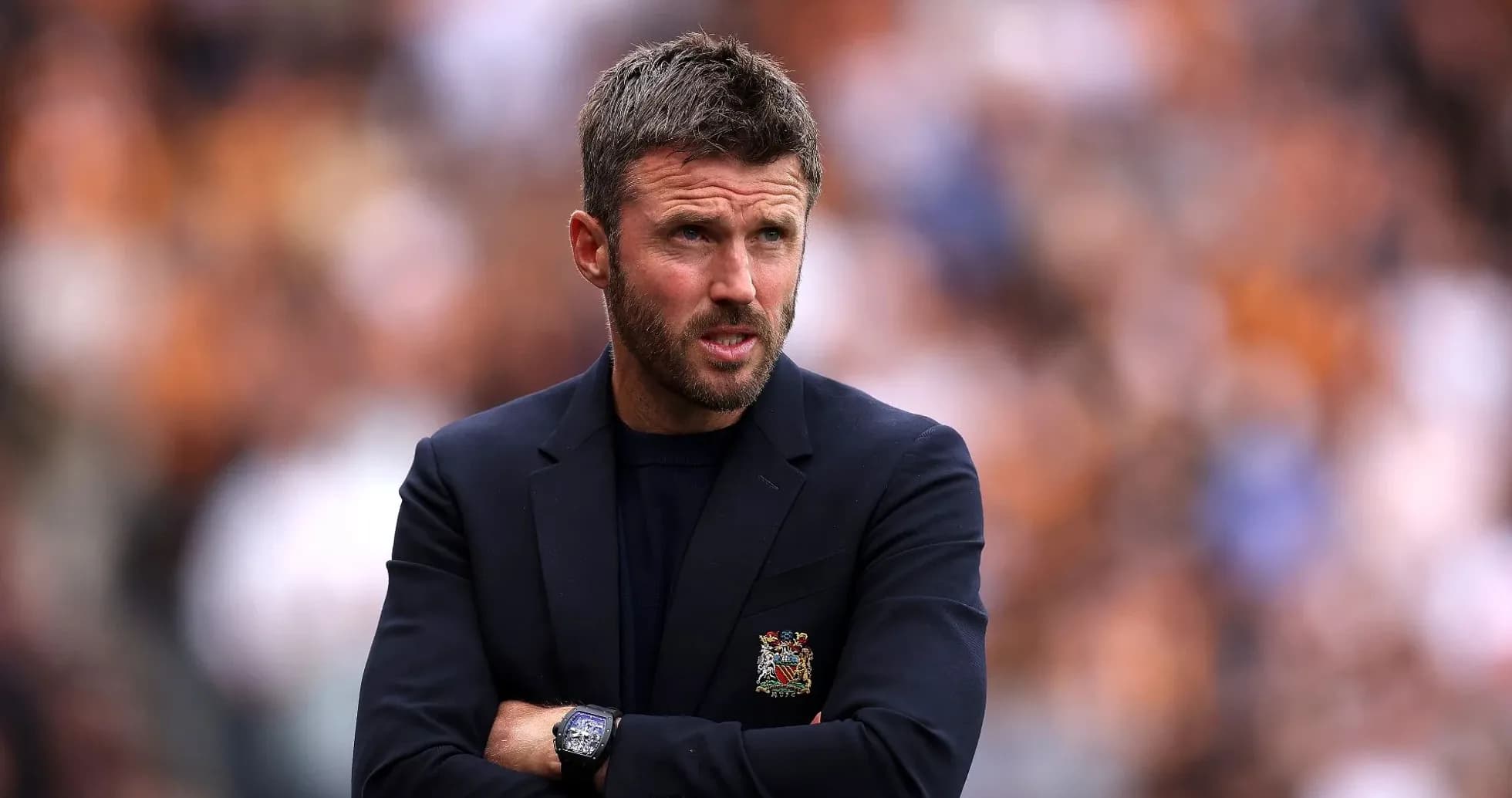
Manchester United and a ‘plan’ that looks a lot like improvisation
Back in Manchester, the Manchester Evening News offered a bold verdict:
“Manchester United’s transfer plan has paid off with £45million boost”
The story centres on Carlos Baleba. The claim is straightforward: he would have cost around £115m last summer, but United are now poised to land him for £70m, a saving of £45m.
On paper, that is smart business. In practice, it is harder to call it a masterplan.
United did not spend big on Baleba a year ago. They are now ready to spend heavily on him after a season of underperformance, and after the campaign has already kicked off, leaving them short in midfield on the opening day.
They lost to promoted Hull, with Youri Tielemans struggling physically in the middle of the park. That does not scream “carefully executed strategy.” It feels more like a scramble.
It also overlooks the fact that United’s “plan” seemed, at various points, to involve Elliot Anderson, Mateus Fernandes or even Sandro Tonali instead. Baleba was not the only name in the frame; he was one of several.
Saving money by not spending a ridiculous fee last summer, only to pay a still-very-high one a year later for a player coming off a weaker season, is not the stuff of transfer folklore.
But in this market, with this cycle of headlines, that is all it takes to be branded a coup.
So Arsenal are not in open revolt, Arteta’s big condition is common sense, Newcastle’s substitution might have been tactical rather than cynical, and United’s “plan” looks suspiciously like opportunism.
The stories will keep coming. The question is which ones are actually about football, and which ones are just built on a single loose sentence at the bottom of a page.