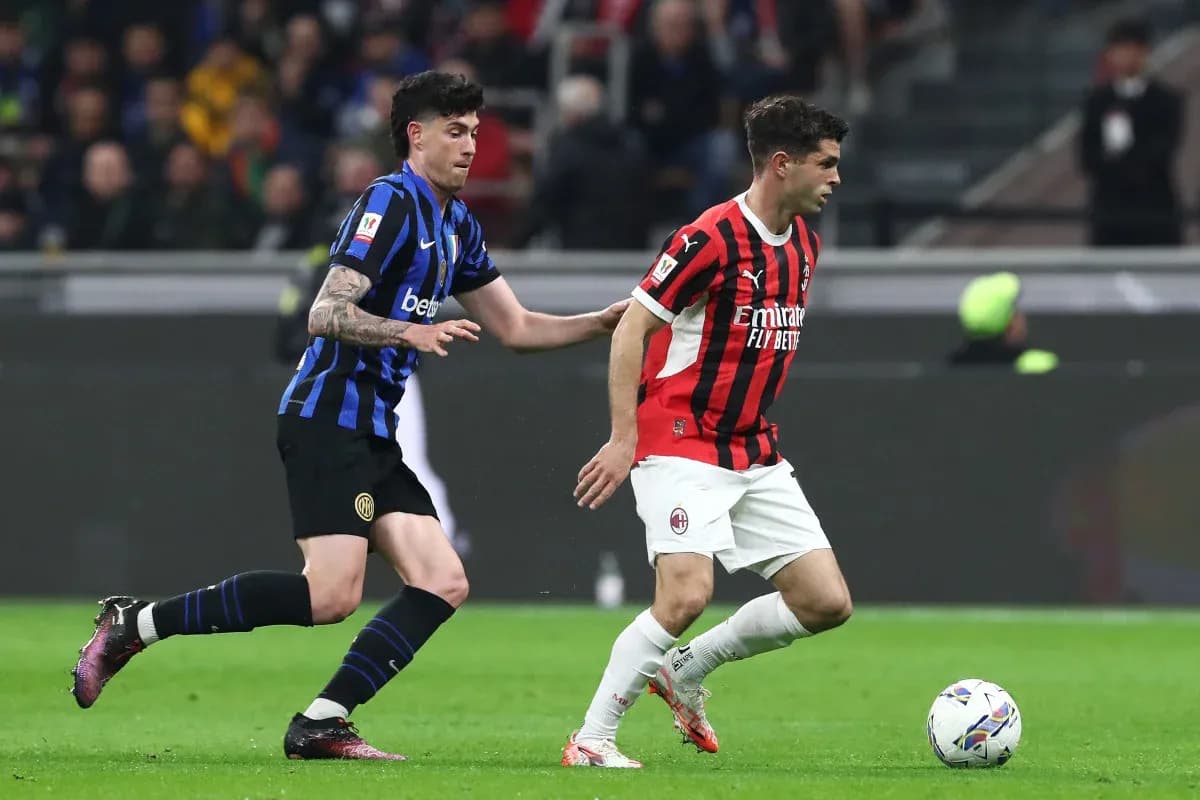
AC Milan Edges Inter in Tactical Derby della Madonnina
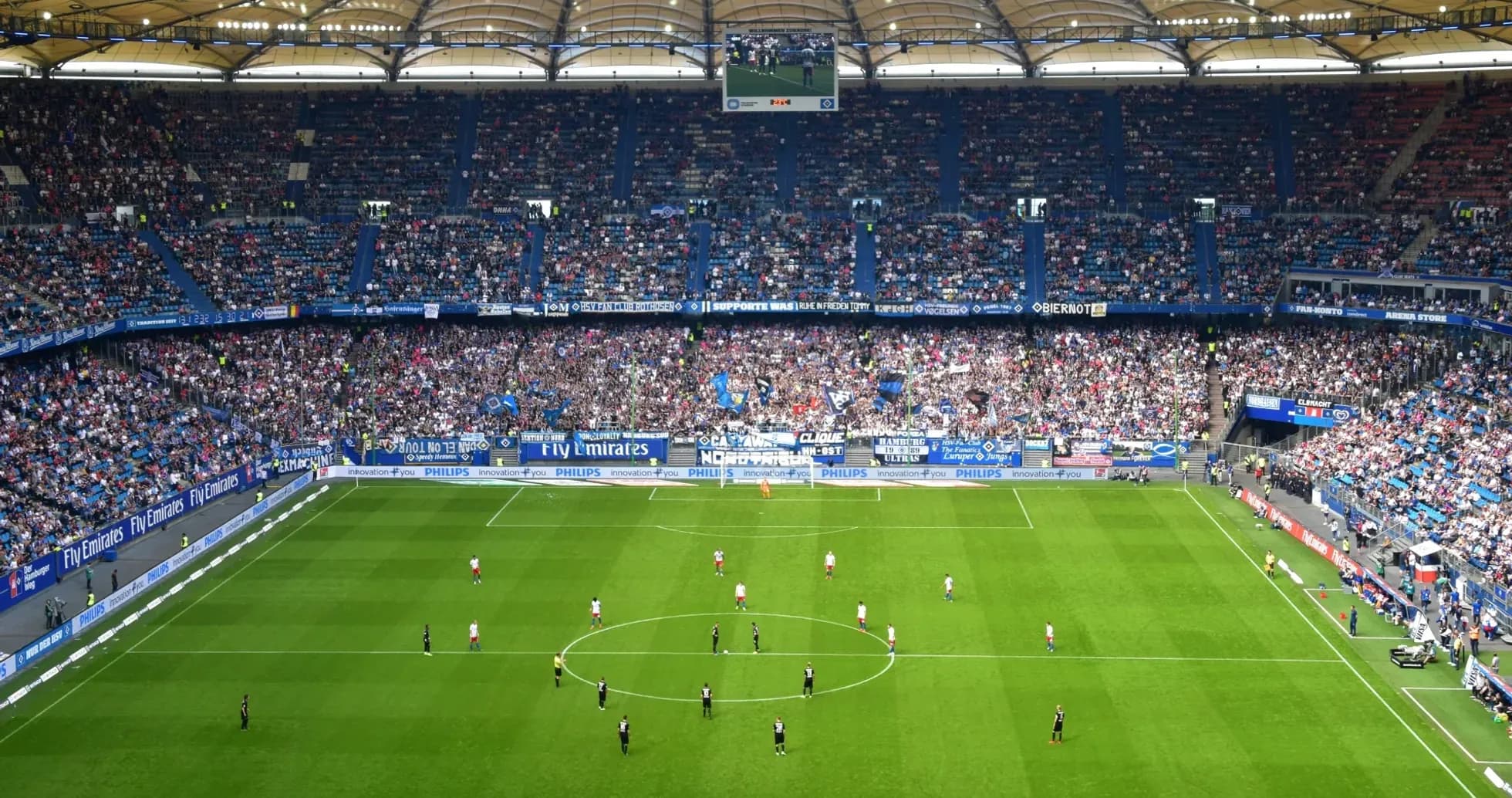
This was a top-of-the-table Derby della Madonnina in Serie A, with AC Milan (2nd, 60 points, +24 GD) edging league leaders Inter (1st, 67 points, +42 GD) 1–0 at Stadio Giuseppe Meazza. Both sides stayed faithful to their season-long 3-5-2 structures, and the match evolved into a high-level tactical chess game where Milan’s defensive discipline and transition efficiency decided it.
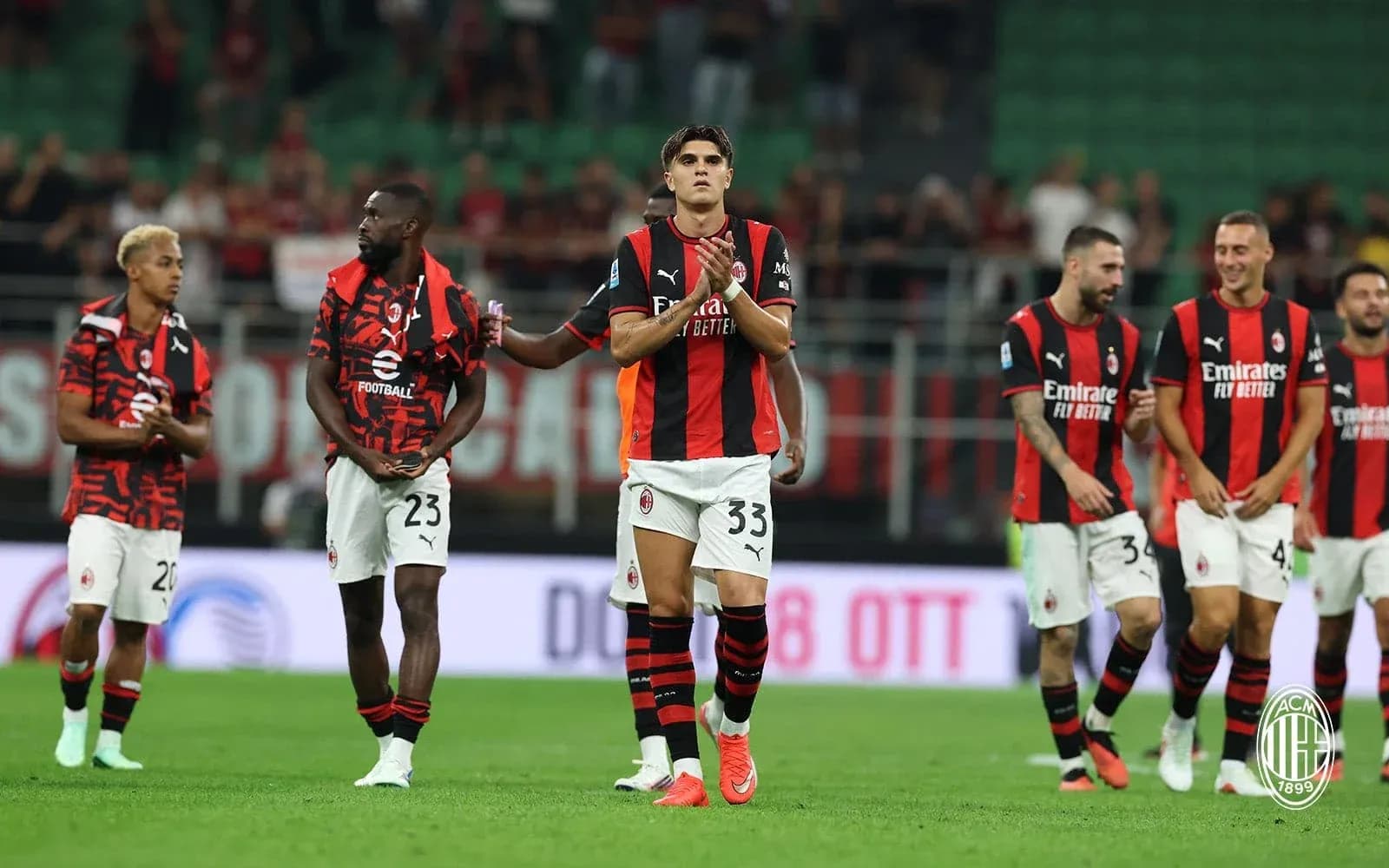
AC Milan squad performance (post-match review)
Massimiliano Allegri’s 3-5-2 again underlined why Milan have conceded only 20 league goals and kept 13 clean sheets this season. The back three of F. Tomori, K. De Winter and S. Pavlovic protected M. Maignan superbly, mirroring the season trend of just 0.7 goals against per game. Wing‑back P. Estupinan, whose campaign includes 1 goal, 1 assist and a red card, balanced aggression with more controlled decision-making here, crucial in wide duels against Inter’s wing threats.
In midfield, the blend of A. Rabiot, L. Modric, Y. Fofana and A. Saelemaekers gave Milan control at key phases. Rabiot, a high-impact all‑rounder with 4 goals, 4 assists, 38 tackles and 5 yellow cards this season, acted as the central reference in and out of possession, pressing Inter’s build-up and driving counters. Up front, Rafael Leao and C. Pulisic – both legitimate key players (Leao 9 goals, 2 assists; Pulisic 8 goals, 2 assists with a 7.08 rating) – were the difference in transition. Their pace and 1v1 quality stretched Inter’s back line, and the decisive goal was consistent with Milan’s season profile of 44 scored from a relatively modest 1.6 goals-per-game average: not volume-heavy, but highly efficient when ahead.
Milan also managed absences well. With M. Gabbia, S. Gimenez and R. Loftus-Cheek all missing, depth was tested, yet the core structure held, underlining Allegri’s reliance on the 3-5-2 (25 league uses).
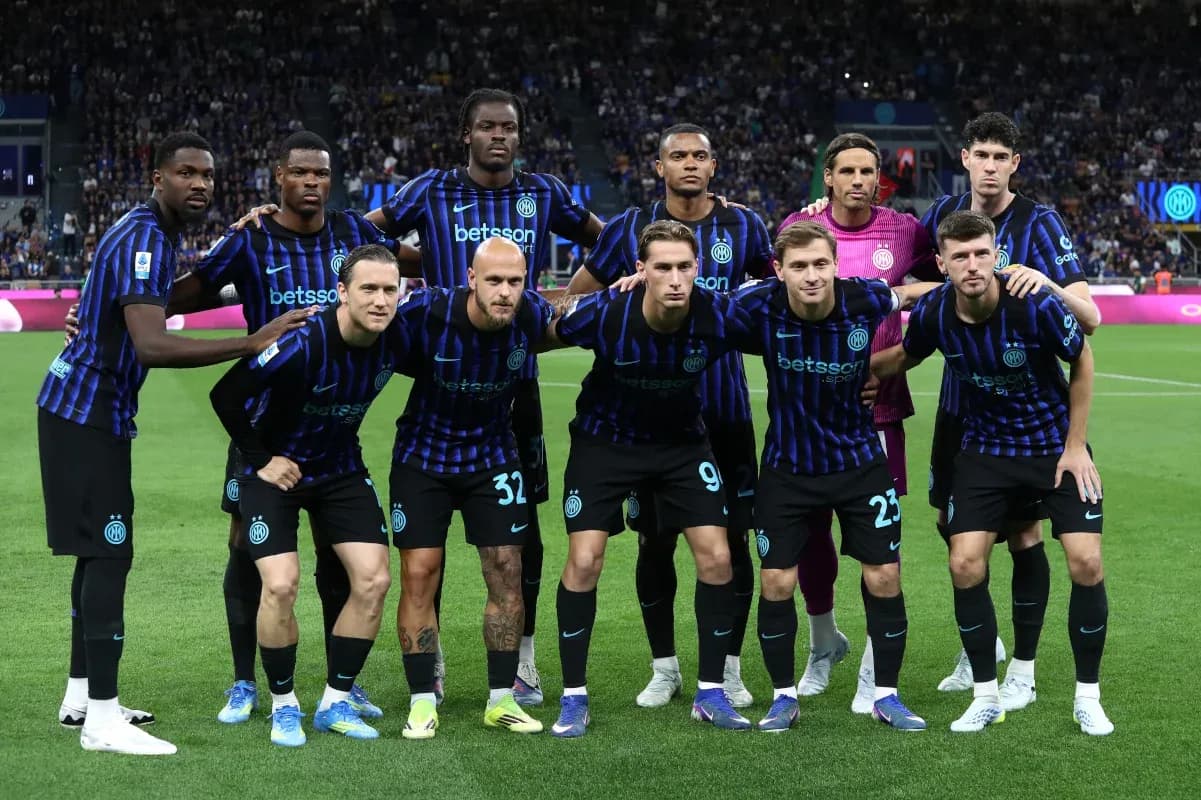
Inter squad performance (post-match review)
Cristian Chivu’s Inter arrived as the league’s most explosive attack (64 goals, 2.3 per game) and a strong defensive unit (22 conceded, 15 clean sheets), but were stifled. The back three of Y. Bisseck, M. Akanji and A. Bastoni generally held the line, yet struggled whenever Leao or Pulisic attacked the channels. Despite Inter’s season-long defensive edge over Milan in raw goals conceded (22 vs 20 is slightly worse), the structure usually protects Y. Sommer well; here, one lapse was punished.
In midfield, Inter’s usual creative spine – N. Barella, P. Zielinski, H. Mkhitaryan and F. Dimarco – could not consistently break Milan’s compact block. Dimarco, a genuine star this season with 6 goals, 13 assists and a 7.53 rating, still provided quality from the left but found fewer clear crossing situations. Barella, with 5 assists and 56 key passes, tried to quicken circulation, yet Milan’s central congestion blunted his influence.
Up front, the starting pair A. Bonny and F. Esposito lacked the penalty-box presence and all‑round threat of Lautaro Martínez (14 goals, 4 assists). With M. Thuram only questionable pre‑match and not starting, Inter’s usual strike partnership was disrupted, and it showed in their inability to convert territory into high‑value chances.
Key matchups
- Efficiency battle: Rafael Leao vs Inter’s defense Leao’s 9 league goals and 43 dribble attempts were pitted against an Inter unit that had allowed only 22 goals with 15 clean sheets. Milan’s winner underlined Leao’s ability to tilt games against even elite defenses, exploiting the half‑spaces between Bastoni and Dimarco.
- Creative vs disruptive: A. Rabiot vs H. Çalhanoglu Rabiot (4 assists, 38 tackles, 5 yellows) embodies Milan’s dual‑role midfielder, while Hakan Çalhanoglu combines 8 goals, 2 assists and 6 yellow cards as Inter’s deep playmaker and enforcer. Milan’s midfield screen limited Çalhanoglu’s progressive passing lanes, while Rabiot’s physicality and foul‑drawing (34 won) helped break Inter’s rhythm.
- The void: Lautaro/Thuram impact vs their replacements Inter’s season attacking core – Lautaro Martínez (14 goals, 4 assists) and Marcus Thuram (7 goals, 3 assists) – was not replicated by A. Bonny and F. Esposito, who lack comparable output in the data. That drop-off in proven end product was evident as Inter dominated phases but could not find an equaliser.
Verdict: statistical edges after the derby
Attack: Inter still hold the broader-season edge (64 goals to Milan’s 44), but in this fixture Milan’s elite efficiency and star forwards decided it.
Defense: Milan’s record of 20 conceded versus Inter’s 22, plus 13 clean sheets, was reflected in a composed, low-error display.
Discipline: Inter’s card profile is slightly calmer at team level, but Milan’s control in duels and game management on the night allowed them to close out a statement 1–0 win.