2026 FIFA World Cup Semifinals: Why France, Spain, England, or Argentina Could Win or Lose
The 2026 FIFA World Cup began with 48 teams, but now only four remain in the hunt for the championship. After careful evaluation of each semifinalist’s strengths and weaknesses, here’s a look at why France, Spain, England, or Argentina might lift the trophy—or fall short.
4. Argentina — Legacy Award
FIFA Rank: #1
Argentina cruised through the group stage with wins over Algeria, Austria, and Jordan. They edged past Cape Verde, Egypt, and Switzerland (after extra time) to reach the semifinals. Despite their progress, cracks are visible.
Midfield has been a concern; they lack the usual control and sometimes leave themselves vulnerable to counterattacks. Lionel Messi’s brilliance still shines and lifts the team, but his magic alone may not suffice against top-tier opponents. The squad’s aging athleticism and limited width raise doubts about their ability to overcome stronger sides.
"This team has depth and star power to beat anyone, yet recent performances leave questions about their stamina and consistency."
Why Argentina could win: Experience from recent tournaments and an unbreakable spirit make them hard to defeat. Messi’s influence goes beyond scoring—he inspires teammates to elevate their game.
Why Argentina might lose: Their form is inconsistent, especially in midfield. Fatigue and tactical limitations might lead to a semifinal exit despite their resilience.
3. England — Most Reliable Teammates
FIFA Rank: #4
England started strong, dismantling Croatia before showing grit to overcome Ghana, Panama, DR Congo, Mexico, and Norway. While mistakes have surfaced, the team's mental toughness remains undeniable.
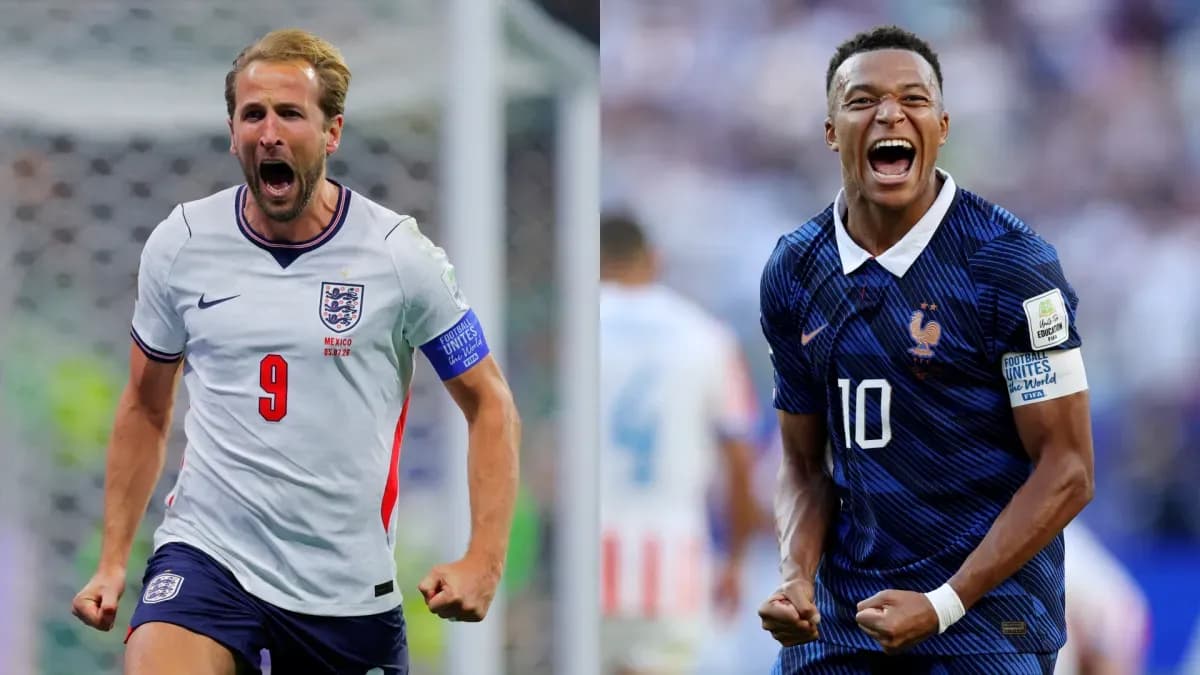
Coach Thomas Tuchel's lineup choices, including using Ezri Konsa at right-back, have sparked debate, but the squad keeps delivering. Injuries, particularly to Declan Rice, cast shadows over their campaign, yet key players like Jude Bellingham and Harry Kane keep the team competitive.
"Their refusal to quit, regardless of challenges, sets them apart in this tournament."
Why England might win: Depth in midfield and attack, combined with a resilient mentality, fuels their drive. Key players step up when it matters most.
Why England could fall short: Structural weak points, injury concerns, and limited options on the wings and full-back positions may be exploited by tougher opponents.
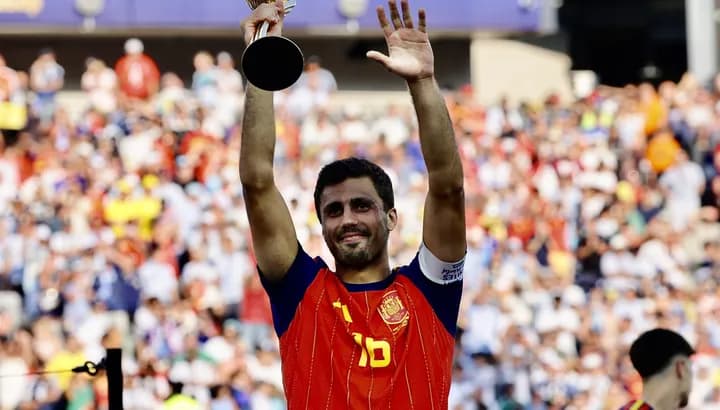
2. Spain — Best Structured Team
FIFA Rank: #3
Spain boasts a rock-solid defense, having kept six consecutive clean sheets—the first team to do so in World Cup history. Their attack hasn’t always fired on all cylinders, partly due to Lamine Yamal and Nico Williams not being fully fit.
The midfield pairing of Pedri and Rodri controls games well, and goalkeeper Unai Simon has been dependable. Luis de la Fuente prioritizes defensive discipline, which has helped Spain progress steadily.
"They combine tactical discipline with talent, making them tough to break down."
Why Spain could win: Few weaknesses and a highly organized approach make them formidable. Players fulfill roles precisely within the system.
Why Spain might lose: Without full fitness of key attackers, their offensive threat lessens. A shootout or facing high-powered offenses could expose their limits.
1. France — Most Likely to Succeed
FIFA Rank: #2
France remains the tournament's most talented squad, demonstrated through dominant group-stage wins and solid knockout performances. Kylian Mbappe leads a potent attack complemented by Ousmane Dembele, Michael Olise, Desire Doue, and Bradley Barcola.
Midfield depth is thin, with Aurelien Tchouameni carrying a heavy burden. Injuries could further weaken this area. Defensive partners William Saliba and Dayot Upamecano, plus wing-backs Lucas Digne and Jules Kounde, provide balance.
"Their attacking firepower, combined with strong defense, makes them favorites to win."
Why France will win: Multiple threats up front and a solid backline under an experienced coach create a winning formula. Mbappe’s brilliance is supported by teammates who complement each other well.
Why France might not: A stretched midfield may struggle to connect defense and attack. Injuries and limited backup options could hinder their ability to control matches.